Daadi Ki Shaadi (2026): Neetu Kapoor’s Grace Can’t Lift This Stretched Family Drama
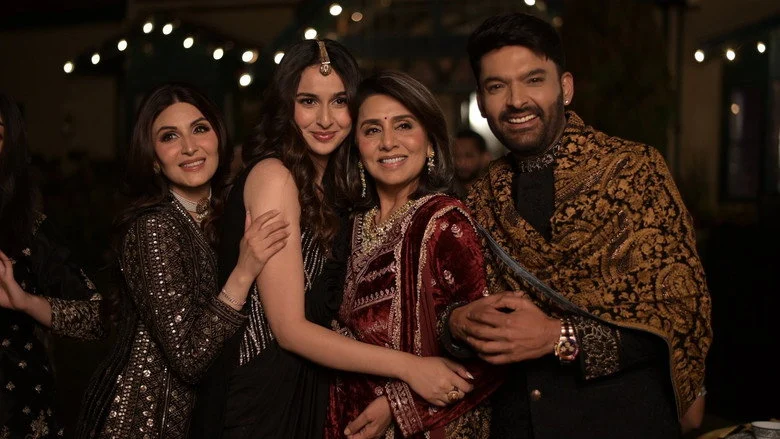
Vimla Ahuja’s accidental social media post about remarriage detonates inside a Shimla household like a quiet bomb, scattering three generations of unspoken resentments across the dining table. The premise lands with genuine comic promise, but what follows is a 150-minute struggle between a performer who understands restraint and a screenplay that refuses to practice it.
Neetu Kapoor’s scenes as Vimla carry the film’s emotional weight with the kind of controlled warmth that makes you wish the writing around her matched her discipline. She makes loneliness feel lived-in rather than performed, and her decision-making sequences register as the only moments where the film truly breathes.
Kapil Sharma’s Comic Energy Gets Buried Under Sermonizing
Kapil Sharma enters as Tony Kalra, supplying the comic-relief voltage the film desperately needs, but the screenplay keeps pulling him back into message-driven territory. His timing remains intact, yet the material gives him little room to build the kind of momentum his comedy requires.
The family confrontation sequence where hidden resentments surface shows what the film could have been, sharp, uncomfortable, and alive. Instead, the writing keeps explaining its themes instead of trusting the audience to feel them.
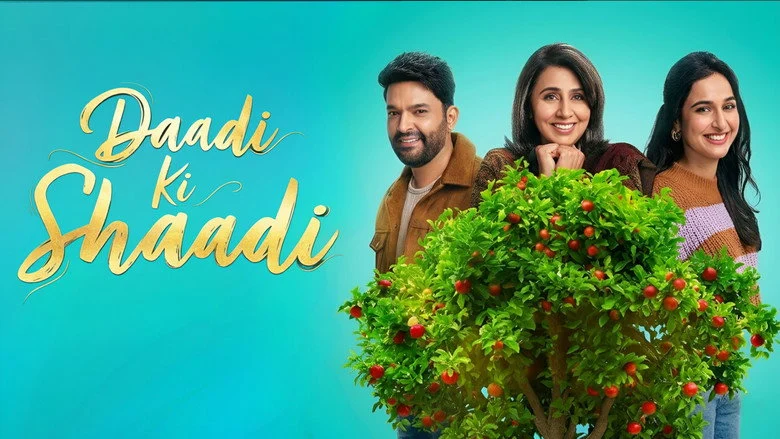
The Genre Core Wobbles Between Comedy and Preachiness
The viral remarriage announcement works as a genuinely clever inciting incident, using modern social media chaos to crack open a traditional family structure. It is the film’s most confident stretch, where the comedy and drama feed each other without tripping over tonal shifts.
But the middle section loses that balance, sliding into repetitive family arguments that critics described as overlong and sermonizing. The Indian Express gave it 2/5, while Hindustan Times landed at 2.5/5, both pointing at the same structural fatigue that sets in once the initial hook exhausts itself.
The emotional reconciliation passages attempt to pull everything back together, but by then the pacing has already drained most of the goodwill. The film’s core theme, that old age should not mean emotional invisibility, remains functional, yet it is delivered with the subtlety of a public service announcement rather than lived drama.
For more family-centric storytelling, browse our Hindi Drama reviews.
Supporting Cast Circles a Story That Keeps Shrinking
R. Sarathkumar appears in a key family role, lending the proceedings a gravity that the script rarely earns on its own. His presence signals the film’s ambition to feel substantial, even when the writing around him keeps flattening into familiar territory.
Sadia Khateeb and Riddhima Kapoor Sahni operate within the immediate family dynamic, both contributing to the generational friction that drives the conflict. Their roles remain ensemble-bound, with limited standout moments, but they help establish the domestic pressure cooker that the premise requires.
Tejaswini Kolhapure and the rest round out the family portrait competently, though the script gives them little to individualize. The collective resistance of the family functions as the film’s real antagonist, generational bias and emotional neglect proving more effective villains than any single character could be.
Box Office Reality and the Audience Verdict
Koimoi reported a first-week India net of 5.34 crore, with the film eventually closing at approximately 7.58 crore, a figure they described as roughly 40% recovery. The trade verdict landed on “Flop, ” and the numbers reflect a disconnect between the film’s family-friendly intentions and its actual theatrical pull.
Audience complaints mirror the critical consensus: the second half drags, the runtime feels excessive, and the preachiness wears thin. Yet Neetu Kapoor’s central performance remains the one element that consistently draws praise from both camps.
I found myself wishing the film had trusted its lead actress more and its dialogue less, Kapoor’s restraint deserved a screenplay with equal confidence in silence.
Final Recommendation
If you are a Neetu Kapoor completist, this is worth a streaming watch on a lazy afternoon, preferably with family members who enjoy debating generational dynamics. Everyone else can skip the theatrical experience and wait for the inevitable television premiere, where its TV-serial energy will feel less out of place.
Daadi Ki Shaadi earns a modest 2.5 out of 5, a film carried by its leading lady but sunk by a screenplay that confuses length with depth.
For another take on family dynamics, explore Krishnavataram Part review.
If you prefer sharper ensemble work, check out Licence verdict.
Daadi Ki Shaadi (2026): Neetu Kapoor’s Grace Can’t Lift This Stretched Family Drama
Visually captivating cinematography, stellar sound design, and commanding performances.
Slight pacing drag in the second act before the climactic resolution.