Dulhaniya Le Aaeegi (2026): A Warm Wedding Comedy That Stays in Safe Territory
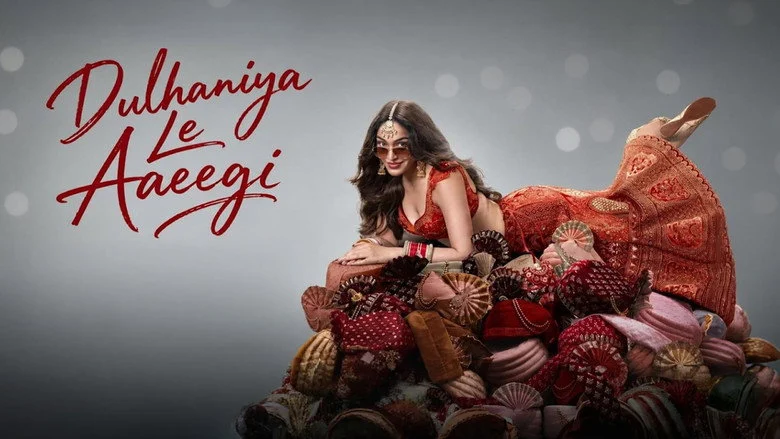
The most alive Dulhaniya Le Aaeegi ever gets is when several prospective grooms line up for Navya in a modern-day swayamvar setup, each one trying to out-charm the other. It is a genuinely funny premise that hints at the sharp, chaotic comedy this film could have been.
Director Akashaditya Lama stages the sequence with the right energy, but the film never matches that spark again.
Khushalii Kumar Anchors the Chaos With Quiet Resolve
Khushalii Kumar plays Navya, a 32-year-old woman caught between family pressure and her own sense of what marriage should mean. She carries the film’s emotional weight with an assured presence, particularly in the middle stretch when the wedding preparations begin to unravel around her.
Her best moment arrives in the climax when she refuses to let the ceremony collapse. Kumar sells the conviction in that scene, making Navya’s insistence that the marriage will take place no matter what feel like a genuine act of agency rather than mere stubbornness.
Warm Comedy With a Familiar Blueprint
The film’s primary comic engine is wedding confusion, and for the first hour, the setup works well enough. The tone stays warm and family-friendly, never turning mean-spirited even when the situation spirals into farce. This is the kind of comedy that grandparents and teenagers can watch together without anyone wincing.
But the middle section reveals the structural weakness. The chaos becomes repetitive, with conflict beats that circle back to the same jokes and misunderstandings. Several reviews noted the predictability, and the pacing here feels uneven against the film’s 127-minute runtime.
The screenplay by Jayant Gupta leans heavily on familiar tropes from Hindi wedding comedies. The social message, that marriage is a personal choice, not a social deadline, is clear and relevant, but the delivery lacks the sharpness that would have made it land with more force. The film is a “simple कोशिश, ” as one review put it, and that simplicity cuts both ways.
Devi Prasad’s Authority and the Supporting Ensemble
Mahesh Manjrekar brings his usual gravitas to Devi Prasad, the powerful father whose authority shapes the entire wedding conflict. He represents the family pressure that Navya must push against, and Manjrekar makes that opposition feel human rather than villainous. His presence gives the film a weight that the lighter scenes sometimes lack.
Piyush Mishra appears in a supporting role, though the sources do not specify his character. His casting alone signals a certain pedigree, and his inclusion in the ensemble suggests the film wanted seasoned performers to ground its comic flights. Omkar Kapoor functions as part of the suitor-driven dynamic, contributing to the chaos without ever dominating it.
Snehil Dixit Mehra’s BC Aunty is the kind of character that family comedies need, someone who delivers both comic beats and social commentary in the same breath. She adds texture to the ensemble, even if the role doesn’t give her room to fully expand.
A Familiar Formula With a Modest Box Office Story
There is no political controversy or censorship battle attached to this film. The conversation around Dulhaniya Le Aaeegi is purely about its craft, and that conversation has been muted. The average critic rating sits at 3.0 across multiple Indian review outlets, with the most consistent praise going to the warm tone and the most consistent criticism aimed at the lack of freshness.
The box office tells a harsher story. Bollywood Hungama reported an opening day of just ₹0.06 crore net in India, with a first-week total of ₹0.243 crore. The lifetime collection of ₹0.288 crore is remarkably low, and the trade verdict has been declared a flop. For a film that positions itself as accessible family entertainment, the theatrical response suggests audiences found little reason to leave home.
What the Critics Saw, What They Missed
The reviews were neither damning nor enthusiastic. “A Feel-Good Wedding Drama That Lacks Freshness” was one headline, while another called it “a heartwarming wedding comedy.” Both assessments are fair. The film does maintain a pleasant surface, but it never digs beneath that surface to find anything surprising.
I found myself wishing the screenplay had trusted its female lead more. The moments where Navya’s agency drives the plot are the film’s best, but they are too often interrupted by repetitive chaos that doesn’t add new comic dimension.
For viewers seeking more Hindi comedy and drama coverage, Hindi Drama reviews offer a wider range of wedding-themed and family entertainers worth comparing against this one.
The Final Verdict on Dulhaniya Le Aaeegi
Dulhaniya Le Aaeegi is best suited for family audiences who want a light, socially conscious wedding drama without any edge. It is not a film for viewers expecting sharp comedy or narrative surprises, and its repetitive middle stretch will test the patience of even well-disposed viewers.
Watch it on OTT on a lazy afternoon when you want something undemanding playing in the background. The theatrical experience, given the box office response, offers no added value.
For a similar tone but a tighter execution, Karavali review shows how regional cinema handles familiar tropes with more local flavour and less formula fatigue.
Dulhaniya Le Aaeegi is a sincere but unadventurous wedding comedy that earns a middling 2.5 out of 5 for its warm intentions and Khushalii Kumar’s steady lead performance, though its predictable screenplay and flat pacing keep it from being a must-watch.
Those who prefer their dramas with a tighter, more legacy-driven edge might find Sweet Rogue verdict a more rewarding use of time.
Dulhaniya Le Aaeegi (2026): A Warm Wedding Comedy That Stays in Safe Territory
Visually captivating cinematography, stellar sound design, and commanding performances.
Slight pacing drag in the second act before the climactic resolution.