Midterm Elections 2026: Networks Confront Brutal Trump and Economy Polling
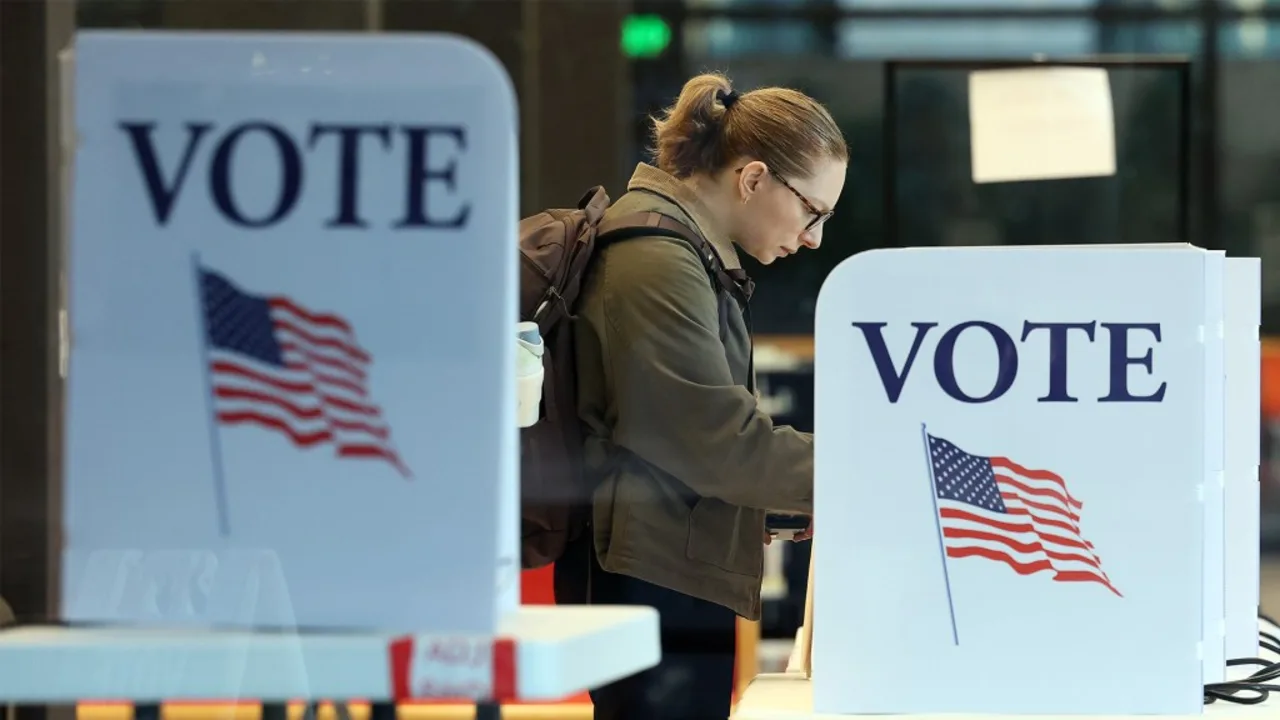
- The Scoop: Election-night coverage began at 6 p.m. ET as polls closed in parts of Kentucky and Indiana, with broadcasters dissecting the first exit-poll tranche of the 2026 midterms.
- The Numbers: Preliminary electorate data puts Donald Trump at 38% approval against 62% disapproval, with the economy ranking as voters’ top concern at 39%.
- The On-Air Muscle: CNN fielded Jim Acosta, Katie Couric and Chris Cillizza, while NBC leaned on data specialist Steve Kornacki to translate the first wave of returns.
American broadcasters opened their 2026 midterm coverage at 6 p.m. ET as polls shuttered across parts of Kentucky and Indiana, and the first cut of electorate data landed hard on the desk.
The preliminary polling paints a punishing picture for Donald Trump, with approval sitting at 38% against 62% disapproval and the economy topping voter concerns at 39%.
Election Night As Live Television: Why the First Poll Drop Sets the Broadcast Tempo
Networks treated the opening poll tranche as the night’s real curtain-raiser, building programming blocks around data rather than spectacle. The result is a genre of live television where the graphics package and the analyst desk carry the same weight as any scripted premiere.
CNN deployed Jim Acosta, Katie Couric and Chris Cillizza across its coverage, a lineup built to balance breaking-news reflexes with long-form political fluency. NBC countered with Steve Kornacki, whose board-side arithmetic has become the network’s signature visual asset on election nights.
That roster construction mirrors how news divisions now cast their marquee nights: recognizable faces for channel-flippers, specialists for the audience that stays through the county-by-county crawl. The first poll of the electorate effectively functions as the evening’s cold open, and the read on Trump and the economy gave every panel a ready-made spine.
For the newsroom operators, the calculus is straightforward. Election night is one of the few remaining live events that commands appointment viewing across every demographic, and the polling numbers handed producers a narrative with built-in tension from the first minute.
The Economy as the Night’s Dominant Storyline, and the Ad Market Behind It
The 39% top-issue figure on the economy does more than frame the panel discussion; it dictates which graphics get built and which correspondents get dispatched to county-level economic data.
Political coverage of this kind is now tracked alongside the rest of the industry’s output across our trade entertainment wire desk, where live-event programming competes for the same advertiser dollars as scripted slates.
A 62% disapproval reading against a 38% approval floor gives every network a consistent, quotable headline to push across digital and social through the night. Producers can repackage the same polling spread into chyrons, explainer segments and post-midnight wrap-ups without re-reporting the underlying data.
That efficiency matters because election coverage is expensive live television: satellite trucks, county-level data feeds and hours of unfilled airtime all carry fixed costs regardless of how the night breaks.
The commercial upside arrives in the form of sustained audience retention across a four-to-six-hour block, which is precisely the inventory pattern advertisers pay a premium for. The polling spread on Trump and the economy simply gives the broadcast a villain, a thesis and a reason for viewers to stay past the first commercial break.
By the time the Kentucky and Indiana numbers stabilized, the night’s editorial spine was already locked: an unhappy electorate, a dominant economic anxiety, and a broadcast machine built to keep translating both in real time.