‘The Violinist’ Composer Ricky Ho Spent Two Months on Four Notes
- The Scoop: Composer Ricky Ho devoted two months to refining the first four notes of “Sunset Sonata,” the recurring centerpiece of the animated feature The Violinist.
- Festival Hardware: The Singapore-Spain-Italy co-production won the Cristal for best feature and the SACEM Award for best original soundtrack at Annecy 2026.
- Release Footprint: Singapore opens the film on September 17, 2026, with Spain following on November 13, 2026.
- Creative Brain Trust: Ervin Han and Raúl García co-direct; Ho shares scoring duties with Isabel Latorre, who handled the war and action passages.
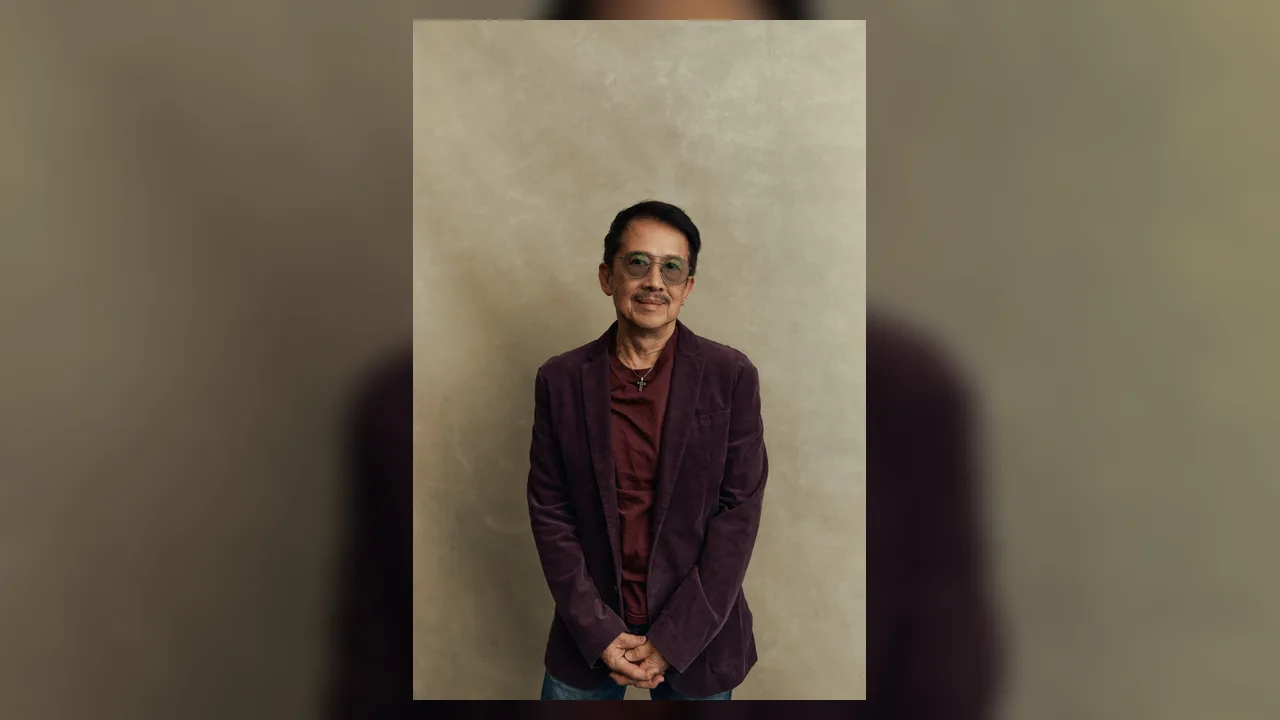
Composer Ricky Ho spent two months writing and rewriting the first four notes of “Sunset Sonata,” the melodic spine of the animated feature The Violinist, he revealed during the Contenders L.A. panel.
The admission lands as a rare window into how an original score becomes a film’s narrative engine rather than its decoration.
“Maybe the first two months I write, put aside, take it back, change some notes. In the end, I find these four notes are the perfect notes for the film.”, Ricky Ho, composer
Four Notes, Eight Decades: Scoring a Melody That Ages With Its Characters
“Sunset Sonata” is no background cue. The melody travels with Fei and Kai across roughly eighty years of Singaporean history, its identity shifting as the Japanese occupation tears their lives apart.
Ho built the sonata and character leitmotifs; Isabel Latorre took the war sequences and action passages. That division of labor keeps the romance intimate while the historical canvas stays loud.
Co-director Raúl García described a production loop between picture and score, with characters visibly writing the sonata’s notes on screen. The music had to exist before the animation could.
“There are scenes where characters write the notes of the sonata.”, Raúl García, co-director
Ho’s résumé gives the patience its pedigree: the Golden Horse winner scored A Chinese Ghost Story and The Legend of Zu before this. Craft at that level is measured in discarded drafts, not drafts delivered.
Annecy Cristal Turns a Co-Production Into a Distribution Asset
The film’s commercial standing was set at Annecy in June 2026, where it took the Cristal for best feature and the SACEM Award for best original soundtrack.
Those two trophies do distinct work: the Cristal certifies the film to arthouse programmers, while the SACEM prize hands distributors a music-forward marketing hook no franchise sequel can claim.
Produced by Robot Playground Media, TV ON Producciones and Altri Occhi, the title carries a Singapore-Spain-Italy structure that spreads financing across three territories and three audiences.
The voice roster (Tan Kheng Hua, Ayden Sng, Fang Rong, Adrian Pang, Kazuya Tanabe and Enrique Arce) is built for regional recognition rather than Hollywood marquee pull, tracked across our trade entertainment wire desk.
Two Opening Dates, One Test: Can an Original Toon Travel?
Singapore’s September 17, 2026 launch is the home-market referendum; Spain’s November 13, 2026 date tests whether the Cristal converts European arthouse traffic into ticket sales.
Neither window leans on a holiday corridor. The rollout is being run as a prestige platform play, sequenced territory by territory rather than blasted wide on a single weekend.
That is the economics of original animation in 2026: no built-in IP, no merchandising safety net, just festival hardware and a score strong enough to sell the trailer.
Every additional week Ho spent on four notes is an investment in the film’s only repeatable asset, a melody that must survive eighty years of story and, distributors hope, several quarters of theatrical rollout, a bet distinct from the franchise math behind the industry’s sequel-driven expansion.
If “Sunset Sonata” lodges in audiences the way it lodged in its composer, the film’s awards run and its box-office run stop being separate campaigns.