DramaWave Writers Unionize With WGA West in First Microdrama Studio Deal
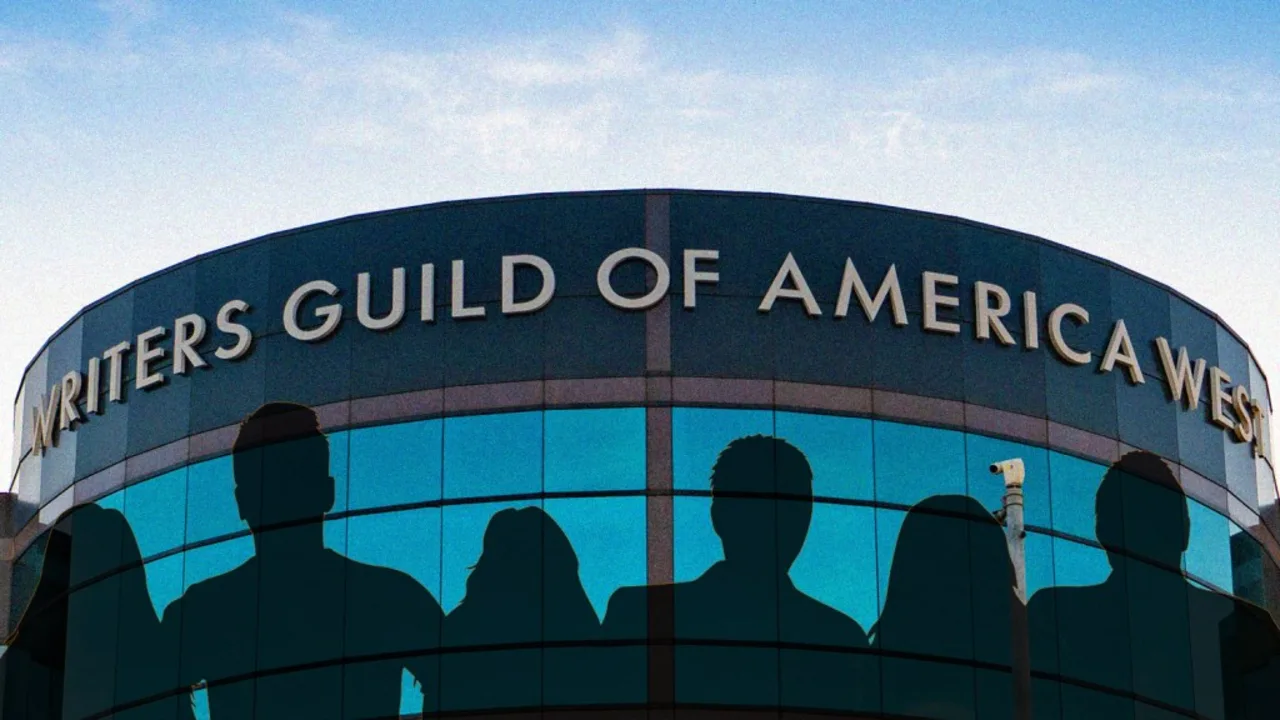
- The Scoop: All 27 full-time DramaWave staff writers are now WGA West-represented after a card check closed on November 16, 2026.
- Organizing Timeline: Talks launched in July 2026, a recognition letter landed October 28, and DramaWave voluntarily recognized the unit pending verification.
- Bargaining Agenda: Compensation, benefits, job security, fair crediting, and guardrails on artificial intelligence use in writing top the contract docket.
- Industry Stakes: It is the first full-time writing staff at a microdrama studio to join the guild, setting a template for vertical production shops.
Twenty-seven full-time DramaWave writers are now represented by WGA West, closing a card check on November 16, 2026, and becoming the first microdrama studio writing staff to unionize.
The guild announced the certification on November 17, roughly three weeks after the staff delivered its recognition letter on October 28. DramaWave voluntarily recognized the unit pending verification rather than contesting the vote.
Inside the Organizing Drive That Forced a Fast Voluntary Recognition
The campaign opened in July 2026, when DramaWave scribes began assembling the majority showing that ultimately drained the drama from a potential recognition fight. Management chose to sign off quickly once the numbers were clear.
“DramaWave did the right thing by quickly recognizing the union and we look forward to negotiating a fair contract,” the guild said in its statement confirming the certification.
The bargaining agenda is substantive: compensation, benefits, job security, fair crediting, and protections governing the use of artificial intelligence in writing. Those five items define how vertical shops will be judged by talent going forward.
No date has been set for the first bargaining session, leaving the actual contract terms as the next pressure point across the trade news desk.
Three-Minute Episodes, Full-Size Demands: Why Vertical Writers Organized
DramaWave’s output is built on sub-three-minute vertical episodes, a format engineered for mobile retention and rapid output. That production model has historically kept budgets lean and writing staffs small.
The 27 writers represent the studio’s entire full-time writing workforce, which means the unit covers the creative engine behind the app rather than a token slice of it. That breadth gave the drive its leverage.
WGA West president Michele Mulroney framed the certification as a structural claim on a fast-growing format. “Microdramas are a growing part of the entertainment industry and it’s critical that these writing jobs be union jobs,” she said.
She added that the app’s creative standing is inseparable from its writers. “DramaWave is a top microdrama app because its writers tell stories that captivate audiences worldwide. We are proud to welcome them into our union.”
The Guild’s Microdrama Beachhead and the Cost Math That Follows
Microdrama production is expanding fast while most vertical-series budgets remain a fraction of conventional television and film spending. Union scale on writing will pressure those margins directly.
For DramaWave, the recognition buys labor peace and a reputational edge in recruiting writers who might otherwise avoid the format entirely. For rivals, it sets a benchmark they will be measured against.
The guild’s win also extends its reach into a corner of the business that grew up largely outside its contracts, echoing how talent campaigns have reshaped other fast-scaling production sectors tracked in our expanding action franchise coverage.
The real test arrives at the bargaining table, where A.I. language and credit standards could add per-episode costs across a high-volume slate. Every week without a contract keeps those numbers open, and every rival studio is watching what the first microdrama deal actually costs.