Michael (2026): Jaafar Jackson s lifts key stretches, not the full runtime
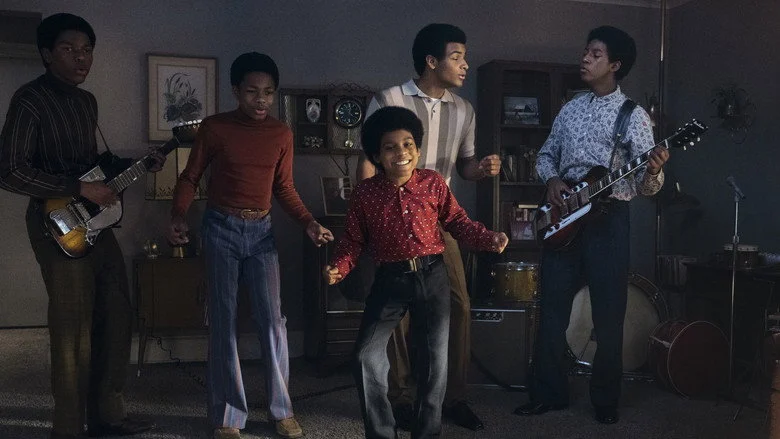
The Motown-era sequences land first, and for a moment, Michael feels like it might crack the code, young Michael Jackson’s voice cutting through the studio static, the Jackson 5’s choreography snapping into place with a precision that feels almost archival. But Antoine Fuqua’s 127-minute biopic, written by John Logan, is a film caught between reverence and revelation, and it never quite decides which one it wants to be.
This is a watch for fans and a cautious skip for anyone hoping for the definitive, unflinching portrait of the King of Pop. The film’s ambition is enormous, but its execution is a series of well-staged highlights strung together by a screenplay that prefers broad strokes over sharp analysis.
Jaafar Jackson’s Resemblance Is the Film’s Anchor, But Not Its Soul
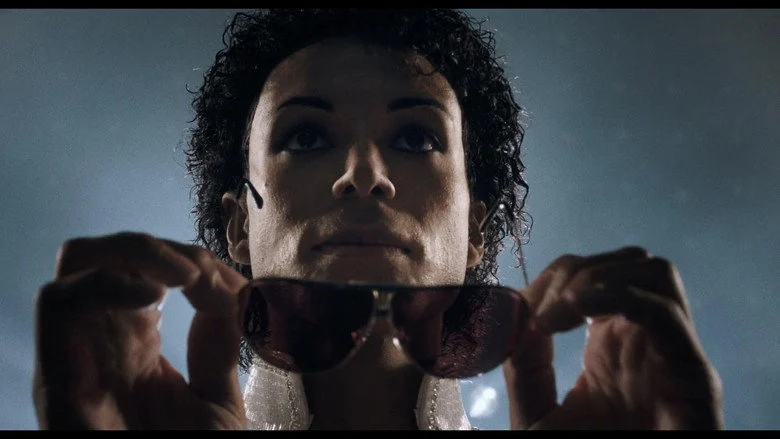
There’s no way around it: Jaafar Jackson looks uncannily like his uncle. The physical resemblance is so striking that it carries the film through its weaker stretches. His performance in the stage sequences is where the movie earns its keep, capturing the explosive energy and the precise, almost robotic movement that defined Michael’s live shows.
But when the music stops, the film asks him to carry the weight of a man retreating from the world, and here, the performance thins out. The script gives him little interiority to play, leaving Jaafar to rely on mannerisms rather than a fully realized character. He’s a fantastic impersonator; the film just never lets him become a fully rounded actor.
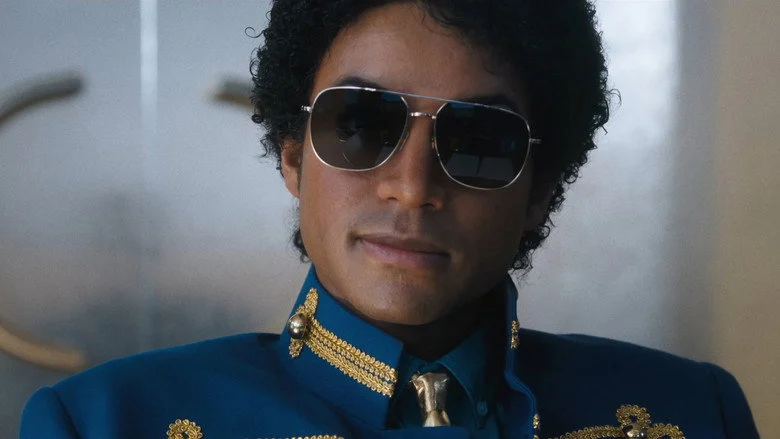
Fuqua’s Direction Finds Spectacle, But Logan’s Screenplay Loses the Man
Fuqua knows how to stage a scene. The period recreation is meticulous, from the glittering concert halls to the cramped recording studios, and he shoots the performance numbers with a kinetic energy that respects the material. The problem is pacing, the early Jackson 5 years are rushed through so quickly that the family’s rise feels inevitable rather than hard-won.
John Logan’s script is the bigger issue. It hits every expected beat, the Motown transition, the solo breakthrough, the pressure of fame, but it never digs deeper than the surface of the tabloid headlines. The film’s linear structure is safe, but it sacrifices the messy, contradictory humanity that made Jackson so fascinating.
The Genre-Core Problem: A Biopic That Fears Its Own Subject
As a biographical drama, Michael struggles with its central paradox: it wants to celebrate the artist while tiptoeing around the man. The career milestones are all present, but they’re stitched together like a highlight reel rather than a coherent story. The film uses stage performance as its primary narrative device, which works beautifully in isolation but fails to connect the dots between the public icon and the private individual.
The musical sequences are the film’s saving grace. The recreation of the Jackson 5’s first tours and the early solo-era material have a visceral, almost documentary-like quality that makes you understand why the world fell for him. Yet even these moments are undercut by the film’s refusal to linger. Just as a performance builds momentum, the edit cuts away to the next plot point, leaving you with a sense of what could have been.
The film’s greatest flaw is its fear of judgment. It presents Joe Jackson as a pressure figure rather than a villain, and while that’s a defensible choice, it robs the drama of its central conflict. Without a clear antagonist, external or internal, the narrative drifts, becoming a series of “and then” moments rather than a story with stakes.
Colman Domingo and the Supporting Cast Carry the Family Drama
Colman Domingo is the film’s quiet weapon as Joe Jackson. He brings a coiled intensity to the patriarch, suggesting the ambition and the cruelty without ever tipping into caricature. His scenes with young Michael, played with wide-eyed earnestness by Juliano Krue Valdi, are the film’s most emotionally resonant, hinting at the complicated love that fueled the family’s success.
Nia Long’s Katherine Jackson is underwritten but dignified, serving as the moral counterweight to Joe’s relentless drive. Miles Teller, as lawyer John Branca, is serviceable but largely functional, representing the industry machinery that would eventually consume the artist. None of these performances are bad; they’re just all waiting for a script that’s willing to give them more to do.
The Audience Divide: Fans Embrace the Spectacle, Critics Want More
The film’s Rotten Tomatoes score of 4.9/10 tells a clear story: critics have found the screenplay broad and the pacing uneven. Audience praise, however, has centered almost entirely on Jaafar Jackson’s casting and the stage recreation, suggesting that the film’s appeal is deeply tied to nostalgia rather than narrative craft. This is a film that will play best for those who came to hear the hits, not those looking for a deep dive into a complicated legacy.
The absence of any real controversy in the coverage is itself telling, a Michael Jackson biopic that doesn’t spark debate feels like it’s avoiding the hard questions. The film’s choice to stay in the safe lane of career milestones means it never risks alienating the fanbase, but it also never earns the right to be called essential viewing.
For those who want to revisit the magic of the Jackson 5 and the early solo years, there’s genuine pleasure to be found here. But as a piece of cinema, Michael is a polished, respectful, and ultimately shallow tribute. If you’re a fan, you’ll enjoy the concert sequences; if you’re looking for a film that grapples with its subject, you’ll leave wanting. Watch it on a regular screen, and go in with tempered expectations.
Michael is a handsomely mounted tribute that never risks an opinion, and for a subject this complex, that’s a missed opportunity, a generous 2.5 out of 5.
For more on this year’s biggest releases, browse our English Drama reviews.
If this left you wanting more from the Jackson family saga, consider how Drishyam review builds a different kind of family pressure.
And for another film that struggles with its own ambitions, check out how System verdict handles its uneven narrative.
Michael (2026): Jaafar Jackson s lifts key stretches, not the full runtime
Visually captivating cinematography, stellar sound design, and commanding performances.
Slight pacing drag in the second act before the climactic resolution.