Songs of the Djinns (2026): Roman Mikhailov s gives the film energy despite weak payoffs
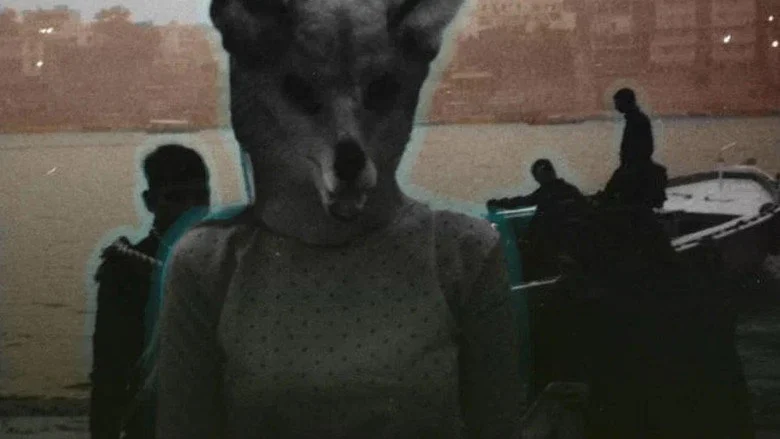
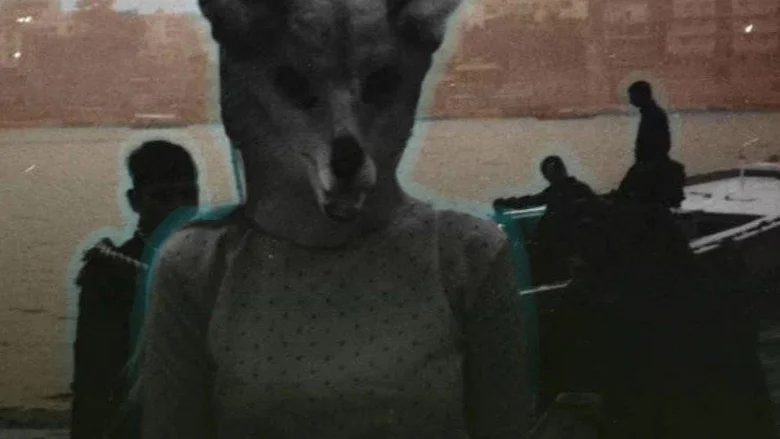
A ship drifts along a quiet river while listeners on the shore, bats, magicians, DJs, lean in for stories. That image, late in this 93-minute Russian-Indian co-production, is the clearest statement of intent Mikhailov makes all film.
Before that, we wander Varanasi’s streets on New Year’s Eve with two actresses, then cut to Goa’s festival prep with pop-star staging. The connective tissue is deliberately frayed, and that is both the film’s boldest gambit and its most frustrating hurdle.
Vyom Yadav and Manasvi Mamgai Anchor a Ghostly Ensemble
Yadav carries the Indian thread with a quiet, watchful presence that suits the film’s meditative drift. His scenes in Varanasi suggest a performer comfortable with ambiguity, though the script gives him little conventional motivation to play against.
Mamgai brings a grounded gravity to her role, particularly in the Goa segments where the film’s musical ambitions peak. She holds the screen during the festival preparations, making the pop-star staging feel less like spectacle and more like ritual, which is clearly what Mikhailov intends.
Victoria Miroshnichenko and Anastasia Neginskaya round out the principals with the same restrained register, though neither gets a moment that fully breaks the film’s hypnotic surface. Their casting signals a deliberate choice: this is ensemble-as-chorus, not star-driven drama.
The Genre-Core Execution: Drama as Parable, Music as Incantation
Mikhailov structures the drama as four parable-like segments, each orbiting the themes of disconnection and the illusion of death. The non-linear, episodic screenplay refuses conventional arcs, which means the emotional payoff is cumulative rather than immediate. Viewers expecting procedural clarity will find the opacity punishing.
Musically, the film is described as a fairy tale about searching, “They need to hear the singing of the genies, ” goes one line, but the songs themselves remain unnamed in available material. What registers is the tonal ambition: music functions as a bridge between the sacred streets of Varanasi and the bright festival chaos of Goa, not as a set of standalone numbers.
The river-ship sequence is the film’s strongest craft decision. The image of characters telling stories while shore-bound listeners include bats and DJs is genuinely strange and memorable. It is also the moment where the mythic structure snaps into focus, even if the preceding fragmentation makes that arrival feel earned rather than sudden.
Supporting Cast: Signals of Intent Without Scene-Level Detail
Vladimir Trushnikov and Artem Kisakov appear among the core cast, though no specific beats are documented from the available research. Their presence, alongside Disha Thakur and Rajat Suhidja in support, reinforces the film’s cross-cultural casting strategy, a Russian-Indian hybrid that mirrors the geographic split in the narrative.
Yulia Volkova and Svetlana Bondarchuk add further texture to the ensemble. The lack of scene-specific analysis suggests their roles are functional within the allegory rather than showy, which fits a film more concerned with collective storytelling than individual showcase.
Audience Reception: A Polarizing Puzzle for the Patient
There is no controversy attached to this film, no censorship battles, no political firestorm. The debate is purely aesthetic. Early audience sentiment praises the visual atmosphere and folktale structure, while complaints centre on the scattered story and hard-to-decode symbolism. The 18+ certificate and experimental bent make clear this is aimed at a niche, not a mass audience.
The film’s first half is likely slower and more exploratory, introducing threads that only converge once the ship journey begins. That pacing gamble will lose some viewers in the murk before the mythic payoff arrives.
For those who like their cinema to resist easy reading, this is a rare artifact; for everyone else, it may feel like homework with a soundtrack. I found the river sequence haunting enough to justify the slog, though I cannot pretend the journey is smooth.
If you are drawn to allegorical travel narratives, you might also enjoy browsing more Hindi Drama reviews on the site.
For a film this committed to abstraction, the best format is OTT, where the pause button lets you sit with its strangeness. It is not a film to catch cold in a theatre; it is one to let settle at your own pace.
Songs of the Djinns is a demanding watch that rewards the patient with genuine atmosphere, a 2.5/5 for its vision, docked for the opacity that keeps its own story at arm’s length.
The film’s mythic river journey shares a contemplative, fragmented structure with Ginny Wedss review, though that sequel trades this film’s abstraction for a more conventional comedy register.
For another genre experiment that leans on atmosphere over plot, Rosie verdict offers a similar puzzle-box approach with a more accessible horror frame.
Songs of the Djinns (2026): Roman Mikhailov s gives the film energy despite weak payoffs
Visually captivating cinematography, stellar sound design, and commanding performances.
Slight pacing drag in the second act before the climactic resolution.