Ginny Wedss Sunny 2 (2026): A Predictable Sequel That Fails to Spark
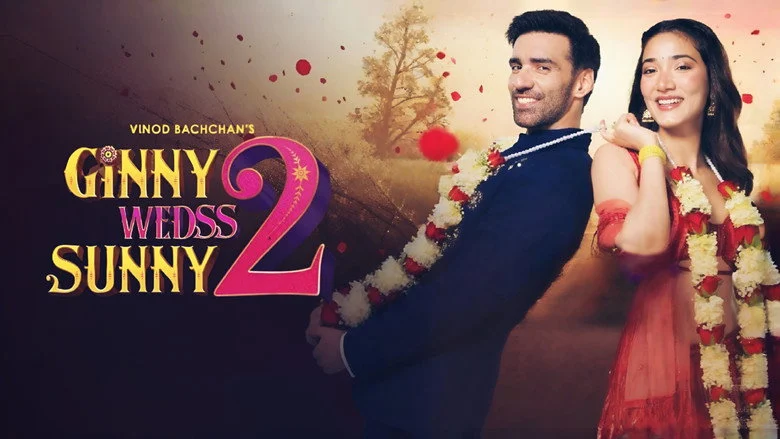
The opening frames of Ginny Weds Sunny 2 promise a wedding-season romp, but the film never quite finds its footing. Within minutes, you sense the familiarity, the same family dynamics, the same will-they-won’t-they tension, the same predictable beats that defined its 2020 predecessor.
This is a sequel that feels less like a continuation and more like a contractual obligation, and the empty halls on release day suggest audiences sensed it too.
Avinash Tiwary Deserves Better Material Than This
Tiwary returns as Sunny/Shivansh, bringing his trademark earnestness to a role that gives him little to work with. He delivers the romantic-lead requirements competently, but there’s a visible strain in his performance, a sense that he knows the script isn’t matching his capabilities.
His chemistry with Medha Shankr’s Ginny exists on paper, but the screenplay never gives them a moment that feels genuinely earned. The comedy lands with the thud of a rehearsed routine rather than spontaneous wit.
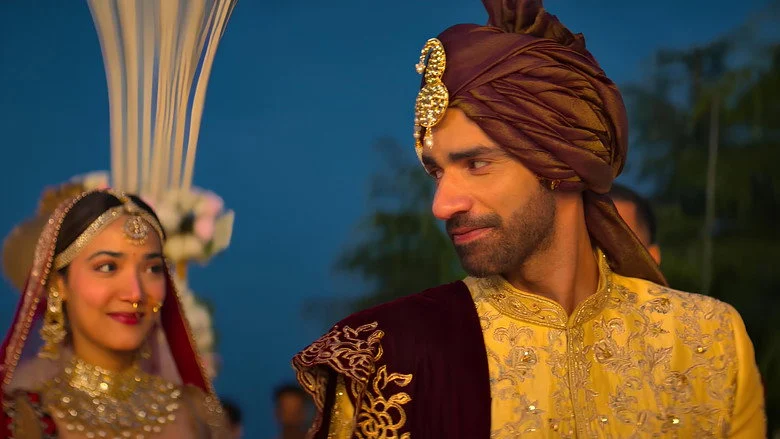
Direction and Screenplay: A Study in Predictability
Prasshant Jha directs with a television-sitcom sensibility, flattening what could have been warm family comedy into something mechanical. The one strength visible here is his handling of the ensemble, he knows how to keep ten actors occupied in a frame without chaos.
The flaw is structural: the screenplay follows the first film’s template so closely that every twist feels pre-announced. There’s no risk-taking, no attempt to subvert the rom-com grammar, just a safe retread that mistakes familiarity for comfort.
Genre Execution: Rom-Com by the Numbers
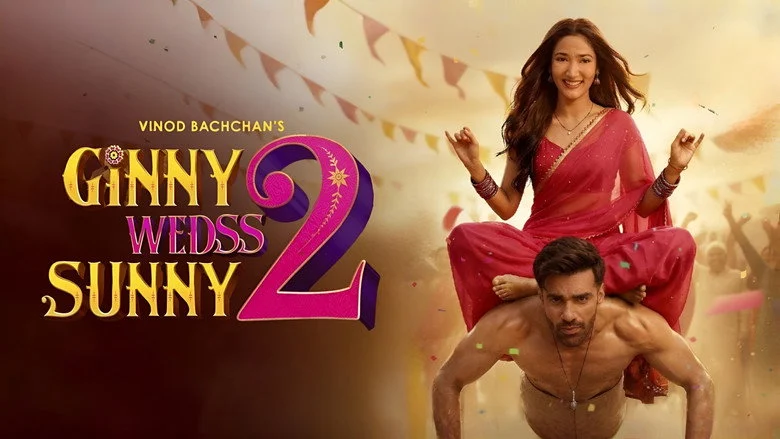
As a romantic comedy, the film ticks boxes without ever igniting. The meet-cute dynamics, the family interference, the third-act misunderstanding, all present, all executed with the energy of someone following a checklist. The comedy leans on situational humor that rarely lands because the situations themselves feel recycled.
The family-drama layer, which should add warmth, instead feels like filler between romantic set-pieces. Sudhir Pandey and Govind Namdeo bring their veteran gravitas, but they’re given caricatures to play rather than characters. Their presence signals a certain quality bar that the writing fails to meet.
At 133 minutes, the film overstays its welcome by at least twenty. The pacing drags in the middle, and the climax resolves with the convenience of a soap opera rather than the craft of cinema. As a genre exercise, it’s competent but utterly uninspired.
Supporting Cast: Veterans Wasted in Familiar Molds
Lillete Dubey as Neelima brings her signature sharpness to the proceedings, but even she can’t elevate lines that feel written for a different decade. Her comic timing remains intact, yet the material gives her nothing to sink her teeth into beyond stock mother-in-law beats.
Govind Namdeo and Sudhir Pandey, both seasoned performers, are relegated to types we’ve seen them play a hundred times. Their casting signals an intent to ground the film in credible acting, which makes the flat writing feel even more disappointing. Gopi Bhalla’s Sugreev uncle adds brief comic relief, but the role is too thin to register as a character.
The Box Office Verdict: A Commercial Disaster
The numbers tell a brutal story. According to Hindustan Times reporting citing Sacnilk, the opening day netted around ₹30 lakh, a figure that would embarrass a mid-budget OTT release, let alone a theatrical sequel. KoiMoi described the fate as disastrous, and the math supports the adjective.
By day five, TodayBoxOffice reported approximately ₹1.43 crore India net and ₹1.85 crore worldwide. Later coverage from Pinkvilla indicated the film limped to a final India net of about ₹1 crore, a number that confirms the audience’s verdict was sealed within the first weekend. When a sequel to a known property performs at this level, the message from viewers is unambiguous.
Audience Reception: Empty Halls and Louder Silence
Reports of near-empty theaters on release day paint a picture of a film that failed to generate even curiosity. The absence of controversy or political angle means the film’s failure rests entirely on its own merits, or lack thereof.
Social media sentiment, where available, echoed the critical response: predictable, unnecessary, and forgettable. This isn’t a case of a misunderstood gem; it’s a sequel that misread why audiences connected with the original.
If you’re in the mood for a light Hindi family rom-com, Hindi Comedy reviews might point you toward better options.
The Final Recommendation
Skip this in theaters; even on OTT, it’s a background watch at best. The film offers nothing that the first installment didn’t already deliver with more charm and less fatigue.
Ginny Weds Sunny 2 is a sequel that exists only because sequels are profitable on paper, a 2 out of 5 effort that wastes a capable cast on a screenplay allergic to surprise.
If you prefer horror with actual puzzle-box ambition, Rosie review offers the craft this film lacks.
For a lost 80s epic with real stakes, Hum Mein verdict delivers the unpredictability this sequel never attempts.
Ginny Wedss Sunny 2 (2026): A Predictable Sequel That Fails to Spark
Visually captivating cinematography, stellar sound design, and commanding performances.
Slight pacing drag in the second act before the climactic resolution.