System (2026): Sonakshi Sinha s lands hard though the screenplay stays patchy
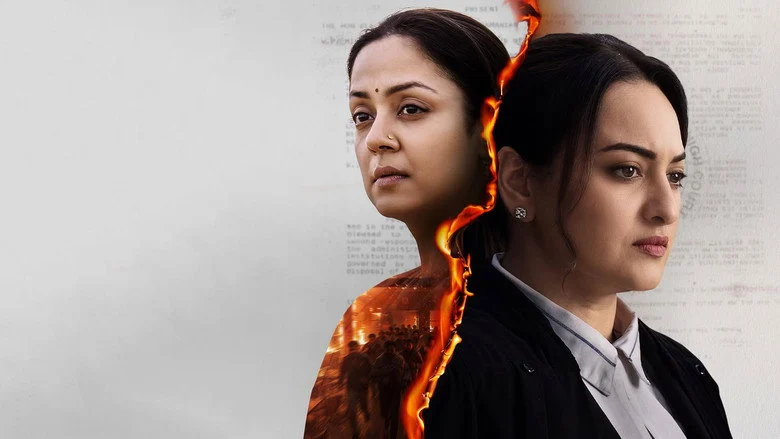
Neha Rajvansh walks into that courtroom like she owns the air itself. Sonakshi Sinha plays this privileged public prosecutor with a stillness that feels earned, until Jyotika’s stenographer forces a crack in that composure.
Sinha is most compelling when her character’s entitlement gets challenged. The confrontation scenes crackle because she lets the authority slip just enough to reveal the insecurity underneath.
Jyotika Anchors the Moral Center Without Raising Her Voice
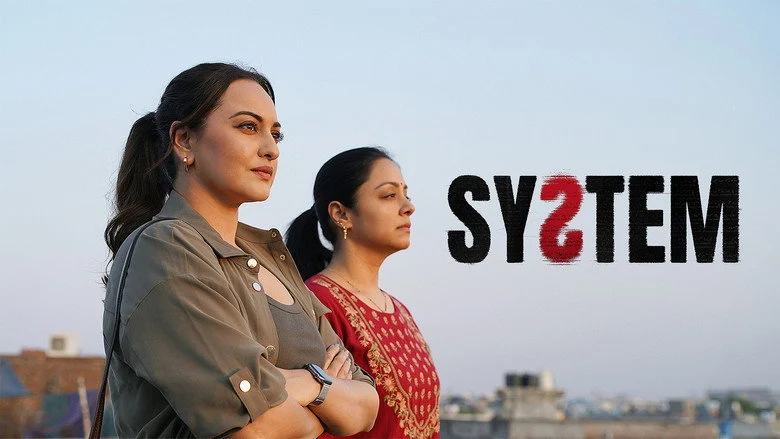
Sarika Rawat could have been a thankless role, the righteous poor woman staring down the system. Jyotika refuses that easy trap. Her restraint gives the film its conscience, and her balance opposite Sinha’s sharper edges creates the only real tension the movie sustains.
She doesn’t perform righteousness; she performs endurance. That distinction matters in a film this invested in institutional power.
Ashwiny Iyer Tiwari’s Direction Prioritizes Character Over Procedure
Tiwari stages the confrontations cleanly, letting the actors carry the weight rather than drowning them in courtroom theatrics. The framing emphasizes institutional pressure without becoming visually fussy. It’s a director who trusts her cast, and for the most part, that trust pays off.
But the screenplay, credited to Harman Baweja and Arun Sukumar, loses steam in the middle. The setup promises a thriller; the execution delivers a drama that forgets to escalate. Suspense construction is uneven, and the lower-tension stretch between the opening and climax tests patience.
The film works better as a character study than as a procedural. When Tiwari leans into the personal stakes, she finds her footing. When she tries to build legal suspense, the pacing falters.
Ashutosh Gowariker and the Pressure Points of Power
Gowariker brings a stern, authoritative presence to Ravi Rajvansh, reinforcing the family-and-power angle with quiet menace. His scenes underline the personal cost of the central conflict without tipping into melodrama.
Vijayant Kohli’s Vikram Bajral functions less as a villain and more as an institutional pressure valve. Sayandeep Sengupta and Nishant Singh populate the legal ecosystem effectively, giving the courtroom texture beyond the two leads.
A Familiar System That’s Still Worth Entering
The premise, power defines truth, justice depends on who controls the record, isn’t new. The film knows this and leans on performance to make it land. For viewers who appreciate dialogue-driven legal drama, there’s genuine value here.
For those expecting thriller tension, the pacing will disappoint. The film’s restraint is both its strength and its limitation.
If you want to see two actresses at the top of their game circling each other in a courtroom, this delivers. If you want edge-of-seat suspense, look elsewhere. Explore more Hindi thriller reviews for films that balance both.
Sonakshi Sinha and Jyotika make this worth a watch for performance enthusiasts, but the uneven screenplay keeps it from being essential viewing. Watch it for the confrontation scenes, they’re the reason the film exists. Stream it on a lazy afternoon when you’re in the mood for character-driven legal drama rather than pulse-raising tension.
System (2026) earns a respectable 3 out of 5, a film that understands its characters better than its genre, and trusts its leads enough to let them carry a flawed but sincere argument about justice.
For a more emotionally charged take on institutional pressure, see how Chand Mera review handles similar themes.
Those invested in how power shapes narrative might also find Operation Sindoor verdict a provocative companion piece.
System (2026): Sonakshi Sinha s lands hard though the screenplay stays patchy
Visually captivating cinematography, stellar sound design, and commanding performances.
Slight pacing drag in the second act before the climactic resolution.