Operation Sindoor: A Nation’s Resolve (2026): A 28-Minute Commemorative That Skips the Hard Questions
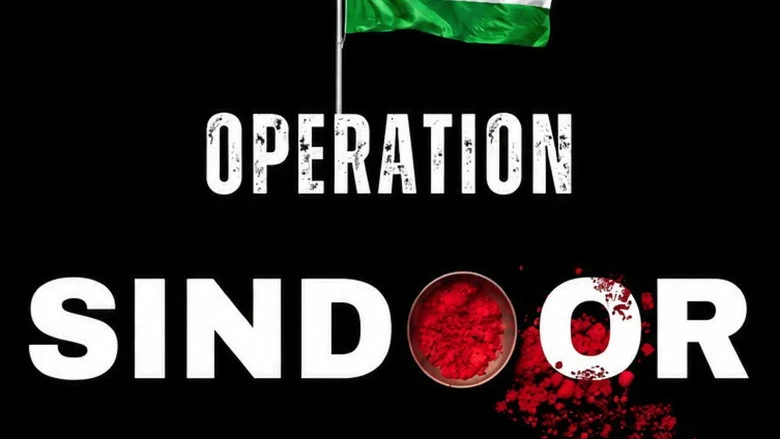
The war-room visuals arrive early, senior officials hunched over tables, satellite imagery flickering on screens, the weight of a nation’s retaliation compressed into procedural calm. Within two minutes, Vivek Ranjan Agnihotri’s 28-minute documentary makes its intent clear: this is not an investigation, it is a tribute dressed in operational detail.
For viewers who want a clean timeline of the Pahalgam attack and the military response that followed, this compact film delivers exactly that. For anyone expecting the interrogative spine of a true documentary, the absence of dissent will feel like a hole in the centre of the frame.
The 28-Minute Runtime Is Both the Film’s Discipline and Its Ceiling
There is something admirable in how Agnihotri refuses to pad the runtime. The structure moves from attack context to inter-agency planning to strike execution without a wasted sequence. The linear screenplay respects the viewer’s time, which is more than most feature-length war dramas manage.
But that brevity cuts both ways. With no room for ambiguity, the film becomes a highlight reel of national resolve rather than a document of complex military and political decision-making.
The Operational Montage Is the Film’s Single Most Effective Sequence
The most discussed scene, the montage stitching ISRO satellite references, war-room deliberations, and synchronized strike visuals, works because it mimics the rhythm of a real command operation. The editing here shifts from setup-heavy exposition to genuine momentum, and for a few minutes, the documentary feels like a procedural thriller.
This is where the craft earns its keep. The aerial imagery and tri-services coordination details give the film a texture of authenticity that a purely talking-head format could never achieve.
Direction Leans on Message Delivery Over Dramatic Tension
Agnihotri’s direction is efficient but not inquisitive. He frames the operation as a closed loop, attack, deliberation, response, and never opens a window into the strategic debates that must have occurred behind those war-room doors.
The promotional framing around political leadership is the most criticised element, and it is not hard to see why. When a documentary about a military strike feels more like a commemorative ceremony than a journalistic account, the line between tribute and propaganda blurs.
The film’s formal, state-centric tone is consistent throughout, but consistency is not the same as depth. There is no counterpoint, no dissenting voice, no acknowledgment that military operations are rarely as clean as the visuals suggest.
Genre Execution: Documentary Discipline With a War Film’s Visual Language
As a documentary, the film prioritises chronological explanation over investigative rigour. The sequence from Pahalgam attack to strategic response is laid out with admirable clarity, and viewers unfamiliar with the operation’s timeline will leave with a solid factual skeleton.
The war genre elements, strike recreations, fighter jet visuals, naval deployment imagery, give the film a cinematic charge that pure archival footage would lack. The operational montage is the standout, using systems-based imagery to build a sense of precision and coordination.
What is missing is the messiness of real conflict. The film keeps its tone formal and its perspective singular, which means the genre authenticity comes at the cost of human texture. There are no soldiers’ faces, no ground-level fear, no moral weight, just process.
The Political Framing Leaves No Room for a Balanced View
The film’s subject matter is inherently politically charged, and the available coverage suggests the presentation aligns closely with official narratives. The dialogue “India will identify and punish every terrorist and their backers” is less a line of inquiry than a statement of policy.
This is the film’s central tension: it works as a patriotic document but fails as an independent analysis. Viewers seeking a balanced investigative documentary will find the framing heavy-handed, while those interested in military and strategic subjects will appreciate the concise operational overview.
For a director who has built his recent career on historical-political works, Agnihotri’s choice to stay inside the official frame feels like a missed opportunity to interrogate the very events he depicts. The audience complaints about heavy ideological framing are not incidental, they are structural.
If you are curious about how this compact tribute fits into the larger landscape of strategic storytelling, our Hindi War reviews cover similar ground with a more critical eye.
What This Film Does, and Doesn’t, Tell You
As a 28-minute overview, the film succeeds at being digestible. It is easy to watch in one sitting, and the clear depiction of the operation timeline makes it accessible to viewers who want a quick primer on the events. The comparison with “Declassified: Operation Sindoor” is telling, this version offers a compact overview where the other attempts deeper narrative exploration.
But the absence of character arcs and opposing perspectives leaves the film feeling hollow at its core. For a documentary about a war operation, the lack of human stakes is a significant gap.
My honest take: this is a film that knows exactly what it wants to be, and it achieves that narrow goal competently. Whether that goal is worth your time depends entirely on what you expect from the word “documentary.”
Watch it on OTT if you want a clear, state-centric summary of the operation. Skip it if you want journalism, investigation, or any sense of the human cost behind the strategic victory. The film answers the questions it wants to answer, not the ones that need asking.
Operation Sindoor: A Nation’s Resolve is a disciplined but shallow tribute, a 2.5 out of 5 for its procedural clarity, docked heavily for its refusal to look beyond the official frame.
For a more restrained approach to national themes, Last Tenant review shows how silence can carry more weight than spectacle. And if you want to see how badly this tone can go wrong, Indian Institute verdict is the cautionary tale.
Operation Sindoor: A Nation’s Resolve (2026): A 28-Minute Commemorative That Skips the Hard Questions
Visually captivating cinematography, stellar sound design, and commanding performances.
Slight pacing drag in the second act before the climactic resolution.