Main Vaapas Aaunga (2026): Imtiaz Ali’s Ambitious Partition Romance Is A Curious Gamble
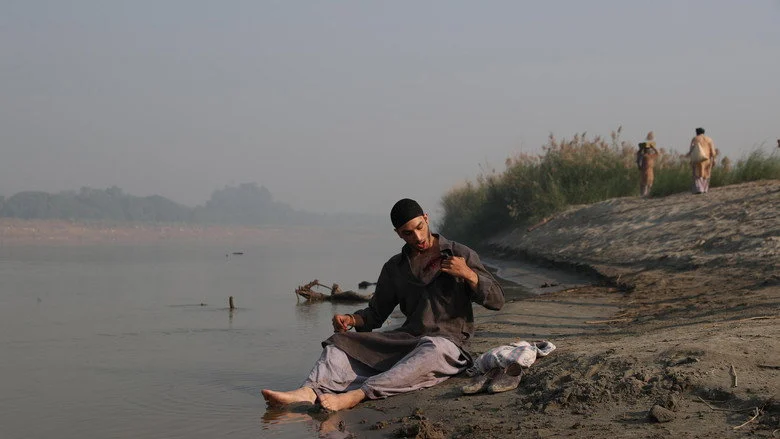
Imtiaz Ali returns to familiar terrain, the restless heart, the road not taken, the ache of a love that refuses to die, but this time the canvas is a 2-hour-46-minute Partition drama spanning generations, and the stakes feel heavier than a mere Jhumri Telaiya detour. With Diljit Dosanjh in a double role opposite Sharvari, and Naseeruddin Shah anchoring the film’s soul, this is Ali aiming for epic poetry, and the result is as fascinating as it is frustrating.
Diljit Dosanjh’s Double Duty: A Star Stretching Beyond The Punjabi Swagger
Dosanjh, as Nirvair “Nivi” Grewal, brings his signature earthy magnetism to the younger timeline, but the real test lies in how he shades the older, grief-stricken iteration of the same soul. His scenes opposite Naseeruddin Shah carry a generational weight that feels earned, even when the writing around them wobbles.
There is a restraint here that his mainstream hits rarely demand of him. Watching him navigate the quiet devastation of a man who has outlived his love is where the film finds its most honest pulse.
Sharvari And Vedang Raina: The Romance That Anchors The Chaos
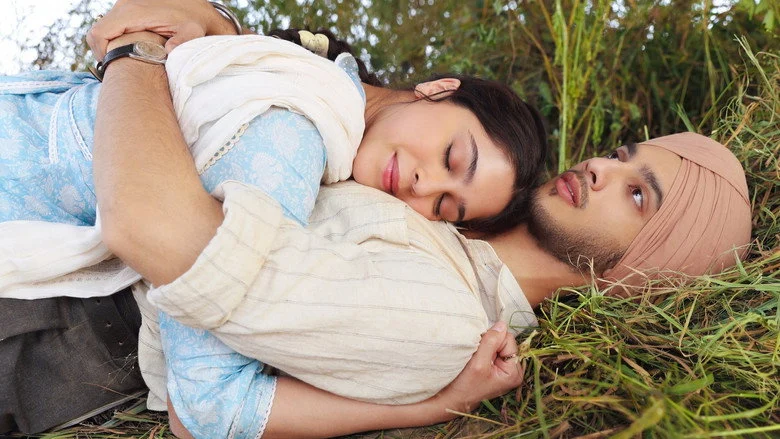
Sharvari’s Jiya/Afsana is a character of dual identities, and she handles the shift with a confidence that belies her relatively short filmography. Her chemistry with Dosanjh in the present-day segments is plausible, but it is Vedang Raina’s young Ishar who provides the film’s most intriguing dynamic.
Raina, playing the younger avatar of Shah’s character, brings a coiled intensity that suggests a performer ready for more complex roles than the industry usually offers. That the film trusts him with the emotional flashback sequences says a lot about Ali’s casting instincts, even when the screenplay doesn’t always reward that trust.
Genre-Core Execution: A Partition Drama Searching For Its Own Language
The genre demands a visceral sense of displacement, the chaos of borders, the smell of burning homes, the panic of crowds. Ali, however, seems more interested in the interiority of loss than the exterior violence of history. The film’s best moments are the quiet ones: a lingering glance, an unspoken regret, the weight of a letter never sent.
But for a runtime of 166 minutes, the middle act sags noticeably. The narrative meanders through subplots that feel like detours rather than destinations, and the editing struggles to find a rhythm that balances the intimate romance with the larger historical sweep.
When the film does commit to its Partition-set sequences, the craft is undeniable, the production design and cinematography evoke a specific, melancholic beauty that Ali has always excelled at. Yet, one wishes the screenplay had matched that visual ambition with a tighter, more urgent narrative drive.
Naseeruddin Shah: The Legend Who Holds The Film Together
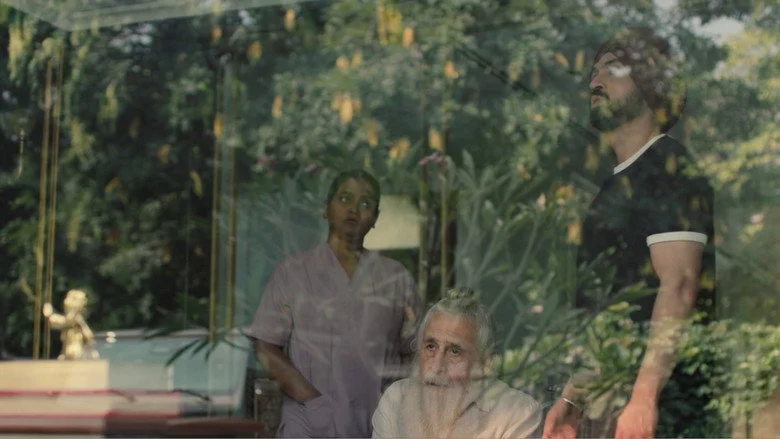
Shah, as the older Ishar Singh Grewal, delivers a performance that reminds you why he remains the gold standard of Indian acting. His scenes in the present-day timeline carry a lived-in sorrow that gives the film its emotional gravity, almost single-handedly compensating for the script’s occasional indulgence.
The casting of Shah opposite a younger Raina creates a fascinating echo chamber of identity and memory. It is a clever structural choice by Ali, even if the execution doesn’t always live up to the conceptual promise.
The Audience Fit Problem: Who Is This Film For?
This is where the film faces its biggest challenge. Imtiaz Ali’s core fanbase, those who grew up on the aching romance of Jab We Met and Rockstar, might find the epic runtime and the Partition backdrop a departure from his more intimate register. Meanwhile, audiences expecting a Diljit Dosanjh entertainer in the mould of his recent blockbusters will be in for a shock.
For a film with a UA certificate and a star as massive as Dosanjh, the box office trajectory will hinge on word-of-mouth from the urban, multiplex audience. The film is a gamble, an expensive, ambitious one that defies easy categorisation. I suspect this will be a film that finds its audience over time, on OTT, rather than one that explodes in its theatrical run.
If you want to see how this fits into the larger landscape of recent Hindi cinema, browsing more Hindi Drama reviews might give you a clearer picture of where Ali’s experiment stands.
At its core, Main Vaapas Aaunga is a film of beautiful intentions and uneven execution. The performances, especially from Shah and Dosanjh, are worthy of your time, but the screenplay’s lack of discipline tests your patience. Watch it for the craft, the performances, and the sheer audacity of its ambition. But go in with tempered expectations, and ideally on a streaming platform where you can pause and breathe.
For a more restrained take on similar themes of identity and restraint, you might find Governor review an interesting companion piece.
Main Vaapas Aaunga is a flawed, overlong, yet strangely affecting film that only Imtiaz Ali could have made, a 3/5 for its ambition and performances, docked for its self-indulgent runtime and meandering middle act.
If you prefer your drama with a sharper, more aggressive edge, Bharat Bhhagya verdict offers a different kind of cinematic fire.
Main Vaapas Aaunga (2026): Imtiaz Ali’s Ambitious Partition Romance Is A Curious Gamble
Visually captivating cinematography, stellar sound design, and commanding performances.
Slight pacing drag in the second act before the climactic resolution.