The Pitt’ Lawsuit Heads to Trial as Warner Bros. Loses Appeal
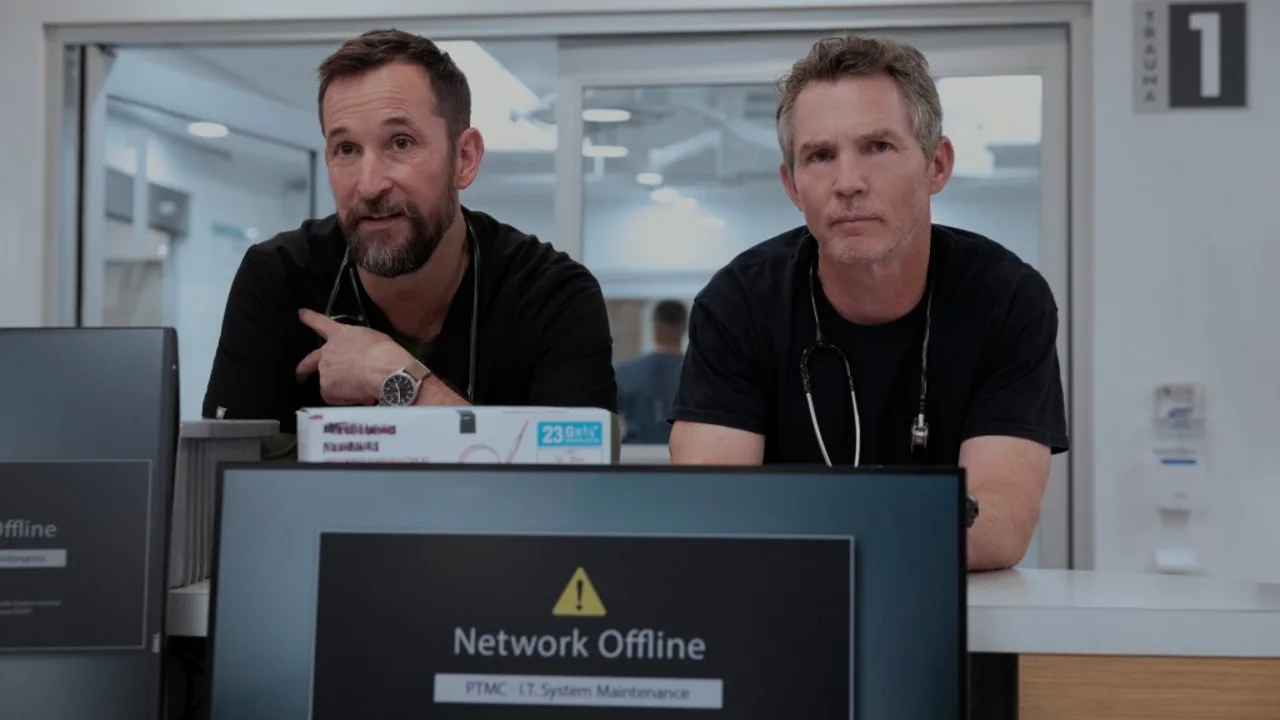
- The Scoop: Warner Bros. Television failed to shut down the Crichton estate’s suit alleging HBO Max’s The Pitt breaches a 1994 ER contract, sending the fight toward discovery and a jury.
- Court Posture: A Los Angeles appellate panel affirmed the February denial of the studio’s anti-SLAPP motion, clearing the estate’s claims to proceed.
- Production Reality: Season 3’s writers’ room opened in March 2026, with EP/director John Wells targeting a June start and a January 2027 HBO Max launch.
- Star Engine: Noah Wyle anchors the Emmy-winning medical drama as Dr. Robby, with Katherine LaNasa, Patrick Ball, Taylor Dearden and Shawn Hatosy in the ensemble.
Warner Bros. Television’s bid to kill the Crichton estate’s lawsuit over The Pitt collapsed Thursday when a Los Angeles appellate panel affirmed the denial of its anti-SLAPP motion.
The ruling pushes the studio and the estate of ER creator Michael Crichton toward discovery and a jury trial over whether the HBO Max drama improperly recycles the 1994 series.
Frozen Rights and a Broken Deal: The Contract Fight at the Core
Sherri Crichton, the author’s widow, filed suit in August 2024, alleging breach of contract and seeking to block the series outright.
Her claim turns on a “frozen rights” provision in a 1994 agreement tied to ER, the same Noah Wyle vehicle that made him a household name three decades ago.
The estate argues the producers lifted substantially from ER after negotiations with Sherri Crichton broke down in 2023. Warner Bros. counters that The Pitt is an original work, not a derivative one.
That distinction is the whole ballgame. A derivative finding would expose the studio to contractual liability on a property it has already renewed through a third season.
The appellate panel’s refusal to dismiss is not a merits ruling, it simply lets the estate’s case breathe in front of a jury, monitored across our trade entertainment wire desk.
Wells, Wyle and the Pittsburgh Shoot: A Franchise Built on Physical Scale
None of the litigation has slowed the machine. John Wells, the executive producer and director, opened the Season 3 writers’ room in March 2026 and is eyeing a June production start.
The show’s format is its commercial weapon: each season tracks a single 15-hour emergency-room shift in real time, a structural gamble that has paid off with Emmy hardware.
Season 3 reportedly unfolds across a shift dated Nov. 12, 2026, returning Wyle as Dr. Robby alongside Katherine LaNasa, Patrick Ball, Taylor Dearden and Shawn Hatosy.
Production splits between Pittsburgh exteriors, including Allegheny General Hospital and its helipad, and recreated hospital interiors on a Warner Bros. California soundstage.
That geography is a logistical tax, not a postcard. Crews shuttle between Pennsylvania weather windows and stage work, and every location day carries a burn rate the studio must amortize against a fixed winter delivery.
Warner Bros. Television and its co-defendants framed the stakes bluntly in their appellate brief:
“This lawsuit seeks to hinder lifelong artists (the writers, producers, and actors identified as Defendants) from showcasing a groundbreaking and Emmy-winning television series that addresses some of the most urgent issues of our time.”
January 2027 and the Cost of Litigating a Hit
The platform math is unforgiving. Season 3 is slotted for January 2027 on HBO Max, a winter corridor that gives the streamer a post-holiday subscriber retention play rather than a festive-weekend tentpole.
Discovery will now pry open development files, deal memos and the 2023 negotiation record, material the studio would rather keep sealed while the show is still selling subscriptions.
Legal fees compound against production spend, and a trial calendar could collide with the very marketing window the January launch depends on.
The broader market is watching how studios defend library-derived IP, a question that echoes across contemporary event-release controversies where rights and narrative ownership collide.
For Wyle, the dispute shadows an otherwise charmed second act, an Emmy-winning lead role he built from the same hospital corridors that now sit at the center of a courtroom fight.
The jury will decide whether The Pitt is a fresh scalpel or a borrowed one. Either way, Warner Bros. is now paying twice for the same shift: once on the soundstage, and once in billable hours.