HBO’s Harry Potter Series Begins Production: New Cast vs. the Movies
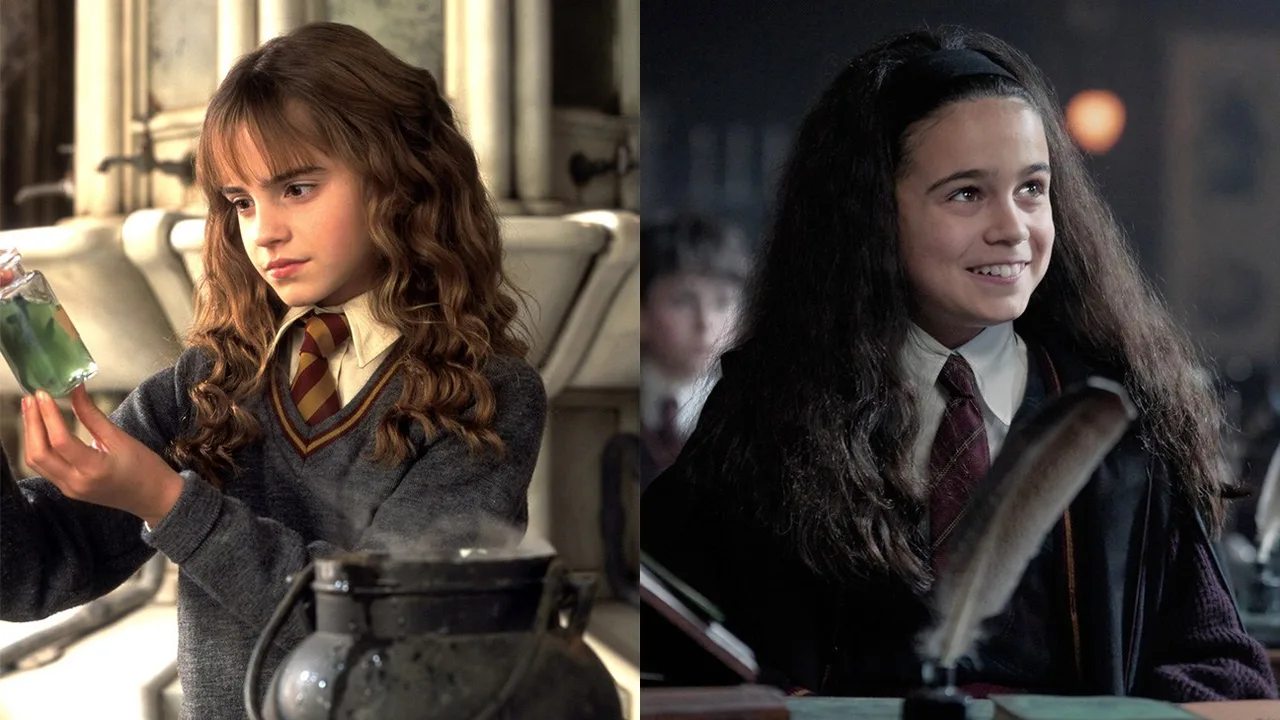
- The Scoop: HBO’s Harry Potter series has officially started production at Warner Bros. Studios Leavesden, with Dominic McLaughlin leading the new cast as the Boy Who Lived.
- Location & Production Scale: The series is shooting at the same U.K. facility where the original eight-film franchise was produced, with Season 1 adapting Harry Potter and the Philosopher’s Stone.
- Cast Depth: McLaughlin is joined by Arabella Stanton as Hermione Granger and Alastair Stout as Ron Weasley, with John Lithgow as Albus Dumbledore, Paapa Essiedu as Severus Snape, and Anton Lesser as Garrick Ollivander.
- Release Calendar: HBO’s official production announcement targets a 2027 debut, though conflicting trade listings point to a Christmas 2026 window.
HBO’s Harry Potter television adaptation has officially commenced production at Warner Bros. Studios Leavesden, with Dominic McLaughlin stepping into the role of Harry Potter.
The series is a full re-adaptation of J.K. Rowling’s wizarding-world novels, with Season 1 drawing from Harry Potter and the Philosopher’s Stone, the same story that launched the original eight-film franchise in 2001.
Leavesden Returns: Why the Original Soundstages Still Hold the Franchise’s Gravity
Shooting at Leavesden is not a sentimental choice but a logistical and industrial one. The facility was purpose-built for the original Harry Potter films and remains one of the largest production complexes in the U.K.
That infrastructure, including the permanent sets, creature shops, and visual effects pipelines that have served the wizarding world for over two decades, gives HBO a production advantage that no green-screen soundstage can replicate.
The series is being positioned as a long-form television event, which means the production calendar is measured in months of continuous shooting rather than the compressed schedules of feature films. That extended timeline places heavy demands on cast availability and crew retention.
McLaughlin, Stanton, and Stout: A Young Trio Carrying a Multi-Billion-Dollar Legacy
The three young leads are relative newcomers, which is precisely the point. Warner Bros. and HBO are betting on fresh faces to distinguish this adaptation from the film franchise’s iconic trio of Daniel Radcliffe, Emma Watson, and Rupert Grint.
McLaughlin’s first-look image (glasses, Hogwarts robes, and the lightning-bolt scar) was released alongside the production announcement, signaling that the studio is leaning into visual fidelity to the source material rather than reinvention.
Around the young leads, HBO has assembled a deep bench of established British talent. John Lithgow’s Dumbledore, Paapa Essiedu’s Snape, and Katherine Parkinson’s Molly Weasley anchor the adult cast with theatrical weight.
Additional names include Rory Wilmot as Neville Longbottom, Amos Kitson as Dudley Dursley, Louise Brealey as Madam Hooch, and Anton Lesser as Ollivander. Deadline also lists Ruari Spooner as Percy Weasley, Gracie Cochrane as Ginny Weasley, and Bertie Carvel as Cornelius Fudge.
Nicholas Hoult is reported for Gilderoy Lockhart in Season 2, a casting move that suggests HBO is already mapping out the franchise’s long-term arc beyond the first book.
The 2026 vs. 2027 Question: Inside HBO’s Release Calendar Strategy
HBO’s official production announcement targets a 2027 debut, but Deadline’s listing cites Christmas 2026, a discrepancy that reflects the fluid nature of premium television scheduling.
A Christmas 2026 launch would place the series directly in the year-end holiday corridor, a window that historically delivers peak streaming viewership as families gather around shared screens.
The 2027 window, by contrast, gives the production team more runway for post-production on a effects-heavy fantasy series. Either way, the release date remains a closely held piece of HBO’s programming slate.
For Warner Bros. Discovery, the series represents a cornerstone asset, a known intellectual property with a built-in global audience, monitored closely across our theatrical release tracking and streaming coverage.
The production’s launch comes almost 14 years after Harry Potter and the Deathly Hallows: Part 2 closed the film franchise, a gap that has only deepened audience appetite for a return to Hogwarts.
Every week of production at Leavesden carries significant crew and facility costs, and the extended television schedule means the burn rate is measured in months rather than weeks. The pressure to deliver on schedule is immense.
HBO’s bet is clear: a faithful, long-form adaptation with a fresh cast, produced at the same facility that built the original films, timed to capture a holiday audience. The wizarding world’s next chapter is now officially underway.