Adam Driver: Soderbergh’s ‘The Hunt for Ben Solo’ Died at Disney
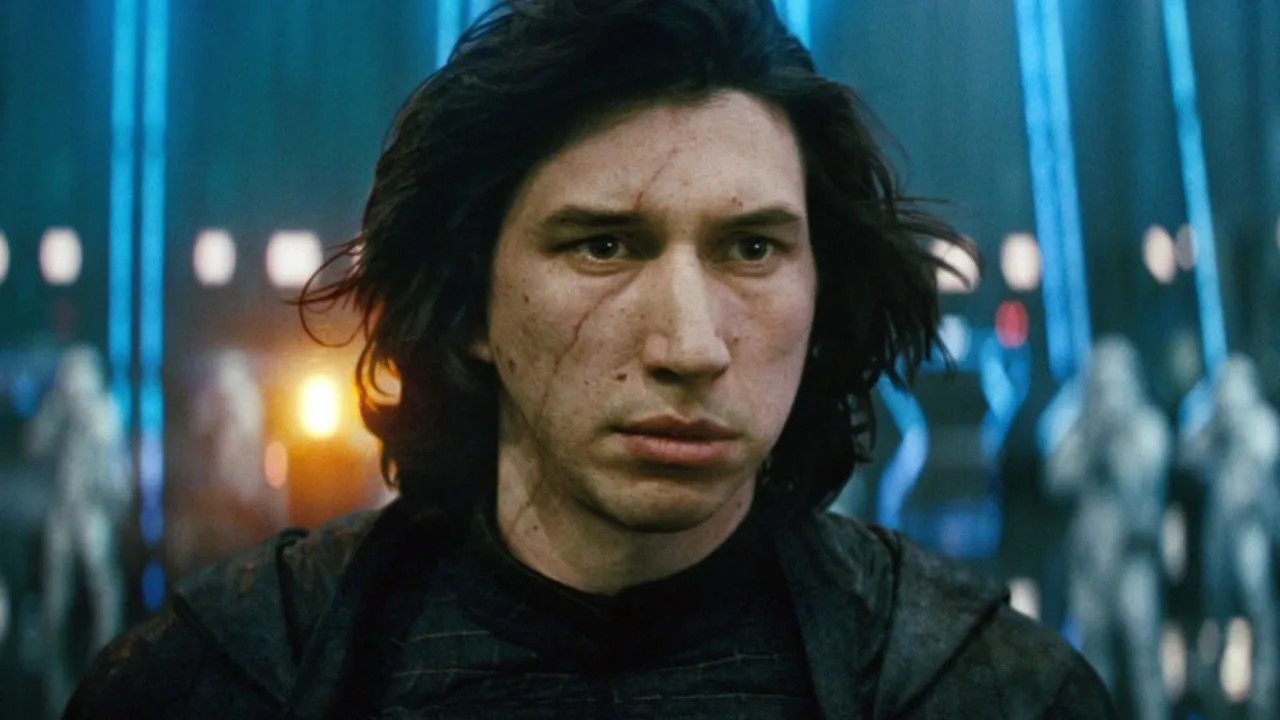
- The Scoop: Adam Driver confirms he and Steven Soderbergh spent roughly two and a half years developing The Hunt for Ben Solo, an unpaid Lucasfilm pitch that Disney executives ultimately rejected.
- The Money Detail: Driver and the writers worked without compensation, with Kathleen Kennedy reportedly assuring the team of a “100% approval rate” before the concept collapsed at the corporate level.
- The Creative Stakes: The pitch would have resurrected Ben Solo after The Rise of Skywalker, a narrative problem Disney brass reportedly could not resolve.
Adam Driver has confirmed that The Hunt for Ben Solo, a Steven Soderbergh-directed continuation of his Star Wars character, was developed for roughly two and a half years before Disney executives killed it.
The project never reached a soundstage, a release calendar, or a single frame of footage, yet it stands as one of the most consequential unmade franchise films of the decade.
Unpaid Development and a Director’s Clout: How the Pitch Took Shape
Driver’s account, given during press for Paper Tiger, frames the endeavor as a labor of conviction rather than contract. He and Soderbergh, along with a writing team, built the concept on their own time.
“We worked on it, and no one’s paying us to work on it,” Driver said. “The only reason why we’re working on it is, ’cause we loved the idea, how we wanted to do it.”
The actor’s attachment to the role is not incidental. Kylo Ren anchored three films, The Force Awakens, The Last Jedi, and The Rise of Skywalker, and Driver’s post-trilogy choices have leaned deliberately toward auteur-driven work.
Soderbergh’s involvement was the engine. “For me it was: Steven Soderbergh wants to make a ‘Star Wars’ film. What are we debating?” Driver said, a line that captures exactly why Lucasfilm insiders took the pitch seriously.
Kennedy’s Confidence Meets Disney’s Cold Feet
Internal momentum at Lucasfilm was real. Driver recalled Kathleen Kennedy telling the team, “We have a 100% approval rate,” a signal that the studio president believed the Disney greenlight was a formality.
It wasn’t. When the concept reached Bob Iger and Alan Bergman, the answer came back negative, and the reported sticking point was foundational: how does Ben Solo exist after his death in the 2019 finale?
That is a creative problem with franchise-wide implications. Resurrecting a Skywalker-line character invites continuity scrutiny across every future era of Star Wars storytelling, and the corporate risk calculus outweighed the upside of a Soderbergh-helmed character piece.
The rejection also underscores a structural reality: Lucasfilm’s creative leadership can champion a project for years without holding the final call. The corporate parent retains veto power, and it used it.
What the Collapse Signals for Star Wars’ Next Era
Driver’s disclosure lands at a moment when the franchise is recalibrating its theatrical ambitions, monitored across our trade entertainment wire desk as Lucasfilm shuffles its feature slate.
A Ben Solo film would have been a legacy-sequel play with genuine prestige muscle behind the camera, the kind of bet that contrasts with contemporary war-driven franchise experiments now crowding release calendars.
Instead, the episode reveals how much development capital (two and a half years of it, unpaid) can evaporate at the final approval gate. That is a burn rate no independent production would survive, and a cautionary data point for talent contemplating speculative franchise work.
For Driver, the takeaway is simpler. He walked away from the character once; he was willing to return only on terms that made creative sense. Disney’s answer ensures The Hunt for Ben Solo remains a pitch-deck ghost, and a reminder that in franchise filmmaking, the parent company always holds the last word.