DC (2026): Lokesh Kanagaraj’s Bloody Devdas Reimagining – Bollyfiix.pro
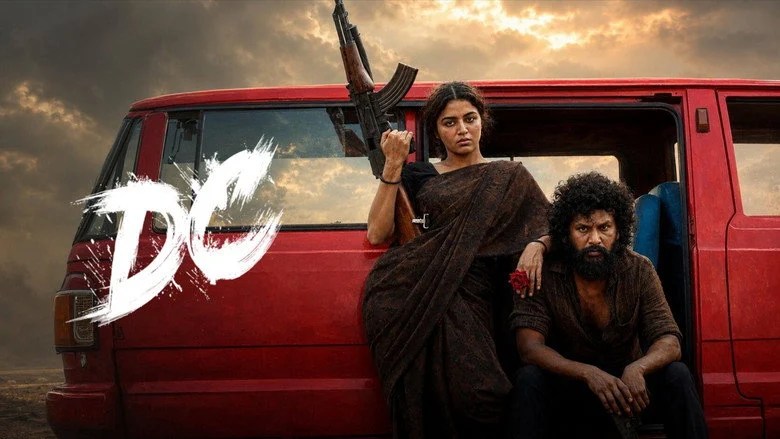
The opening frames don’t whisper; they detonate. Arun Matheswaran’s DC takes Sarat Chandra Chattopadhyay’s tragic romantic and drags him through a gutter of blood and gunpowder, with Lokesh Kanagaraj’s debut performance as the bruised centre of it all. This is not the Devdas your grandmother narrated, it’s the one who hits back before he falls apart.
Lokesh Kanagaraj Arrives as an Actor, Not Just a Universe-Builder
There’s a weight to Kanagaraj’s screen presence that suggests he’s been studying mass heroes his entire career, not just directing them. His Devadas ‘Das’ carries the self-destructive core of the original character, but channels it through physicality rather than melancholic monologues.
In the action-heavy sequences, he’s electric, the praise he’s received isn’t charity toward a director stepping in front of the camera. His performance anchors the film’s mass appeal, making the tragedy feel earned rather than inherited.
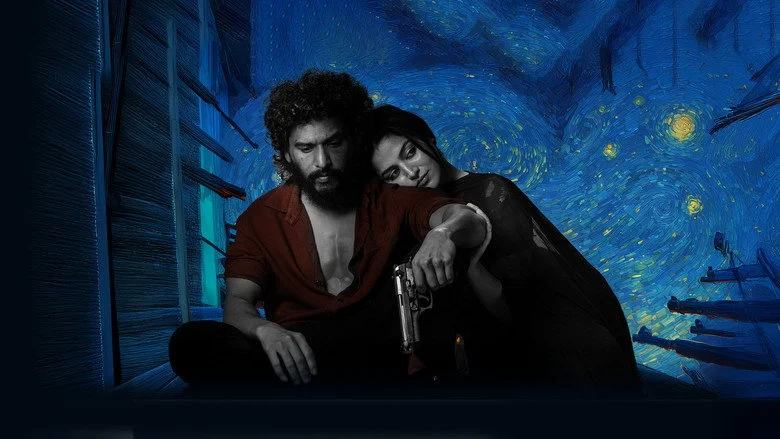
Wamiqa Gabbi and the Women Who Survive the Men
Wamiqa Gabbi’s Chandra is one of the two most consistently noted strengths across review coverage, and it’s easy to see why. She brings a contemporary sharpness to a character archetype that usually exists only to be mourned.
Sanjana Krishnamoorthy’s Parvathy completes the classic triangle, though detailed analysis of her performance remains thin in the available discourse. Thalaivasal Vijay’s Arasu and the supporting presence of Avinash Raghudevan and Srikrishna Dayal suggest Matheswaran is building a world where even minor players carry history.
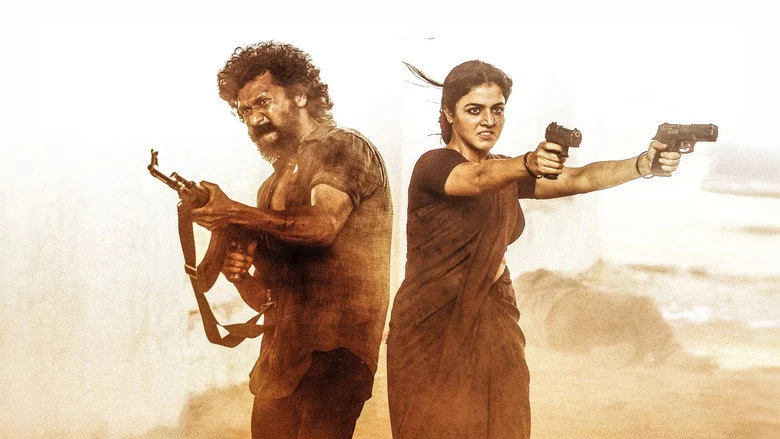
Action as the Language of Self-Destruction
This is where DC justifies its existence. The action set-pieces aren’t just interruptions between emotional beats, they are the emotional beats, externalising Das’s inner collapse through choreographed violence. Review coverage repeatedly singles out these sequences as the film’s primary talking point, and the A certificate signals that Matheswaran isn’t softening the brutality.
The mass-entertainment framing sits in deliberate tension with the tragic source material. Where a conventional Devdas adaptation would linger on longing glances, this film answers longing with gunfire.
Anirudh’s music drives these sequences with a pulse that keeps the 2-hour-23-minute runtime feeling tighter than it might have been. The background score works overtime to bridge the gap between romantic tragedy and crime-thriller momentum.
Direction, Pacing, and the Business of Reinvention
Arun Matheswaran’s direction has been praised repeatedly, and the tonal gamble here is genuinely distinctive. Reimagining Devdas as an action-crime figure isn’t just a gimmick, it’s a commentary on how masculine grief expresses itself in modern mass cinema.
Yet the film isn’t without its stretches. Some coverage suggests the runtime feels extended despite promotional claims of crisp pacing, and the screenplay’s character complexity doesn’t always survive contact with the set-pieces. The Times of India called it “A bloody good reimagination of Devadas”, a verdict that captures both the ambition and the mess.
The commercial outcome has been emphatic. With a reported budget of ₹25 crore, the film grossed ₹69.21 crore net in India and ₹102.92 crore worldwide within its first week, per Sacnilk. The BookMyShow audience score of 9.2/10 from over 68, 000 votes confirms that the mass audience has embraced what critics broadly support.
For more on how Tamil cinema is pushing genre boundaries this season, browse our collection of Tamil Action reviews.
There is one first-person admission I’ll make: I entered DC expecting a vanity project from a celebrated director, and left convinced that Kanagaraj has a second career waiting whenever he tires of building cinematic universes. The film works best when it commits fully to its violent reimagining rather than glancing back at literary respectability.
The Rotten Tomatoes average of 7.2/10 feels about right for a film this ambitious and this uneven. This is a theatrical experience, the action demands a big screen and a sound system that can handle Anirudh’s score without flinching. Watch it for the audacity of the concept and the ferocity of its execution.
DC is a bloody, bruising spectacle that earns its commercial hit status through sheer conviction, even when its narrative threads fray. I’d rate this a solid 3.5 out of 5, a reimagining that respects its source by destroying it.
For a deeper dive into fractured psychological territory, see how Unmadham review handles similar emotional collapse through a quieter lens.
If restraint is more your register, Itlu Kanmani verdict offers the grief that DC chooses to shout.
DC (2026): Lokesh Kanagaraj’s Bloody Devdas Reimagining – Bollyfiix.pro
Visually captivating cinematography, stellar sound design, and commanding performances.
Slight pacing drag in the second act before the climactic resolution.