Dustin Hoffman Calls The Graduate a ‘Terrible Experience’ Over 27 Slap Takes
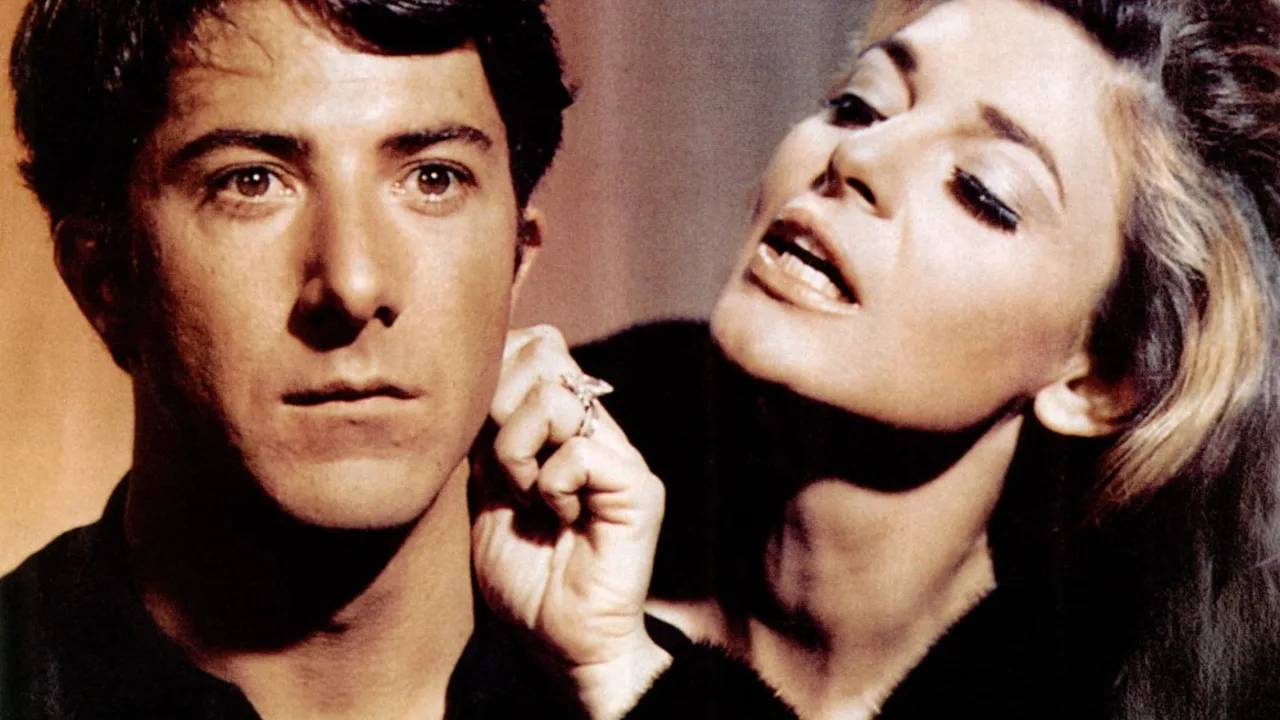
- The Scoop: Dustin Hoffman has publicly described filming Mike Nichols’ 1967 classic The Graduate as a “terrible experience,” detailing a brutal 27-take slap sequence that never made the final cut.
- On-Set Friction: Hoffman alleges Nichols instructed Katharine Ross to strike him repeatedly and harder, leaving him dizzy by the end of the day for a scene ultimately excised from the theatrical release.
- The Source: The actor’s account arrives via a first-person essay for The New Yorker, with the trade details verified by Variety, pulling back the curtain on one of cinema’s most celebrated breakthroughs.
Dustin Hoffman has publicly branded the production of The Graduate a “terrible experience,” revealing that director Mike Nichols forced a 27-take slap sequence that was ultimately cut from the 1967 film.
The actor’s account, detailed in a first-person essay for The New Yorker and verified by Variety, cracks open the mythology of one of Hollywood’s most revered coming-of-age dramas.
Take 27: When Directorial Obsession Becomes Physical Endurance
The sequence in question occurs after Benjamin Braddock’s affair with Mrs. Robinson is exposed, with a rain-soaked Benjamin confronting Elaine in her dormitory room.
Hoffman alleges Nichols instructed Katharine Ross to slap him repeatedly, pushing for escalating force with each take. “Mike just kept telling Katharine to hit me, to hit me harder,” Hoffman stated.
The physical toll was immediate. “I was dizzy by the end of that day, and Mike didn’t even use the slap in the film,” Hoffman added, confirming the footage was discarded entirely from the final edit.
Nichols, who won the Best Director Oscar for the film, was known for his meticulous and often grueling rehearsal methods. Hoffman noted that while the director was irritable with the entire cast, “with me a certain sadism seemed to creep in.”
Embassy Pictures and the High-Stakes Gamble on an Unknown Lead
The production, mounted by Lawrence Turman for Embassy Pictures, was a risky bet from the start. Nichols had famously struggled to cast the role of Benjamin Braddock before settling on the then-unknown Hoffman.
“It’s the hardest thing I’ve ever had to cast,” Nichols said during pre-production, a sentiment that underscores the intense pressure bearing down on the set.
The film’s December 21, 1967 wide release anchored it squarely in the lucrative Christmas and year-end holiday corridor, a slot that allowed the controversial subject matter to dominate adult audiences during a peak moviegoing window.
That strategy paid off handsomely. The Graduate became a cultural phenomenon and the highest-grossing film of 1967, pulling in $104.9 million at the domestic box office and securing Hoffman’s status as a major star.
The friction on set, however, remained a closely guarded secret for decades. Hoffman’s decision to speak out now reframes the film’s legacy, trading the polished sheen of a classic for the raw, uncomfortable reality of a director pushing an actor to his physical limit.
For an industry that often romanticizes the suffering behind great art, Hoffman’s testimony serves as a stark reminder of the personal cost embedded in cinematic history. It is a narrative monitored closely across our trade entertainment wire desk, where the business of filmmaking is rarely as seamless as the final cut.