HBO’s Harry Potter Series Confirms Early 2027 Launch and Full Cast
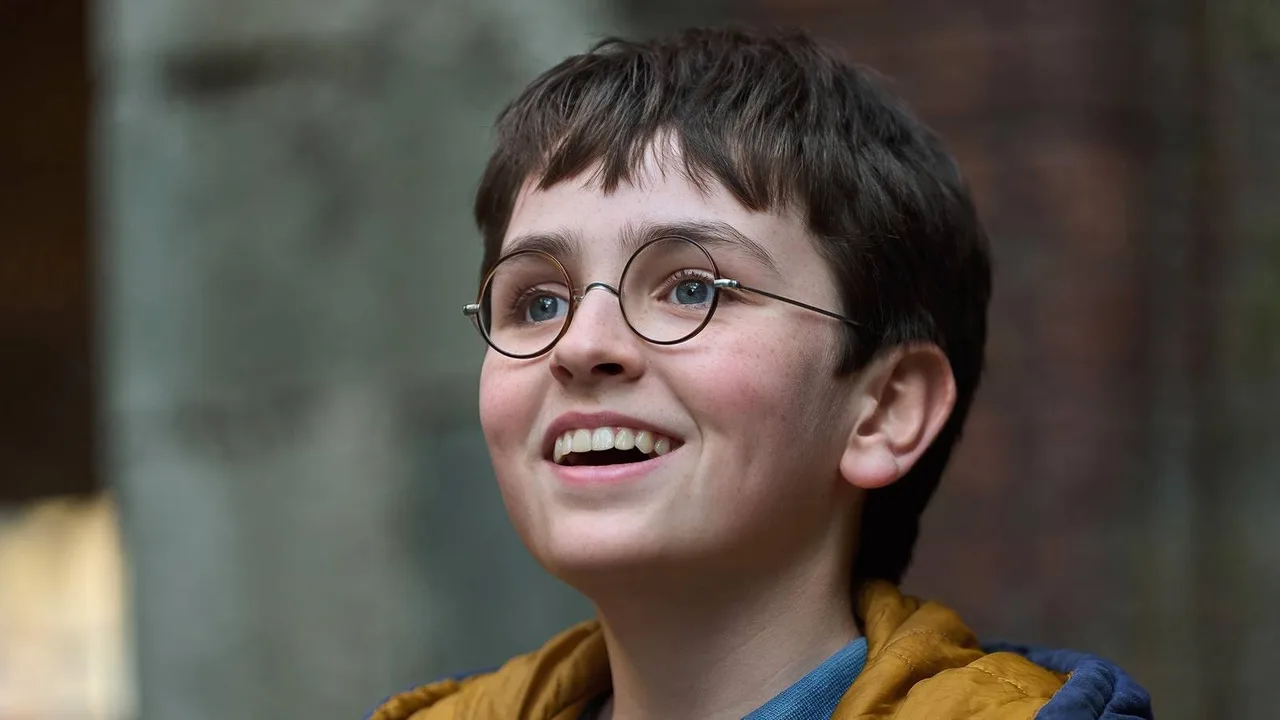
- The Scoop: HBO’s Harry Potter series is filming at Warner Bros. Studios Leavesden, with Season 1 adapting The Philosopher’s Stone.
- Launch Window: HBO Chairman and CEO Casey Bloys has locked the premiere to early 2027, declining to specify a month.
- Creative Core: Showrunner Francesca Gardiner leads the writers’ room, with Mark Mylod directing and executive producing.
- Cast Architecture: Newcomer Dominic McLaughlin leads as Harry, backed by John Lithgow, Janet McTeer, Nick Frost, and Paapa Essiedu.
HBO’s Harry Potter series is officially in production at Warner Bros. Studios Leavesden, with cameras rolling since July 14, 2025, on a first season adapting Harry Potter and the Philosopher’s Stone.
The network has planted its flag firmly in early 2027, a window that gives the production room to breathe while boxing out the competition.
Leavesden Ground Zero: Why the Studio Stage Beats the Location Shoot
Warner Bros. Studios Leavesden is not merely a convenient backdrop; it is the ancestral home of the franchise, the same facility where the original eight films were shot over a decade.
Returning to that stage gives the series a production infrastructure that no streaming fantasy epic can replicate, with permanent sets and a crew base that knows the material intimately.
Showrunner Francesca Gardiner is steering the creative ship, and her mandate is clear: expand the narrative real estate that the 2001 feature film compressed into 152 minutes.
Mark Mylod, who directed multiple episodes of Succession and The White Lotus, is attached to direct and executive produce, bringing a sharp, character-first sensibility to the wizarding world.
His involvement signals that HBO is not chasing spectacle for its own sake; it is chasing the psychological texture that made the books endure.
The production’s commitment to practical sets and physical locations over green-screen volume work is a deliberate bet on the enduring appeal of tangible craft, a contrast to contemporary war release productions that lean on real-world terrain.
Cast Balance: Newcomers Meet a Murderers’ Row of British Character Actors
Dominic McLaughlin carries the weight of the Boy Who Lived, and HBO has surrounded him with a supporting ensemble that reads like a who’s who of British stage and screen royalty.
John Lithgow steps into Albus Dumbledore’s robes, Janet McTeer takes on Minerva McGonagall, and Nick Frost brings his unmistakable warmth to Rubeus Hagrid.
Paapa Essiedu’s casting as Severus Snape is the most intriguing piece of the puzzle, a young actor with the range to redefine a role that Alan Rickman made iconic.
Arabella Stanton and Alastair Stout round out the central trio as Hermione Granger and Ron Weasley, ensuring the series’ emotional core rests on fresh faces.
Warwick Davis is reportedly reprising his role as Filius Flitwick, a bridge between the feature films and the new iteration that will delight purists.
This ensemble architecture is a deliberate commercial play: recognizable names draw in older viewers, while the newcomers give the series a long-term runway across seven seasons.
Early 2027: HBO’s Long Game Against Peak TV Fatigue
Casey Bloys has been consistent about the timeline, telling press that the network has been saying 2027 and narrowing it to early 2027 without committing to a specific month.
“We’ve been saying 2027,” Bloys said, confirming the window while declining to specify a launch month.
That discipline is a luxury HBO can afford, and it is also a strategic weapon, allowing the series to avoid the crowded holiday corridors and launch in a quieter quarter where it can dominate the conversation.
The first season’s adaptation of The Philosopher’s Stone gives the writers room to restore the novel’s quieter character beats and world-building details that the film franchise, for all its commercial might, simply could not accommodate.
That is the real opportunity here: not a corrective to a specific on-screen error, but a structural advantage that only long-form television can offer.
HBO is betting that audiences want to live inside Hogwarts rather than sprint through it, and the production’s pace at Leavesden reflects that patience.
For a platform competing in an era of subscriber churn, a seven-season franchise with built-in global awareness is the closest thing to a guaranteed retention engine.
Every dollar spent on the Leavesden stages and the ensemble’s contracts is a bet on a decade-long subscriber acquisition funnel, monitored closely across our trade entertainment wire desk.
The early 2027 launch window gives HBO a clear runway to build anticipation without the pressure of a rushed post-production schedule.
If the series delivers on its promise, it will not just be a hit; it will be the template for how legacy IP is rebuilt for the streaming age.