Korean Kanakaraju (2026): A Possession Comedy That Loses Its Soul in Transit

The jar arrives at the village bar like a dare nobody asked for, a dead Korean gangster’s ashes displayed as a curiosity before Kanakaraju, the local hothead, drinks from it and starts speaking fluent Korean. That single image carries the film’s entire promise: rural Telugu nativity colliding head-on with imported folklore.
It’s a promise the movie can’t keep, and you feel the letdown long before the credits roll.
Varun Tej Commits, But the Script Abandons Him Mid-Possession
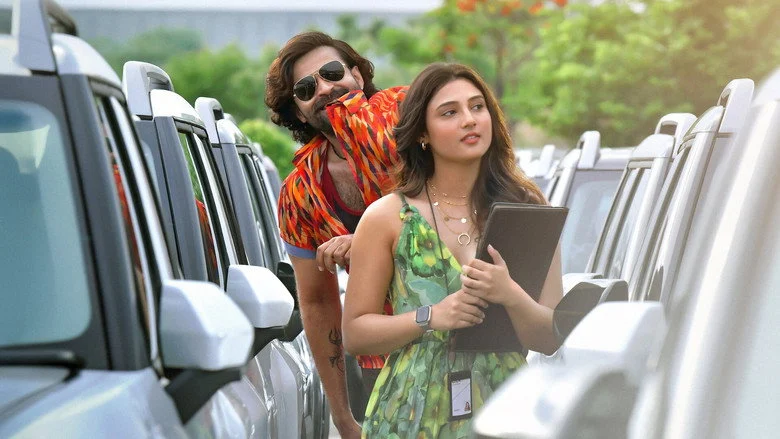
Varun Tej throws himself into the possessed state with a physicality that deserves a better container. His exaggerated vocal shifts and jerky body language after drinking from the jar suggest an actor willing to look foolish for the sake of the bit.
The performance lands best in broad comic and supernatural beats, when he’s switching between Kanakaraju and the Korean spirit mid-sentence, there’s genuine craft at play. The emotional register never quite arrives, and the script doesn’t give him a scene where the dual identity actually hurts.
Merlapaka Gandhi’s Concept Outruns His Screenplay
Credit where due: the premise of a Penukonda ruffian body-snatched by a Korean gangster spirit who offers Rs 3 crore for a family reunion is genuinely unusual. Gandhi’s earlier work in Brochevarevarura and Raja Raja Chora showed sharper control over tone than what surfaces here.
The screenplay is bloated, uneven, and structurally linear to a fault. The first half dawdles establishing the village rhythm, while the second half strains credibility as the journey shifts to South Korea with logic holes the size of the Pacific.
Genre Execution: Horror Comedy That Forgets the Horror
The horror here is possession by gimmick rather than atmosphere, the scares never materialize as sustained dread, just intermittent supernatural beats that reset to comedy. The bar and jar setup works as a comic engine, but the film leans on it until the device runs dry.
Satya’s reaction shots and timing become the genre’s real spine; his responses to Kanakaraju’s possessed behavior generate the only consistent laughs. The possession sequence itself, Kanakaraju suddenly speaking Korean mid-drink, is the film’s most effective fusion of its two cultural registers.
Then comes the climax, described by multiple reviewers as AI-heavy and painful to watch, with racist framing that reduces an entire nationality to a punchline. The tonal inconsistency between village comedy and Korea-set resolution sinks whatever goodwill the earlier stretches earned.
If you’re weighing whether this one’s worth your evening, browsing more Telugu Action reviews might help you calibrate expectations.
Satya Carries the Laughs While Others Fade Into the Frame
Satya emerges as the film’s most reliable element, his comic counterweight giving Varun Tej someone to bounce off in the possessed sequences. His timing is repeatedly cited as the reason isolated stretches work at all.
Ritika Nayak’s Chitra, the Korean-culture-obsessed love interest, leans into stereotype rather than character depth, the role criticizes itself by design. Muralidhar Goud, Sunil, Avasarala Srinivas, and VTV Ganesh populate the village ensemble without any breakout moment documented in the coverage.
The Racism Question and the Audience Verdict
The criticism isn’t subtle: one review called it “a horror comedy where the real horror is the racism.” Another noted “mild laughs and no scares in this bloated horror comedy.” The Korean gangster spirit and the film’s treatment of Korean identity drew sharp rebuke, with reviewers calling the portrayal reductive and insensitive.
Gulte rated it 2.5, M9.news gave 2.25, and the consensus quote, “Varun Tej and Sathya’s comic timing cannot rescue this dull narrative”, captures the film’s central failure. Audience complaints mirror the critics: weak writing, pacing issues, and an unsatisfying climax with low scare value dominate the chatter.
I kept waiting for the film to commit fully to its own strangeness, but it hedges at every turn, never scary enough for horror, never consistent enough for comedy.
Korean Kanakaraju is a watch only if you’re a Varun Tej completionist or a Satya fan willing to fast-forward through the dead stretches. The concept deserved a tighter script and a more respectful cultural lens; what we got is a possession comedy that loses its soul somewhere between Penukonda and Seoul. Stream it on Netflix if you must, but keep your expectations in check.
Korean Kanakaraju earns a generous 2 out of 5, a committed lead and a reliable comic sidekick trapped inside a screenplay that never finds its tone.
For a sharper take on rural Telugu storytelling, Thudakkam review shows how restraint serves comedy better.
Varun Tej’s possessed energy finds a more disciplined echo in Ottam Thullal verdict.
Korean Kanakaraju (2026): A Possession Comedy That Loses Its Soul in Transit
Visually captivating cinematography, stellar sound design, and commanding performances.
Slight pacing drag in the second act before the climactic resolution.