Martin Scorsese Says Seth Rogen’s Kim Jong Un Joke Killed His Cleopatra
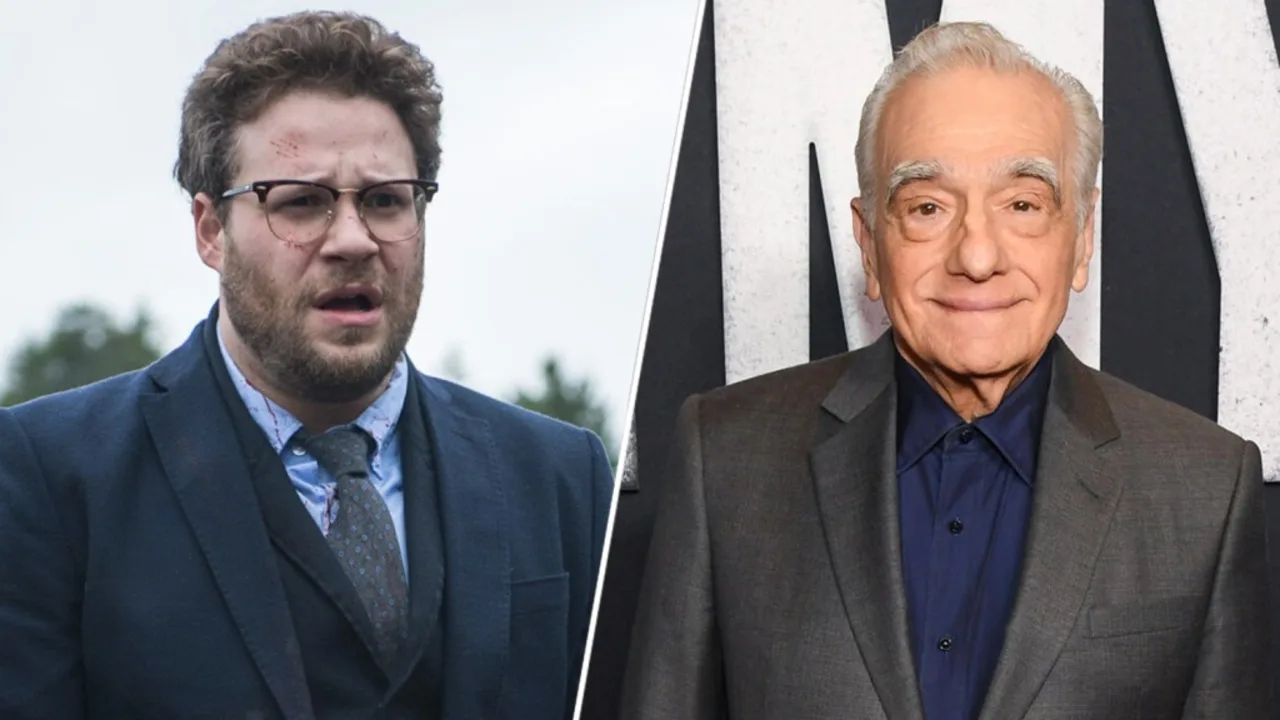
- The Scoop: Martin Scorsese says the 2014 Sony hack fallout over Seth Rogen’s The Interview killed his planned Cleopatra epic.
- Creative Package: The abandoned project had Eric Roth on script and Angelina Jolie attached to play Cleopatra VII.
- Industry Stakes: A major historical epic was shelved entirely because of a geopolitical crisis sparked by a comedy.
Martin Scorsese has revealed that his planned Cleopatra epic collapsed because of the 2014 Sony Pictures hack triggered by Seth Rogen’s Kim Jong Un satire The Interview.
The director’s account reframes one of Hollywood’s most tantalizing unmade films as collateral damage from a geopolitical crisis, not creative differences.
A Geopolitical Crisis Sinks A Historical Epic
Scorsese traced the collapse directly to the Sony breach, when hackers retaliated against the studio over Rogen’s comedy depicting the assassination of North Korea’s leader.
He noted that the fallout effectively shuttered the project, saying: “Seth Rogen, right? And then he got mad, and [it] ruined Cleopatra.”
“We were going to do Cleopatra at one point, and then they made fun of Kim Jong Un, and he got mad and blew up everybody at Columbia,” Scorsese said. “Well, tell Seth, because they ruined everything. Just because Kim Jong Un doesn’t have a sense of humor.”
The irony is sharp: a comedy targeting a dictator inadvertently dismantled one of the most ambitious historical productions in development at the time.
Scorsese’s frustration is palpable in the retelling, framing the loss as an absurd casualty of global politics colliding with studio risk management.
Jolie and Roth: The A-List Package That Never Was
The creative attachments were formidable. Eric Roth had already delivered a script, and Angelina Jolie was set to embody Cleopatra VII in what Scorsese described as a “really wild” vision.
That combination (Scorsese, Roth, and Jolie) represented a prestige historical epic with genuine global marquee weight, the kind of package studios rarely assemble.
Jolie’s attachment positioned the film as a star-driven period spectacle, while Roth’s involvement signaled the narrative rigor expected of a serious awards-season contender.
The project’s collapse denied audiences a collaboration that could have redefined the sword-and-sandal genre for a modern era, echoing the kind of large-scale historical bets monitored across our industry release tracking.
Studio Risk and the Cost of Unmade Ambition
The Sony hack didn’t merely leak emails, it exposed the fragility of studio slates built on politically sensitive material and international sensitivities.
For Scorsese, the episode underscores how external crises can override creative momentum, shelving projects that had already cleared major development hurdles.
The director’s willingness to name Rogen directly adds a layer of dark humor to a costly industry cautionary tale about the ripple effects of provocative comedy.
While Scorsese has since delivered major theatrical events, the Cleopatra loss remains a stark reminder of how quickly a greenlit vision can evaporate when geopolitics intervenes.
The economics are brutal: development capital, A-list attachments, and years of creative labor written off because a dictator lacked a sense of humor, a burn rate no studio slate can absorb without consequence.