Moshe Rosenthal’s Tell Me Everything: Israel’s Oscar Submission and Sundance Bow
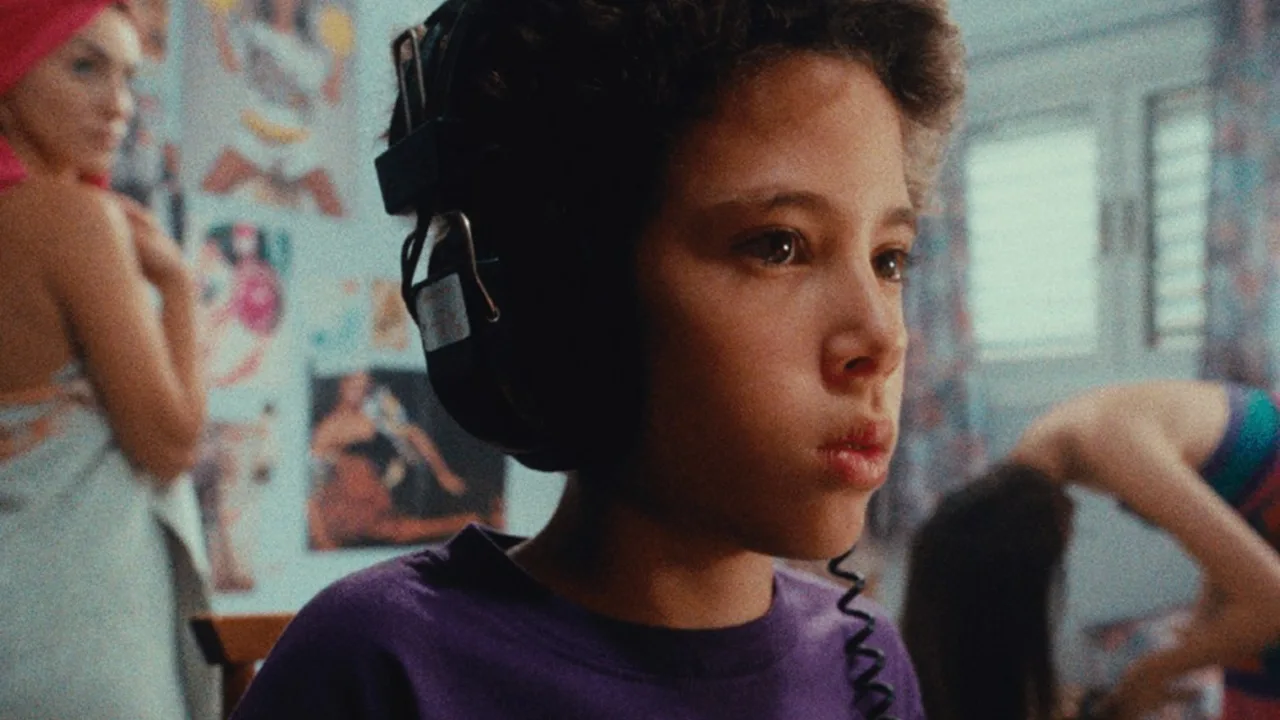
- The Scoop: Moshe Rosenthal’s 1980s father-son drama Tell Me Everything is Israel’s official submission for Best International Feature at the 99th Academy Awards.
- Awards Haul: The film converted 16 Ophir nominations into 10 wins, taking Best Picture, Best Director and Best Screenplay before landing a World Cinema Competition slot at Sundance 2026.
- Sales Footprint: Paradise City Sales has locked international distribution across France, Australia, New Zealand and Indonesia, with a trailer now circulating for buyers.
- Ensemble Build: Yair Mazor and Ido Tako split the role of Boaz across two timelines, with comedy heavyweight Assi Cohen stepping into a rare dramatic turn as the father.
Moshe Rosenthal’s Tell Me Everything has been confirmed as Israel’s submission for Best International Feature at the 99th Academy Awards, following its Best Picture win at the Ophir Awards.
The film arrives on the awards circuit with a Sundance 2026 World Cinema Competition berth already secured, positioning it as one of the season’s most closely watched international titles.
An Ophir Sweep That Turned Into an Oscar Ticket
Ten trophies from sixteen nominations is not a polite industry gesture; it is a consensus. The Ophir voters handed Rosenthal Best Picture, Best Director and Best Screenplay in a single night.
That sweep carries structural weight. Under Israeli academy rules, the Best Picture winner automatically becomes the country’s Oscar entry, converting a domestic coronation into immediate international leverage.
Paradise City Sales moved quickly on the back of that momentum, unveiling a trailer and closing distribution in France, Australia, New Zealand and Indonesia. The rollout pattern is textbook prestige-festival positioning rather than a wide commercial push.
For buyers scanning the international feature field, the combination of a Sundance premiere and a near-clean-sweep at home makes this one of the more legible packages on the market, tracked closely across our trade entertainment wire desk.
Rosenthal Mines His Own Childhood for the Frame
The director has been explicit that the material is drawn from personal terrain. “Tell Me Everything is a personal film that draws heavily from my own childhood,” Rosenthal said. “It’s an ambitious and unwavering journey into the beauty and burden of our memories.”
The story follows Boaz, a 12-year-old in the 1980s who discovers his father is involved with another man amid the HIV crisis. The narrative then jumps forward, following Boaz as an adult attempting to repair the relationship.
That dual-timeline structure demands two performers carry the same interior life. Yair Mazor plays the boy; Ido Tako plays the grown man. The casting is the film’s structural hinge, and Rosenthal is betting the emotional payoff on their continuity.
Assi Cohen, one of Israel’s most bankable comedy stars, takes the father role in a deliberate departure from his commercial register. Keren Tzur plays the mother, with Mor Dimri and Neta Orbach as Boaz’s sisters.
Green Productions and United King Build the Backing
The production muscle is domestic and established. Alona Refua, Maya Fischer, Roi Kurland and Gal Greenspan produced for Green Productions, with Ben Giladi for Liminal Content and Moshe Edery and Leon Edery for United King Films.
Paradise City’s Émilie Georges and Naima Abed co-produced, a pairing Rosenthal framed as a creative fit rather than a financing formality. “Their eye for auteurs and timeless cinema is truly admirable,” he said.
A five-name executive producer bench including Jonathan Margolis, Isaac Zablocki, Fred Toczek, Sharon Chazin Lieblein and Limor Gott Ronen signals a package assembled with awards infrastructure in mind.
The commercial math here runs on the festival-to-submission corridor, not opening-weekend grosses. Every Sundance screening and guild Q&A is subscriber-and-buyer acquisition spend, and a nomination would convert that visibility into a hard distribution asset across the four closed territories, a sharper return than any single theatrical weekend, much like the awards-adjacent positioning of recent commemorative release strategy in the current market.