
Love Oh Love (2026): A promising role-reversal rom-com undone by its own limitations


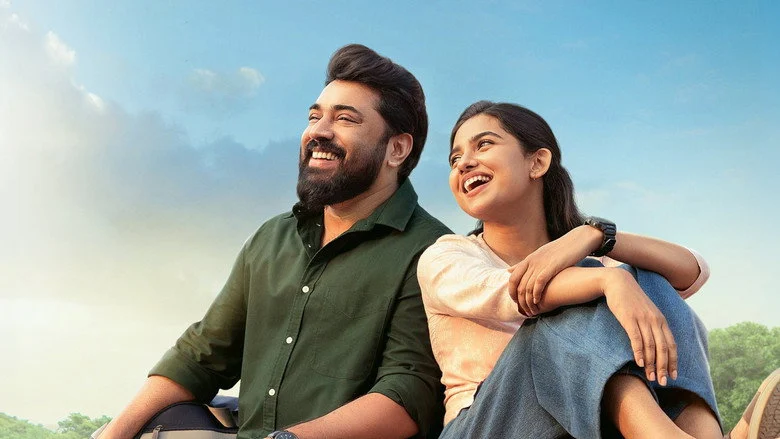
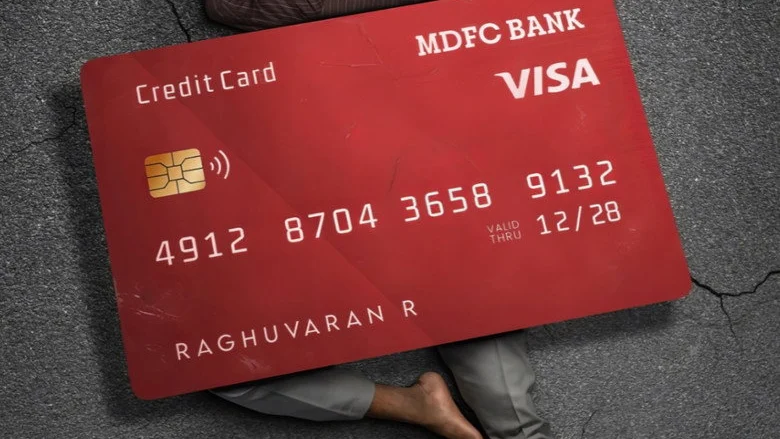
The teaser hits a sharp, memorable note: Raghuvaran, a man drowning in debt after his girlfriend Avantika’s lavish spending, throws down a gauntlet. ‘Take on the man’s role for four months, ‘ he challenges. ‘Feel the pressure.’ It’s a crisp, confrontational opening that promises a modern romantic comedy with teeth.
Pavish Narayan and the burden of playing a man at rock bottom
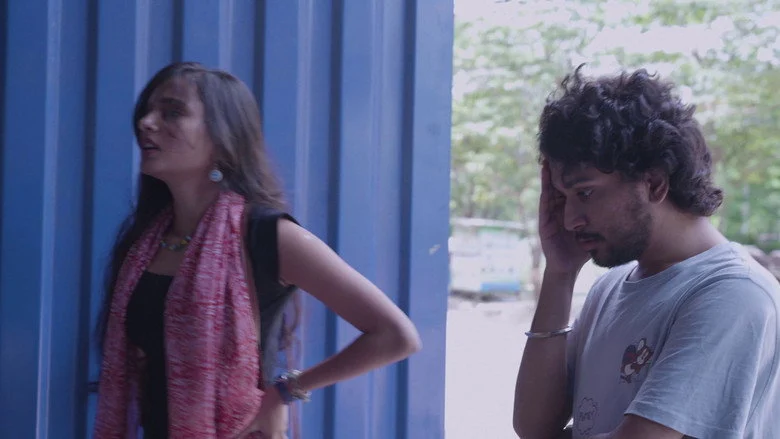
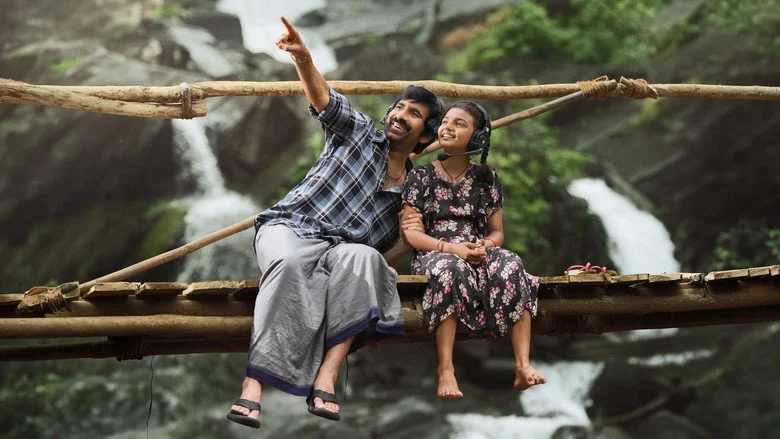
Pavish Narayan shoulders the protagonist’s journey with a sense of weariness that feels earned. His Raghuvaran isn’t a hero; he’s a guy whose life has crumbled, job lost, family gone, and his challenge is a desperate move, not a calculated one.
Narayan captures that fragile desperation well. His performance suggests a man who has exhausted his options, and the early scenes where his life falls apart carry a quiet, convincing tension. It is not a flashy turn, but one rooted in the film’s central conflict.

Naga Durga and the challenge of a protagonist as antagonist
As Avantika, Naga Durga is tasked with playing the catalyst for Raghuvaran’s misery. The script frames her spending as the root of his financial ruin, which immediately makes her an unsympathetic presence.
Yet Durga navigates this tricky role with a refusal to be merely shrill. The challenge lies in the film’s premise itself: can a character who is positioned as the “antagonist/partner” find redemption and earn our empathy? Durga’s performance often feels like it is fighting the screenplay’s own setup, making her a more interesting figure than the dialogue sometimes allows.
Magesh Rajendran’s direction: a neat premise, a clumsy path
Director Magesh Rajendran has a clear hook, the role-reversal challenge, that gives the narrative a sharp, linear spine. The debt-driven conflict is a concrete, relatable problem, which is a strength for a romantic comedy in 2026.
However, execution stumbles in the middle act. The film leans heavily on a single narrative trick (the four-month challenge) without developing the comedic beats within that time frame. The supporting cast, including the reliable K.S. Ravikumar and Adithya Kathir, are underutilized, often reacting to the central couple’s drama rather than creating their own comic space.
A romantic comedy that forgets the comedy for too long
The comedy genre requires a rhythm of set-ups and punchlines, but Love Oh Love often stalls in the dramatic weight of its debt narrative. The teaser promised “fun characters, ” but the central premise, financial ruin, pulls the tone into a more serious, almost melodramatic space. The tension of Raghuvaran’s job loss dominates the first half, leaving little room for the playful banter the genre demands. The early challenge scene is the film’s most energetically crafted moment, but subsequent scenes fail to match its sharpness or pace.
When the film does pivot back to romance, it feels forced rather than organic. The central question, can they rediscover real love?, is answered by the screenplay’s logic of debt and resentment, not by genuine emotional reconnection. The role-reversal concept is a strong comedic engine, but the film’s focus on the consequences of that reversal (the debt, the exhaustion) suffocates the comedy that should arise from it.
The romantic tension relies on Avantika’s growth, but her journey feels compressed and unresolved. The script gives her a “rising to a challenge” arc, but the final act rushes her transformation, shortchanging the thematic promise of mutual understanding.
The missing conversation: what audience is this really for?
This is where the film’s identity crisis becomes clearest. It targets “mass and class audiences, families, and fans of romantic comedy, ” but its central conflict, a man destroyed by his partner’s spending, feels more suited to a reactionary social drama than a light-hearted romance. The audience-fit is questionable; families seeking a conventional romantic comedy may find the debt narrative too heavy, while those hoping for a sharp gender-role critique may find the execution too simplistic.
Pavish Narayan and Naga Durga commit to their roles, but the film never decides if it wants to be a thoughtful examination of financial incompatibility or a fun, escapist date movie. In trying to be both, it becomes neither fully. I found myself wondering if a tighter, funnier 90-minute cut would have served the premise better than this 2h 10m runtime.
If you are a fan of the leads or intrigued by the role-reversal hook, it is worth a watch for its first act. But for most, this feels like a missed opportunity to make a genuinely sharp, crowd-pleasing rom-com. The best format to catch it is 2D, but wait for a streaming release before committing your time.
Love Oh Love tries to subvert a tired trope but gets buried under its own debt narrative, earning a **2.5 out of 5** for its ambitious, if flawed, intentions.
For more on this film’s language and style, browse our collection of Tamil Romance reviews and discover other ambitious misfires.
Readers who found its role-reversal theme intriguing might appreciate how Lenin review tackles similar thematic gambles.
For a different take on debt-driven relationships, the flawed structure of Ontari E verdict offers a sharper critique.
Ankit Jaiswal is the Chief Author, covering Indian cinema and OTT releases with honest, no-filler criticism. An SEO strategist by background, he brings a research-driven approach to film writing, cutting through hype to tell you exactly what's worth your time.