Lee Cronin’s The Mummy (2026): Family Horror Built on Absence and Dread


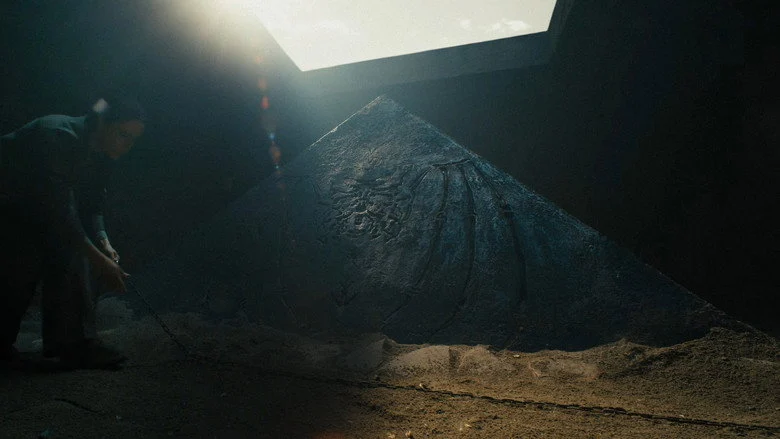
Eight years of desert silence shatter when a missing girl walks back into her family’s life, unmarked and unchanged, a detail so quietly unsettling it carries more weight than any explanation could. What begins as reunion slides almost immediately into biological wrongness, the kind of horror that doesn’t announce itself with jump scares but instead settles into the room like a slow gas leak, making every frame after her return feel contaminated.
Lee Cronin Leans Into Body Horror as Family Metaphor
Cronin’s direction here prioritizes dread accumulated through restraint. The script refuses the easy path of explaining what the daughter has become, instead letting her presence, silent, incremental, transformative, become the central character itself. Where this approach falters is in pacing; two hours and fourteen minutes feels padded for a premise that thrives on claustrophobic inevitability, and the screenplay occasionally reaches for plot machinery when mood alone could carry the weight.
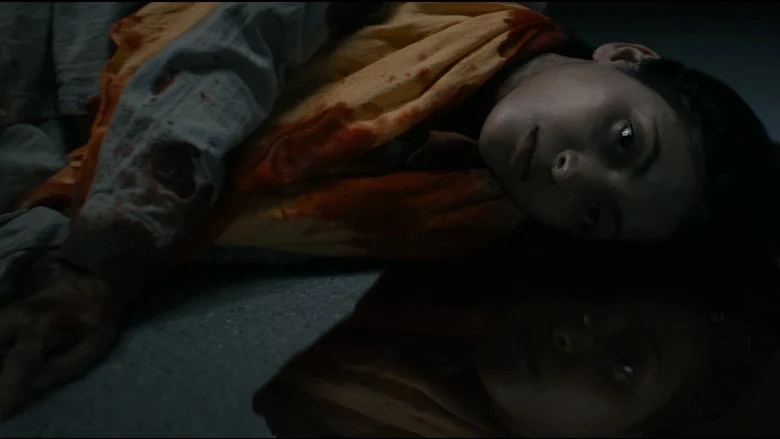
The Transformation Unfolds in Body-First Horror
Cronin stages the daughter’s metamorphosis as a slow biological corruption that respects the film’s R-rating without shying from gore. The horror here operates through intimate family geography, kitchen tables, hallways, bedrooms, where the monstrous intrudes not as alien invasion but as violation of domestic space. Each scene escalates the physical wrongness with practical effects work that suggests something genuinely unfamiliar.
The pacing of revelation matters enormously in body horror, and Cronin understands that showing too much too soon collapses the dread. What the film does withhold, direct confrontations, full revelations of what she’s become, creates more unease than any single scene could generate. The R-rating gives him room for visceral consequences without veering into torture spectacle.
This is horror built for audiences who find psychological damage more frightening than jump tactics. The family’s fractured responses to her return, denial, bargaining, slow acceptance of something grotesque, mirror grief stages reframed as body-invasion narrative. It’s a sturdy thematic spine, even if the execution doesn’t always pierce beyond its own framework.
For viewers drawn to character-centered horror over action-horror, this is the lane to watch. The film’s real strength lies in how it weaponizes domestic intimacy rather than external threat.
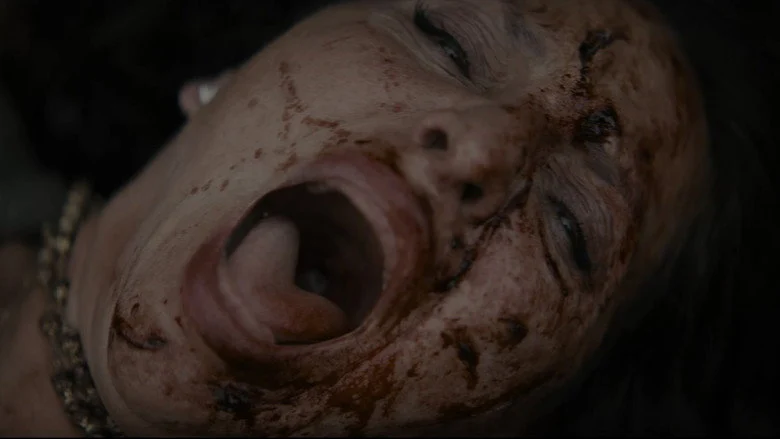
Jack Reynor Carries Paternal Collapse Without Anchor
Reynor’s Charlie Cannon grounds the narrative as the father watching his returned daughter become impossible to recognize. His performance lives in the space between refusal and acceptance, a parent trying to love something that’s no longer his child. Without detailed scene data, what registers is the emotional architecture Reynor seems to build, a man whose internal collapse must happen in micro-expressions because language fails.
The R-Rating as Artistic Statement, Not Exploitation
The film’s content warnings, gore, brief drug use, language, violent content, signal that Cronin isn’t crafting PG-13 sanitized horror. The decision to go hard on body horror distinguishes this from family-friendly creature features. Audiences expecting restraint will recoil; those seeking unflinching commitment to the premise will find it here. This is a filmmaker using his rating category as permission, not excuse.
Horror fans cognizant of Wan and Blum’s catalog know they fund bold swings. This film lands as a post-pandemic meditation on loss and biological rupture, themes that resonate differently now. For general audiences, two hours of body-horror escalation without traditional resolution might feel like artistic stubbornness. For the horror-literate viewer, it’s exactly the commitment the premise demands.
Exploring how contemporary horror balances spectacle with sustained dread becomes essential when evaluating English Mystery reviews across genres and languages.
A Premise Stronger Than Its Execution
The eight-year gap, the unexplained return, the creeping wrongness, these are the scaffolding of genuinely unsettling cinema. Cronin has built something that lingers, even when the middle section loses narrative momentum. The film’s ambition to weaponize family structure as horror delivery system marks it as smarter than standard creature-feature territory, yet the execution occasionally drifts into repetition.
This is horror for an audience that arrives prepared: viewers who understand that slow-burn dread requires patience and who find more terror in what’s suggested than what’s shown. The production values, Blumhouse and Atomic Monster backing, ensure craft quality, even when the screenplay asks the same emotional question scene after scene without new answers. Whether that repetition feels meditative or tedious depends entirely on your tolerance for sustained unease over plot momentum.
If you’re a horror viewer who still thinks about films weeks after watching, who finds body horror more distressing than jump tactics, and who trusts filmmakers to sit in discomfort without resolution, Cronin’s remake justifies its premise. Streaming will suit this film perfectly, its intimate horror works better on smaller screens in isolated viewing conditions, where the family’s private nightmare feels more invasive. Skip if you need genre catharsis; go if you’re hunting genuine unease that doesn’t apologize for lingering.
I found this film more effective as premise than payoff, a distinction that matters when audience expectations for horror have calcified around franchise comfort. Lee Cronin’s The Mummy commits to its body-horror core with enough unflinching craft to warrant the risk, earning a solid 3.5 out of 5 stars for ambition that occasionally outpaces execution.
Jana Nayagan similarly wrestles with premise corruption and creative constraint under Jana Nayagan review.
Both Bhooth Bangla and this film explore Bhooth Bangla verdict.
Ankit Jaiswal is the Chief Author, covering Indian cinema and OTT releases with honest, no-filler criticism. An SEO strategist by background, he brings a research-driven approach to film writing, cutting through hype to tell you exactly what's worth your time.