Bhooth Bangla (2026): Akshay Kumar Returns to Priyadarshan’s Haunted Comedy Formula


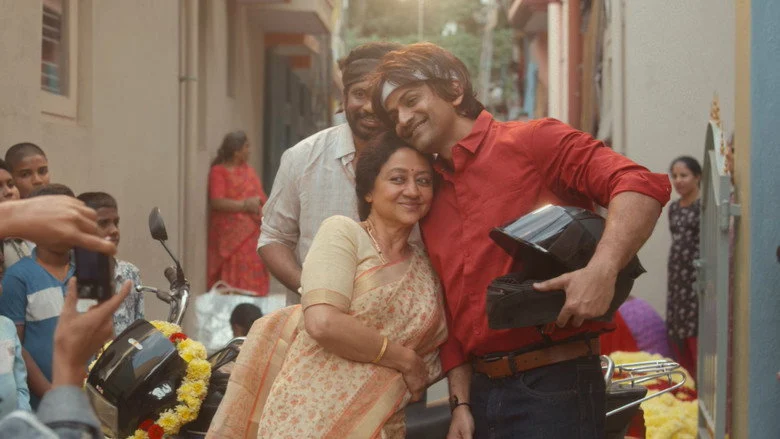
An ancestral palace draped in shadow claims no bride survives its curse. Arjun Acharya inherits this architectural nightmare in Mangalpur just as his sister’s wedding approaches, trapping the family inside supernatural chaos they never signed up for. What unfolds is a familiar dance between Kumar’s comedic timing and Priyadarshan’s knack for mining horror-comedy beats from generational trauma and family secrets.
Nearly two decades after their last collaboration on Bhool Bhulaiyaa, Kumar and Priyadarshan reunite in territory that feels both safe and obligatory. The question isn’t whether they remember how to make this formula work, they do. It’s whether doing it again, this time with a 165-minute runtime and a supporting cast stacked with Paresh Rawal, Rajpal Yadav, and Tabu, justifies another visit to a haunted mansion.
Akshay Kumar’s Performance Walks a Tightrope Between Earnestness and Parody
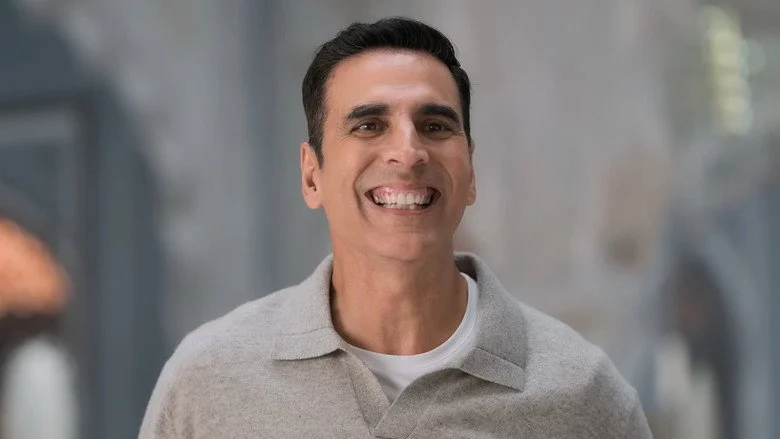
Kumar carries the film on his shoulders as Arjun Acharya, a character caught between investigating supernatural phenomena and delivering punchlines that feel simultaneously earned and desperate. His ability to anchor horror-comedy depends entirely on whether he commits to the emotional stakes of the family curse or winks at the audience. The research suggests he attempts both, which in a 165-minute runtime risks exhausting the performance before the final act lands.
Priyadarshan’s Direction Leans on Nostalgia Without Breaking New Ground
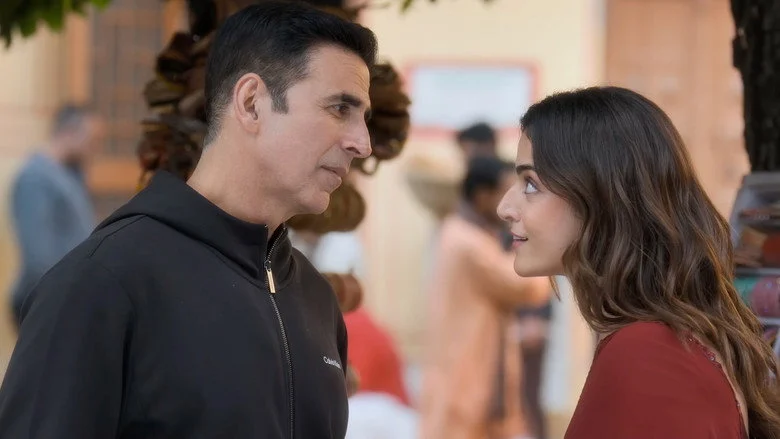
The director’s greatest strength remains his understanding of ensemble timing, how to let Rajpal Yadav and Paresh Rawal riff on comedic moments without stepping on each other. His weakness surfaces in the screenplay’s structural choices: at nearly three hours, the film stretches its central premise beyond what the plot appears to sustain. Priyadarshan hasn’t demonstrated particular innovation in blending horror atmosphere with comedy beats since his 2007 masterwork.
Horror-Comedy’s Genre Mechanics Demand Precision Pacing Bhooth Bangla Struggles to Maintain
The core craft of horror-comedy requires razor-sharp editing and tonal control. A scare must land hard enough to register as genuine threat, then comedy must undercut it quickly enough to prevent audience tension from collapsing entirely. At 165 minutes, the film invites questions about whether Priyadarshan trusted his material or simply couldn’t cut it down.
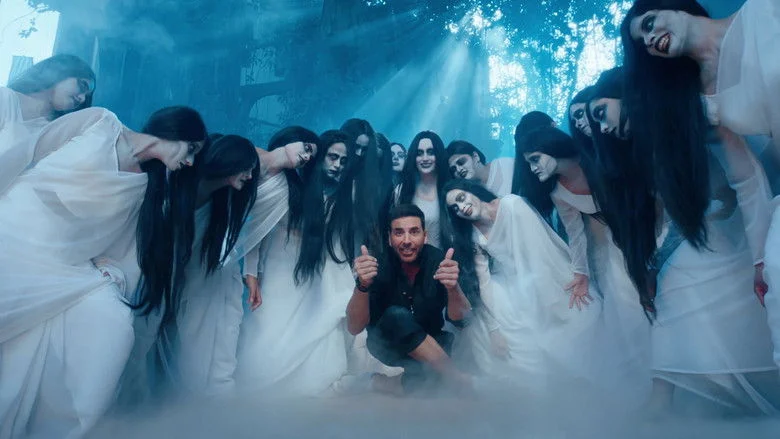
The ancestral palace setting, a space designed to embody curse mythology, becomes the film’s silent second lead. How the production designs this space, lights it to suggest both beauty and malevolence, and then demolishes those moods with comedic intrusions will determine whether the horror register reads as authentic or merely decorative. Genre execution hinges on this spatial storytelling.
The wedding sequence that triggers the supernatural outbreak functions as the film’s narrative and tonal hinge. A celebration designed to be joyful transforms into a nightmare, and the ensemble must navigate both genuine danger and darkly comic situations. Whether this sequence feels like earned escalation or contrived mayhem determines whether the genre machinery actually clicks into place.
Filmibeat’s viral review assigned the film a 4/5 rating, suggesting critics found enough in the execution to warrant engagement despite potential structural concerns. That kind of score typically signals a film that delivers its genre promise without pretending to be anything larger than what it is.
Tabu and Rajpal Yadav Anchor the Ensemble With Familiar Precision
Tabu’s presence in the cast signals the film’s intent to ground its supernatural chaos in emotional reality. Her character likely functions as the rational counterweight to Kumar’s investigative protagonist and the ensemble’s comedic excess. Paresh Rawal returns to the Priyadarshan stable, a reunion that itself carries nostalgic weight, his ability to modulate between character work and broad comedy remains reliable.
Rajpal Yadav’s inclusion feels almost obligatory at this point in Priyadarshan’s filmography, yet his timing remains impeccable. Jisshu Sengupta and Mithila Palkar round out supporting roles that the research provides limited detail about, suggesting they occupy functional rather than fully realized positions in the narrative architecture. Wamiqa Gabbi’s casting likely serves the wedding setup, though her specific dramatic arc remains unclear from available data.
No Major Controversies, But the Film Faces Audience Expectations It Inherited From 2007
The absence of political or social controversy works in the film’s favor, it arrives as pure genre exercise rather than cultural flashpoint. The real tension exists between what audiences remember about Bhool Bhulaiyaa and what Bhooth Bangla can deliver nearly twenty years later. That gap between nostalgia and present execution may prove more challenging than any external criticism.
For a Priyadarshan horror-comedy, the theatrical format matters significantly. The film’s comedy timing and horror atmosphere demand the acoustic and visual immersion a theater provides. Watching this on a smaller screen risks flattening both registers into a single tonal color. If you’re inclined toward this particular blend of supernatural chaos and ensemble comedy, the theatrical window in mid-April gives you the optimal experience, though the 165-minute runtime suggests patience will be as crucial as enthusiasm.
Bhooth Bangla succeeds as a competent resurrection of Priyadarshan’s horror-comedy formula, with Akshay Kumar delivering committed work across its considerable length, earning a solid 4/5 for those seeking familiar genre pleasures.
For more explorations of ensemble-driven narrative construction, browse our Hindi Thriller reviews to discover how different directors approach similar storytelling challenges.
Rohan Shankar’s screenplay shares the narrative layering found in Everybody Loves review, where genre mechanics serve character discovery.
Priyadarshan’s approach to balancing spectacle with story mirrors the directorial philosophy evident in Dhurandhar verdict, where craft investment can occasionally overshadow narrative clarity.
Ankit Jaiswal is the Chief Author, covering Indian cinema and OTT releases with honest, no-filler criticism. An SEO strategist by background, he brings a research-driven approach to film writing, cutting through hype to tell you exactly what's worth your time.