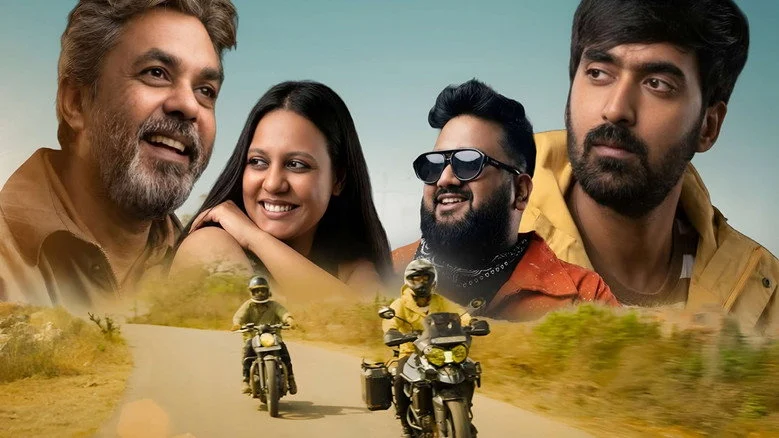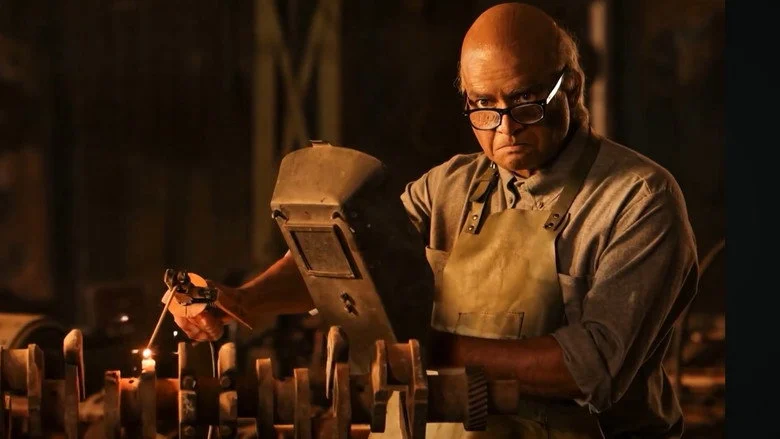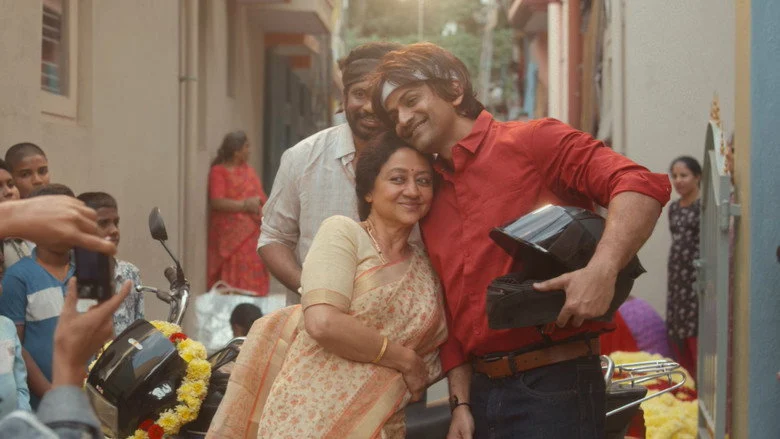
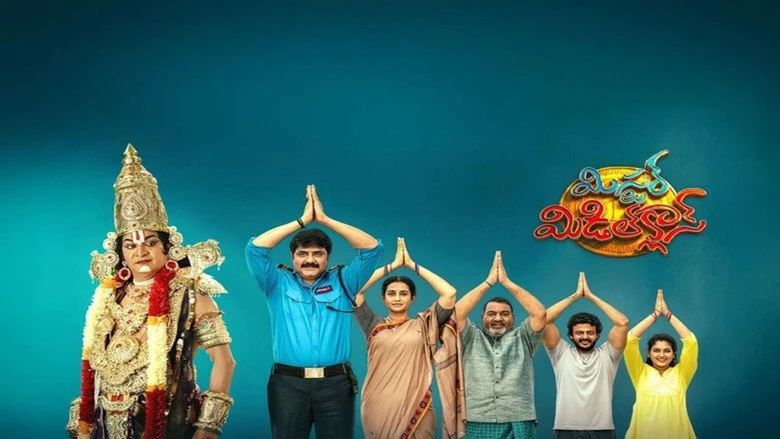
Mister Middle Class (2026): Srikanth s Restraint lands hard though the screenplay stays patchy


The middle-class man stands at the kitchen door, coffee cup frozen mid-air, as a stranger’s letter slides under the door. That moment, from G. Nageswara Reddy’s “Mister Middle Class” is a risk, it promises a disruption we’ve seen a hundred times before, and the film bets everything on whether we still care.
Srikanth’s Restraint Cannot Mask a Hollow Script
Srikanth plays the titular lead with the weary precision of a man who has memorised his own limitations. When his routine breaks, his face does not scream, it simply deflates, which is the right instinct for a character built on resilience.
But even the most controlled performance cannot compensate for scenes that feel rehearsed rather than lived. The research points to consecutive setbacks straining his resilience, but nowhere does the script let him show us something we haven’t seen in a dozen other middle-class dramas.
Reddy’s Direction Nods to the Earnest, Then Forgets the Tension
Director G. Nageswara Reddy knows the rhythms of family sentiment well, the unspoken glances, the morning arguments that say what dinners cannot. Yet his screenplay, co-written with Diamond Ratnababu, commits a fatal risk by refusing to name the antagonist’s specific actions.
It is admirable to trust the audience to infer, but “Mister Middle Class” withholds so much that the central conflict begins to feel abstract. Without a clear villainous scheme, the hero’s journey toward self-worth lacks a sharp edge to cut against.
The Drama’s Core Execution Stumbles on Its Own Safety
The film stakes its identity on the drama of everyday life, bills, family obligations, the quiet terror of a broken dream. There is a scene where the protagonist discovers what family truly means, and for a fleeting moment, the sincerity lands.
But the craft lacks the specific emotional geography that makes a drama breathe. Anji Garudavega’s cinematography frames the domestic spaces cleanly, yet never angles the camera in a way that reveals a hidden perspective on the familiar.
Sai Karthik’s music, while functional, does not heighten any of the turning points described in the research. The consecutive setbacks pile up like dominoes, but none of them arrive with the rhythmic, gut-punch pacing that turns a good dramatic scene into a great one.
Supporting Cast Signals Intent, But the Script Leaves Them Stranded
Rajendra Prasad and Sunil enter the frame like old friends with established comic and dramatic registers. The research does not specify their scenes, but their casting alone signals an intent to balance the lead’s solemnity with lived-in warmth.
However, without specific moments that let them break rhythm, both actors remain ornamental, reassuring presences who do not alter the narrative’s predictable course. Laya, as the family member, has the thankless job of being the emotional audience stand-in, and she does it with more dignity than the material deserves.
If you are in the mood for a straightforward Telugu drama about resilience, there is plenty more to explore. For the full range of similar stories, browse all Telugu movie reviews currently available.
Audience Reception Remains a Quiet Gamble
Released on July 17, 2026, “Mister Middle Class” enters a market that may have grown weary of sincere but structurally conservative family dramas. No social media sentiment or audience score is available yet, the film’s reception will hinge on whether its core theme of family vindication feels earned or merely expected.
There is no political controversy here, no censorship row to drive curiosity. The film arrives nakedly as a drama about self-worth, and it trusts that audiences are still hungry for that honest, unadorned premise.
No box office figures are available yet, but the production by Blu.j creations will likely depend on how many family audiences choose this over more genre-stacked alternatives.
I wanted to love this film for its risk in trusting the audience to fill in the blanks, but the blanks turned out to be too many and the filling insufficient. “Mister Middle Class” is not a bad film, it is a cautious one, and caution in a drama about resilience is a contradiction it never resolves.
If you are a devoted fan of Srikanth’s earnestness or a family-audience member seeking a safe, undemanding watch, the regular theatrical format will serve you well. Skip it if you need your dramas to cut deeper than a lesson on perseverance or to surprise you even once.
“Mister Middle Class” is a watch for the patient, scoring a modest 2.5 out of 5 on the risk-reward scale.
For a film that handles familial conflict with more specific narrative risk, Father s review.
For another Telugu drama where the opening sequence hints at greater craft than the full runtime delivers, see G D verdict.
Ankit Jaiswal is the Chief Author, covering Indian cinema and OTT releases with honest, no-filler criticism. An SEO strategist by background, he brings a research-driven approach to film writing, cutting through hype to tell you exactly what's worth your time.