Dhurandhar: The Revenge (2026): Aditya Dhar’s Brutal Craft Overwhelms Its Own Story


A man burns a photograph of himself and the woman he loves, not in grief, but as cold operational protocol, excising sentiment before it becomes a liability. That single image from Dhurandhar: The Revenge tells you everything Aditya Dhar is reaching for: a spy-action film where the mission does not just consume the man, it replaces him entirely.
At 3 hours and 49 minutes, this is a film that earns certain sequences and absolutely does not earn its total length. The craft is visible. So is the bloat.
Ranveer Singh as Hamza Carries the Film’s Weight, Unevenly
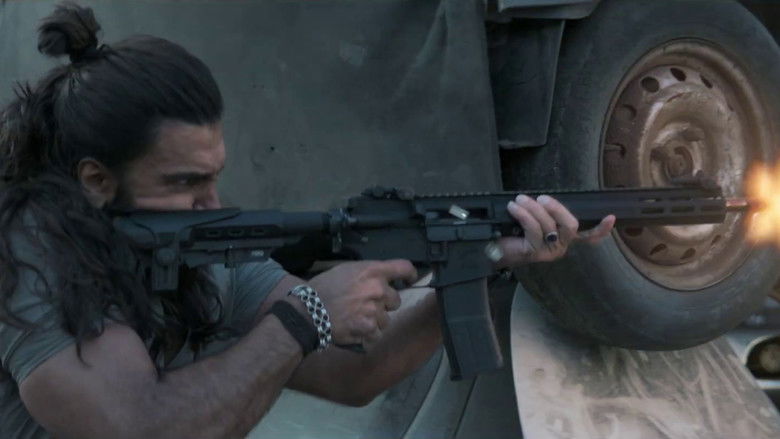
Ranveer Singh’s Hamza is built on restraint, which is either a fascinating counter-casting choice or a directorial miscalculation, depending on the scene. The moment where Hamza hands his diary to Rizwan before capture is genuinely effective. It communicates mission completion without a word of exposition.
But across nearly four hours, Ranveer is asked to sustain a cold, stripped-down register that occasionally flatlines. The performance never collapses, but it rarely ignites either. I wanted one moment where Hamza’s suppressed humanity cracked the surface, the film keeps it sealed too tight.
Dhar’s Direction Has a Strong Architecture, the Screenplay Has a Weight Problem
Aditya Dhar’s clearest strength here is spatial and moral geography. He stages Lyari, streets, gang hierarchies, corrupt officials, as a system Hamza must dismantle from within. The world feels lived-in, constructed with deliberate detail. The screenplay’s adaptation of a real figure involved in weapons and drugs smuggling in Pakistan gives the story a grim credibility.
The flaw is structural rather than conceptual. A mission that escalates into personal war requires compression at key junctures. Dhar refuses to compress. Scenes that should function as pivots become extended sequences that dilute momentum.
The core theme, that the line between patriot and monster disappears, is genuinely interesting. It deserved a tighter vessel. At this runtime, the idea is stated more than dramatised.
If Hindi spy action-thrillers with this level of production ambition interest you, Hindi Thriller reviews on this site cover the genre in depth.
Akshaye Khanna’s Major Iqbal Is the Film’s Sharpest Edge
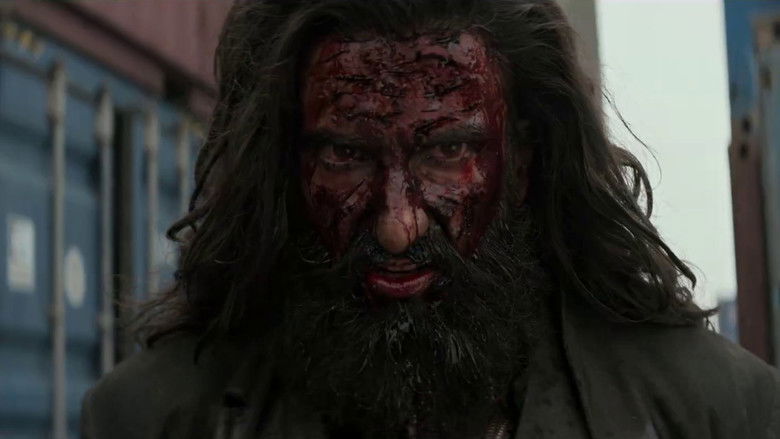
Akshaye Khanna as Major Iqbal is doing something precise and unsettling. He plays ruthlessness as bureaucratic calm, no theatrics, no raised voice. It makes him far more threatening than a conventional antagonist would be. Every scene he occupies has a different texture to it.
Sanjay Dutt and Arjun Rampal are present without being particularly deployed. The film does not give them the kind of specific moments that would make their casting feel necessary rather than decorative.
The Film Opened Big but the Propaganda Label Follows It
The opening day crossing over Rs 100 crore in India is a commercial fact that reflects genuine audience appetite for this franchise. The first week closed near Rs 150 crore net domestically, strong numbers that confirm the brand, whatever reservations critics might carry.
The propaganda criticism levelled at the film is worth engaging rather than dismissing. A spy narrative set in Lyari, framed around Pakistani gang structures and a Pakistani military antagonist, does operate within a recognisable ideological groove. Whether that groove is propaganda or simply genre convention with geopolitical texture is a question the film itself never bothers to complicate.
The Action Craft Has Genuine Ambition in Isolated Sequences
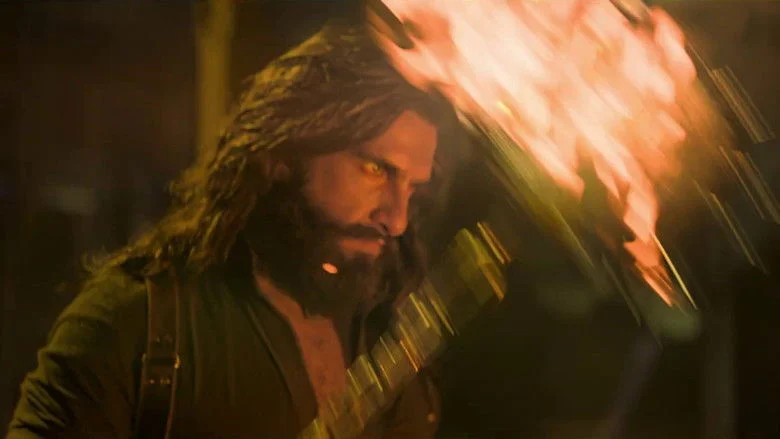
The hand-to-hand combat sequences involving Hamza establish a physical grammar for the character, controlled, efficient, designed to neutralise rather than perform. There is craft in how these sequences are choreographed as problem-solving rather than spectacle.
Uzair’s hook-chain kill of Arshad Pappu is the film’s most viscerally brutal setpiece. A chain piercing through a foot before the killing blow, it is staged with a nastiness that the rest of the film rarely matches in sheer tactile impact. It lands because it feels specific, not generic.
The larger action architecture, though, suffers from the same runtime problem as the screenplay. Setpieces that should escalate toward a clear climactic peak instead accumulate horizontally. By the third hour, even the well-staged sequences carry diminishing returns.
If you want Hamza’s mission compared against the original film’s stakes, the first Dhurandhar set a leaner baseline that this sequel deliberately departs from, for better and worse.
If a film runs close to four hours, it owes you a finale that justifies the patience. Dhurandhar: The Revenge delivers enough individual sequences to make the watch non-trivial, but not enough disciplined editing to make it essential. Watch it for Khanna’s cold-blooded precision and the Lyari world-building; endure the second half knowing the craft is there even when the pacing is not. A theatrical screen will serve the scale better than a home viewing.
If you enjoy road-trip-style ensemble action with a looser tone, Paharganj to review offers a very different kind of Hindi action energy worth tracking.
Dhurandhar: The Revenge is a film of genuine craft lodged inside a genuinely indisciplined structure, worth seeing for Aditya Dhar’s world-building and Akshaye Khanna’s controlled menace, but it earns no more than 2.75 out of 5 when measured against what its own ambition demands of it.
For Malayalam drama and thriller fare operating on tighter narrative discipline, Prathichaya 2026 verdict makes for a rewarding contrast.
Ankit Jaiswal is the Chief Author, covering Indian cinema and OTT releases with honest, no-filler criticism. An SEO strategist by background, he brings a research-driven approach to film writing, cutting through hype to tell you exactly what's worth your time.