Baby Do Die Do (2026): Nachiket Samant bites lifts key stretches, not the full runtime


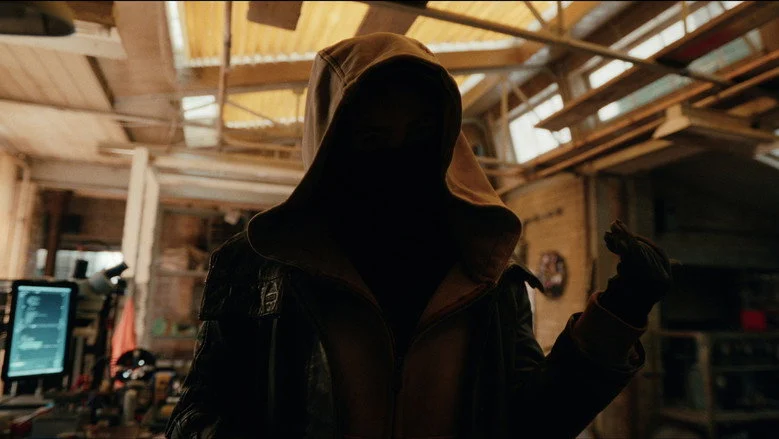
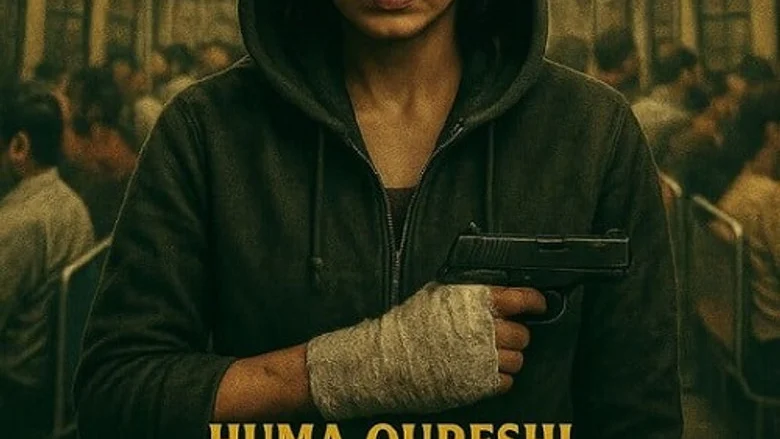
Baby KarMarKar, a deaf-mute contract killer, hovers over a target in a Mumbai hovel. As the blade does its work, she hears her dead sister’s voice whispering instructions, and the audience is split between being intrigued and eye-rolling at the deliberate, darkened stylisation. This opening beat of Baby Do Die Do tells you everything about director Nachiket Samant’s intentions: this is a mood piece, not a street-level thriller, and you should decide early whether you are in the mood for it.
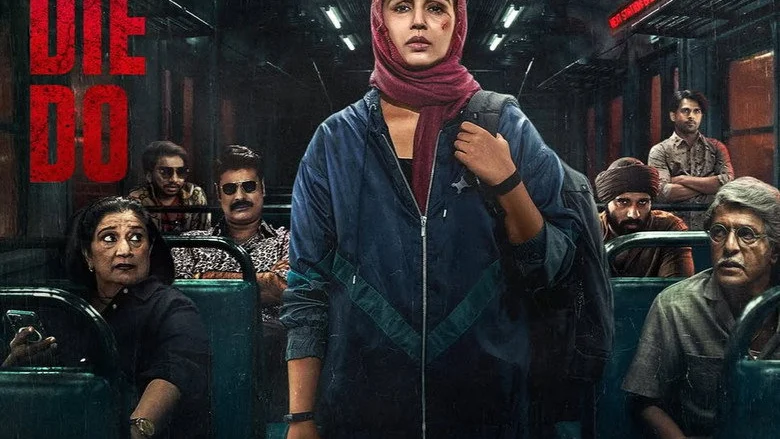
Baby KarMarKar is played by Huma Qureshi with a care that feels genuinely considered. She does not just sign her lines; she lives the silence of a woman whose only conversations are with ghosts. In the climax revelation scene, where Baby finally learns the source of her sister’s voice, Qureshi sheds years of cumulative guilt through a single held expression. That is film acting: not loud, not busy, but deeply present. The performance alone makes a case for this film’s existence.
Nachiket Samant bites off more than neo-noir can chew
Samant’s direction has an eye for shadows and rain-slicked streets, and the neo-noir palette is convincing in patches. But the screenplay, with writers still unnamed in official materials, flags badly in the second half. Pacing drags. The mystery of Baby’s sister devolves into exposition that feels less like revelation and more like patching plot holes. One strength: the non-linear structure holds attention longer than a straight line would have.
Crime-thriller craft with a dark-comedy heartbeat
The primary genre here is crime thriller, and Baby Do Die Do understands that such films live or die on atmosphere. Samant leans hard into moody lighting and muffled soundscapes, making Mumbai feel like a labyrinth of cheap bulbs and wet alleys. The background score, praised in early audience chatter, does its job, it lets silence breathe when Baby’s condition demands it, then tightens when a hit goes wrong.
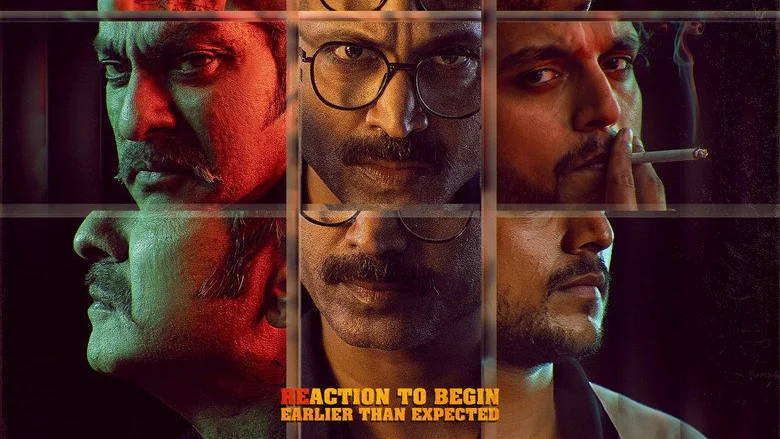
Dark comedy bleeds into the crime thriller in a way that feels organic rather than forced. Chunky Pandey’s supporting turn provides the levity, but not at the cost of tension. The problem is the antagonist: Sikandar Kher is simply underdeveloped. A villain with fewer than three memorable scenes cannot carry the emotional weight that a climax demands. The film’s craft is strong, but the antagonist is a missing gear.
The third act revelation works dramatically, the source of Baby’s sister’s voice is clever, but the path to get there is bumpy. Some audiences have called the opening murder sequence “overly stylised, ” and it is hard to argue. The same stylisation that elevates the climax undercuts the realism of the first hit. A trade-off that ultimately hurts momentum.
Supporting cast steals small moments
Seema Pahwa, as a character whose details remain under wraps, adds a layer of lived-in grief every time she appears. Her presence signals that this world runs on secrets older than Baby’s own. Chunky Pandey’s comic timing lands in a genre that usually punishes humour, he never mocks the dark tone, just illuminates its edges. Saqib Saleem and Vidya Malvade appear in what feels like truncated roles, and their inclusion hints at a larger story that was left on the cutting room floor. Himanshu Malik rounds out the ensemble without making a dent.
For those who enjoy deeper dives into emerging genre films, we invite you to browse our Hindi Thriller reviews for more analysis.
Audience reception: conflicted but curious
No major controversy has surfaced around Baby Do Die Do, which is refreshing in a Bollywood landscape that often courts political firestorms. Instead, the conversation has been about audience-fit. Positive word-of-mouth highlights Qureshi’s performance and the concept of a deaf-mute female hitwoman, a first for Hindi cinema. Complaints centre on the slower second half and confusion around the sister’s voice mystery. This is a film that rewards patience but punishes distraction.
Baby Do Die Do is not for everyone, and it does not pretend to be. If you want clear genre thrills with no ambiguity about the dead sister’s voice, you will leave frustrated. If you are willing to let atmosphere and performance carry you through structural hiccups, you will find something rare: a Bollywood crime thriller that dares to slow down and listen to its silences. Best watched in a regular cinema hall, where the sound design can breathe.
Huma Qureshi’s Baby Do Die Do is a flawed, intriguing, and occasionally brilliant experiment that earns a cautious 3 out of 5 for ambition and craft alike.
For a similarly slow-burn thriller that wrestles with psychological baggage, check out our take on Chaos Diwali review.
Lee Cronin’s The Mummy shares Baby Do Die Do’s interest in Lee Cronin verdict.
Ankit Jaiswal is the Chief Author, covering Indian cinema and OTT releases with honest, no-filler criticism. An SEO strategist by background, he brings a research-driven approach to film writing, cutting through hype to tell you exactly what's worth your time.