Irumudi (2026): A Waterfall A keeps the film tense but uneven overall


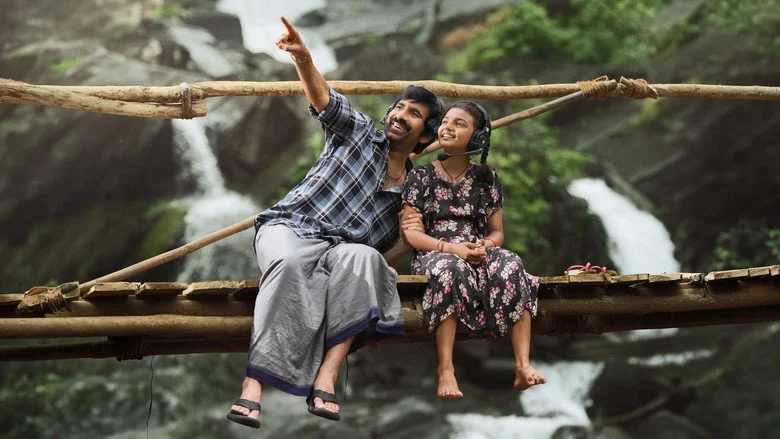
The image is deceptively serene: a man and his young daughter, living quietly beside a waterfall, the world held at bay by the sound of rushing water. Then she asks him to take the Ayyappa Deeksha, and the quiet life shatters into a collision between spiritual discipline and the violence he thought he’d buried.
This is the central tension of Shiva Nirvana’s Telugu action-drama, a film that promises a redemptive arc but must first drag its protagonist through the mud of his past.
Ravi Teja’s Discipline Is The Film’s Anchor
Ravi Teja’s role is positioned less as a mass hero and more as a man in retreat, a father whose internal conflict is written on his face before a single punch is thrown. The pre-release material suggests a performance built on restraint, a conscious pull-back from the explosive energy he usually brings to the screen.
His decision to honour the Deeksha, a vow of celibacy and austerity, creates a fascinating constraint for an action hero. The film’s drama hinges on whether his spiritual resolve can survive the physical demands of protecting his daughter.
Shiva Nirvana’s Screenplay Has A Core Flaw
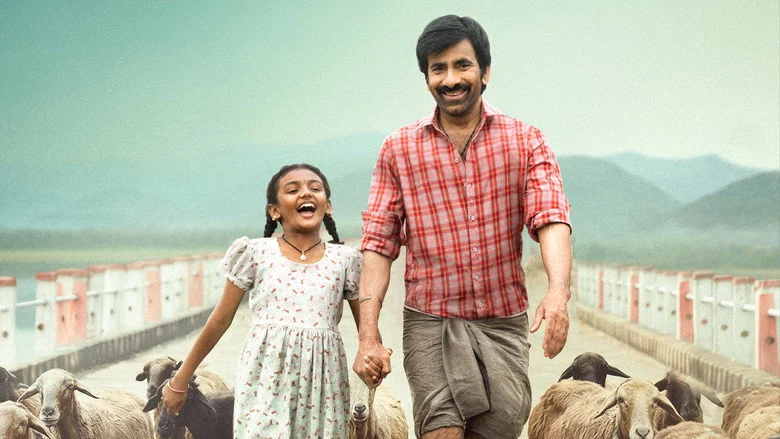
The director frames the story as a family-driven emotional drama with an action layer, and the linear structure of the synopsis suggests a straightforward, character-first approach. The central conflict, a violent man seeking spiritual redemption, is a strong hook that promises a disciplined character arc rather than a purely stunt-led spectacle.
However, the screenplay’s weakness is the absence of a clearly documented antagonist, leaving the film’s conflict dangerously internalised. Without a tangible foil, the action layer risks feeling like an obligation rather than an organic consequence of the hero’s choices.
Genre Execution: Action Wearing A Devotee’s Robe
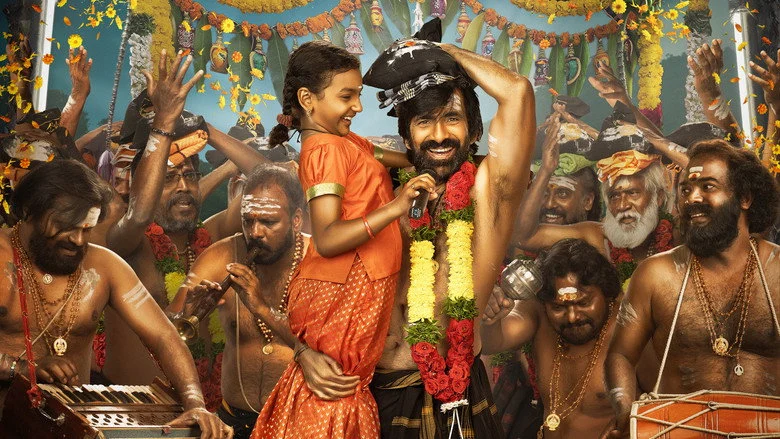
The action here is not the film’s headline; it is the price the lead character pays for his past. The premise combines physical conflict with family emotion, suggesting setpieces that are reactive rather than premeditated, driven by the need to protect rather than a desire to dominate.
The waterfall setting is the film’s visual and thematic anchor, a place of reflection that contrasts sharply with the chaos of the lead’s former life. This geography suggests a quieter, more contemplative tone for the action, where the environment itself becomes a commentary on the character’s search for peace.
The daughter-driven motivation is the engine of the plot, making every confrontation feel like a test of the father’s new-found faith. The film’s success will depend on whether these action beats feel like a violation of his vow or a necessary extension of his duty as a parent.
The Supporting Cast Carries The Emotional Weight
Priya Bhavani Shankar, as the lead’s wife Kaveri, is identified as a key emotional presence, the anchor that ties the father’s spiritual journey to his domestic reality. Her casting signals a film that wants a mature, grounded performance to balance Ravi Teja’s internal turmoil, and her role likely provides the moral compass for his transformation.
Baby Nakshathra, as the daughter, is the narrative’s catalyst, the character whose simple request sets the entire story in motion. The film’s emotional core rests on her chemistry with Ravi Teja, and her presence legitimises the father’s journey from violence to discipline. Sai Kumar and Ajay Ghosh, though lacking scene-specific analysis, are reliable character actors whose presence in the supporting cast suggests a grounded, performance-driven world rather than a purely commercial one.
For those interested in how the film’s spiritual themes compare to other recent outings, you can browse more Telugu Drama reviews on our site.
The Pre-Release Buzz And The ₹20 Cr Question
With the film not yet released at the time of this writing, the only concrete number in play is the ₹20 Cr pre-release business reported by TrackTollywood, a figure that indicates solid trade confidence in the Ravi Teja brand. The lack of a verified critical consensus means the film is being judged on its premise alone, which is both a risk and an opportunity for director Shiva Nirvana.
This is a film that will live or die on whether the audience buys the internal conflict of its lead, and whether the action feels like a natural extension of his spiritual struggle rather than a commercial compromise.
I find the premise more compelling than the execution details suggest, primarily because the idea of a violent man using a religious vow as a shield against his own nature is rich territory that Telugu cinema rarely explores with this level of seriousness.
Ultimately, Irumudi is a film for Ravi Teja fans who are willing to see their star trade swagger for introspection, and for family audiences who appreciate their action dramas with a moral spine. If you are looking for a straightforward, villain-driven action spectacle, this is not that film. See it in a regular theatrical format, where the waterfall visuals and the quieter sound design can work their magic.
Irumudi is a sincere but uneven attempt at blending faith and fury, earning a solid 3 out of 5 for its ambition even if its execution remains unproven.
For a different take on a star-driven narrative, check out Khalifa Part review.
If you prefer tighter storytelling in a smaller package, Ananya s verdict offers a more concise genre experience.
Ankit Jaiswal is the Chief Author, covering Indian cinema and OTT releases with honest, no-filler criticism. An SEO strategist by background, he brings a research-driven approach to film writing, cutting through hype to tell you exactly what's worth your time.