Toaster (2026): Rajkummar Rao’s Miser Comedy Burns Midway
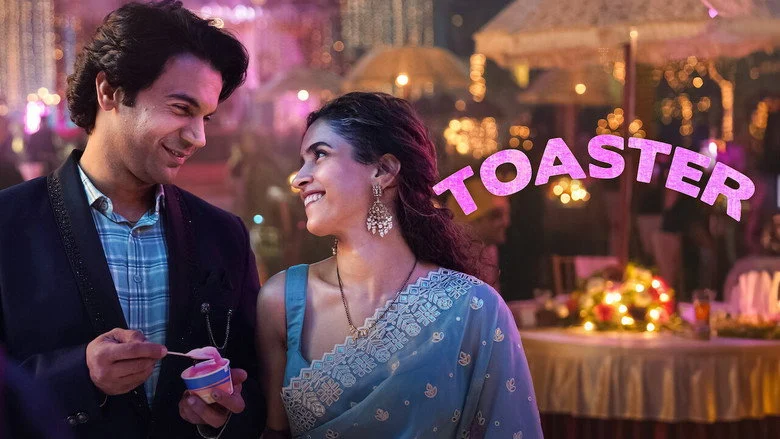
The wedding is off, the gifts are returned, and Ramakant is already calculating the loss on a toaster he may never see again. Vivek Daschaudary’s black comedy thriller opens on this miserly obsession, and for a brief, promising stretch, it feels like the most original comic engine Hindi cinema has produced in a while.
Rajkummar Rao’s Ramakant treats children as a “lifetime investment with zero returns” and chases six-rupee refunds with the ferocity of a man defending his honour. The premise is deliciously perverse, a man’s moral collapse triggered by a kitchen appliance, and the first act leans into it with genuine comic discomfort.
Rajkummar Rao’s Physical Tics Carry the Film’s Comic Engine
Rao builds Ramakant from the outside in: the nervous finger movements, the way he eyes a bill like it’s a personal insult, the barely concealed panic when someone else’s extravagance threatens his wallet. It’s a performance of small, precise choices that keeps the character watchable even when the script wobbles around him.
His scenes of obsessive bargaining and recovery attempts are the film’s lifeblood. When he finally decides to retrieve the toaster after the wedding is called off, Rao sells the absurdity with such conviction that you almost understand the logic.
This is a specific miser character, not a broad comic turn, and it’s the single most valuable asset the film has.
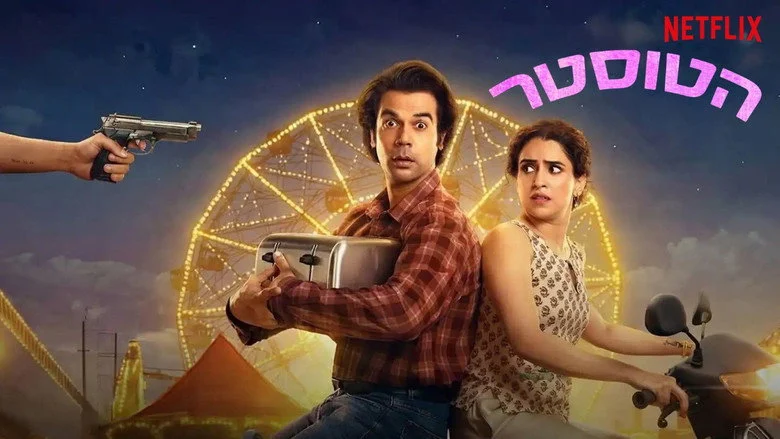
The Direction Keeps the Premise Clear but Loses Its Grip Midway
Daschaudary’s strength is in establishing the high-concept setup quickly and pushing it into increasingly absurd territory. The ordinary domestic setting, all functional furniture and middle-class anxieties, contrasts effectively against the criminal events that begin to pile up.
But the middle stretch is where the film starts to undercook. The comic-crime escalation feels half-baked, and the screenplay by Parveez Shaikh, Akshat Ghildial, and Anagh Mukherjee doesn’t fully exploit the premise’s potential. The tonal shifts between absurdity and danger land unevenly.
The second half loses momentum after a promising setup. The pacing slackens just when the chaos should be compounding, and the murder-mystery thread feels bolted on rather than organically grown from the toaster obsession.
It’s a structural problem more than a conceptual one. The idea is sharp; the execution dulls the blade.
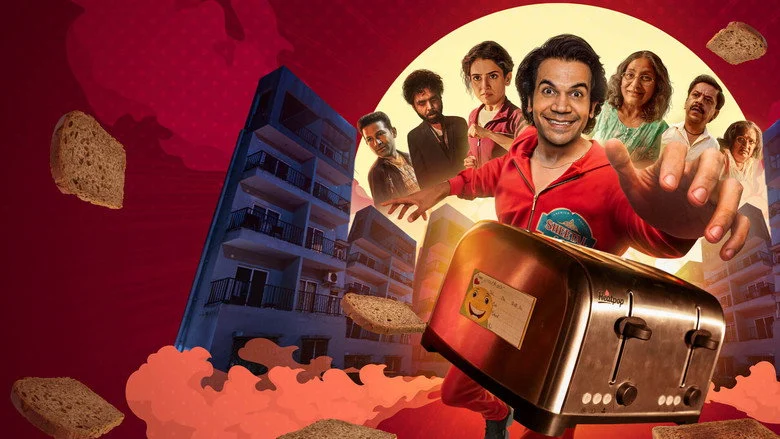
The Blackmail and Neighbour Twist Show the Film’s Split Personality
The blackmail sequence, involving a sexually explicit video, pushes the plot further into farce and crime, and it’s here that the film’s genre ambitions become clear. This isn’t a domestic comedy anymore; it’s a descent into moral rot, powered by greed and embarrassment.
The neighbour twist is the film’s most discussed moment, and rightly so. It shifts the trajectory and gives Archana Puran Singh scene-stealing material that changes the entire energy of the second half. The reveal lands with genuine surprise.
But the craft doesn’t sustain this shift. The mystery element grows from a domestic dispute into a murder-linked chain, yet the abrupt movements between comedy and danger feel less controlled than they should. The film wants to be both Ludo and Monica, O My Darling, both Rao vehicles with similar dark-comedy crime structures, but it lacks the tight execution of either.
The first half is tighter, with the obsession established quickly. The second half accumulates crime elements without the same discipline.
Sanya Malhotra Grounds the Farce While Archana Puran Singh Steals It
Sanya Malhotra’s Shilpa provides a grounded counterpoint to Rao’s mania. She keeps the domestic stakes legible amid the escalating absurdity, and her presence ensures the film doesn’t tip entirely into cartoonish territory. It’s a balancing act that requires restraint, and she delivers it.
Archana Puran Singh, meanwhile, is the revelation. Her twist-driven presence was widely noted by reviewers, and she makes the most of the material. The neighbour reveal gives her the film’s best scene, and she runs with it, a reminder that she’s capable of far more than comic relief.
Abhishek Banerjee contributes to the ensemble crime-comedy machinery, though his role is less defined in the available accounts. The supporting cast, including Seema Pahwa, Upendra Limaye, and Jitendra Joshi, fills out the world, even if the film doesn’t give them enough to do.
The audience response on IMDb (7.7) suggests genuine affection for the premise and Rao’s performance, but the complaints about pacing and tonal imbalance echo the critical reservations. The film has its fans, but it’s a film that promises more than it fully delivers.
If you’re drawn to dark-comedy crime setups with a single absurd object at their centre, there’s enough here to warrant a watch. Browse more Hindi thriller reviews to see how this stacks up against the genre’s better entries.
The Verdict: A Sharp Premise in a Blunt Package
Toaster is a film you’ll want to love for its concept and its lead performance, but it never quite earns the chaos it unleashes. The middle stretch is underdeveloped, the tonal balance is shaky, and the murder-mystery thread feels like a different film trying to break out.
Watch it for Rajkummar Rao’s miserly tics and Archana Puran Singh’s twist, they’re worth the runtime. Just don’t expect the premise’s full potential to be realised. This is a streaming release, and it’s best consumed as a weekend OTT pick rather than a must-watch.
Toaster (2026) earns a 3 out of 5 for its brave concept and Rao’s committed performance, but the uneven execution keeps it from greatness.
For a sharper take on obsession-driven crime, see how Your s review handles similar tonal risks.
Rao’s comic-crime instincts find a better vehicle in Jeevan Bheema verdict.
Toaster (2026): Rajkummar Rao’s Miser Comedy Burns Midway
Visually captivating cinematography, stellar sound design, and commanding performances.
Slight pacing drag in the second act before the climactic resolution.