Hum Angrezon Ke Zamane Ke Jailor Hai (2026): A Familiar Revenge Thriller That Never Finds Its Bite
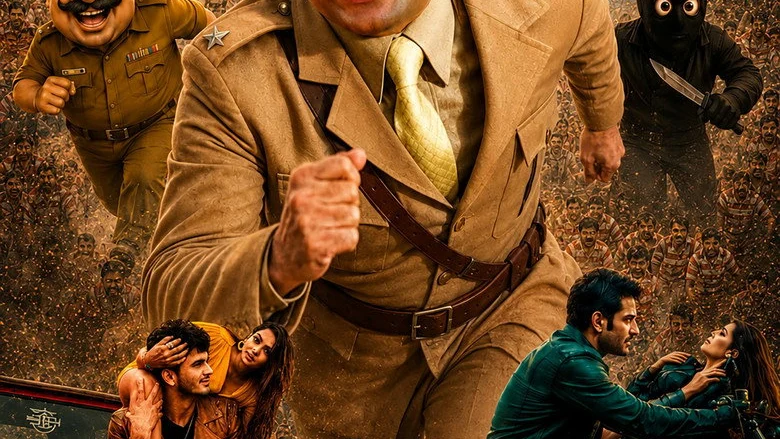
There’s a moment in Hum Angrezon Ke Zamane Ke Jailor Hai where Inspector Dev declares the film’s title with a theatrical flourish, evoking a classic era of Hindi cinema that this crime thriller desperately wants to channel. But the promise of that iconic jailor bravado dissolves quickly into a routine murder investigation that never quite earns its own swagger.
The film, which landed in theatres on 19 June 2026 with an A certificate, is a revenge-driven crime mystery that leans heavily on familiar melodramatic beats rather than the tight suspense its premise demands. What we get is a clear, understandable revenge plot wrapped in a procedural frame that fails to generate much heat.
Asrani and Bhanwar Singh Pundir: A Procedural Pair Stuck in Routine
Asrani steps into the role of Inspector Dev, anchoring the police-investigation track with the seasoned ease we expect from him. His presence signals a certain old-school gravitas, but the available coverage suggests his character functions more as part of an ensemble than as a commanding lead.
Bhanwar Singh Pundir, who also doubles as a producer, plays Inspector Rana alongside him. Their chemistry is serviceable, but the murder-investigation stretch they inhabit has been described in review coverage as routine and ineffective, which undercuts whatever energy the veteran actors bring to their scenes.
Raksha Gupta’s Monica and the Revenge Engine That Drives the Plot
Raksha Gupta plays Monica, the revenge-driven protagonist whose mother’s suicide sets the entire murder chain in motion. Her performance is the narrative engine of the film, though no source-level scene analysis isolates a standout acting moment, which suggests her work didn’t become the critical talking point the role might have demanded.
The central revenge-reveal sequence, where Monica’s motive is tied back to her mother’s death and Thakur’s earlier wrongdoing, stands as the most praised scene in the film. It’s here that the emotional stakes finally crystallize, even if the journey to get there feels longer than it should.
The Thriller Core: A Murder Chain That Never Tightens
The film employs a murder-count escalation model typical of crime thrillers, with Monica systematically targeting Thakur Vishwajeet Singh’s family members and close associates. Each killing is meant to tighten the noose, but the execution lacks the choreographic precision that makes revenge sequences land with impact.
Milind Gunaji’s Thakur functions as the main target, built around authority and family power rather than layered characterization. The investigation thread provides procedural structure, yet the available review positioning suggests the mystery setup isn’t supported by strong enough execution to sustain genuine interest.
The second half carries the murder chain and the reveal, but review coverage suggests the film loses effectiveness rather than tightening its grip. For a thriller, that’s a fatal flaw, the genre demands acceleration, not deceleration, and this one stalls at the exact moment it should surge forward.
If you’re in the mood for more Hindi thriller reviews, we’ve got you covered.
Zarina Wahab, Mushtaq Khan, and the Supporting Setup That Fades Into Background
Zarina Wahab plays Savitri, part of the central family structure targeted in the revenge arc, her role tied directly to the family-murder chain rather than any separate subplot development. It’s a functional part that gives the film some recognizable face value, though it doesn’t offer her much to sink her teeth into.
Mushtaq Khan appears as Munshi Mama, providing local color and scene support rather than major plot control. His casting signals the film’s intent to ground itself in familiar character-actor territory, even if the screenplay doesn’t give him the material to elevate the proceedings.
Reception, Box Office, and the Verdict That Was Written Early
Film Information described the film as a flop fare, and the available review coverage characterizes its theatrical run as unsuccessful. The trade publication’s assessment aligns with the general critical response, which noted the murder-investigation material as repetitive and weakly structured.
There’s a single song listed, Raat Bhar Kiya Recharge, but no reliable critical reception details accompany it. The film’s A certificate and darker thriller positioning may appeal to viewers seeking edgier Hindi content, but the thin story and weak execution reported across coverage suggest limited audience traction.
I’ll be honest, this is the kind of film that makes you appreciate how difficult genuine suspense craft really is.
For those who still want to check it out, the best format to watch Hum Angrezon Ke Zamane Ke Jailor Hai is on OTT, where the stakes of a theatrical disappointment feel less punishing. Fans of the veteran cast might find mild comfort in seeing familiar faces, but audiences expecting tight suspense should look elsewhere.
Hum Angrezon Ke Zamane Ke Jailor Hai is a revenge thriller with a clear motive and murky execution, earning a generous 1.5 out of 5 for its earnest attempts at old-school drama that never translate into effective cinema.
For a more ambitious take on revenge drama, explore our thoughts on Main Vaapas Aaunga.
If restraint in thriller filmmaking is what you seek, consider how Governor handles its slow-burn tension.
Readers looking for more hindi film reviews can explore them on Cinema & TV Journal.
Hum Angrezon Ke Zamane Ke Jailor Hai (2026): A Familiar Revenge Thriller That Never Finds Its Bite
Visually captivating cinematography, stellar sound design, and commanding performances.
Slight pacing drag in the second act before the climactic resolution.