KJQ (2026): Dheekshith Shetty’s Fire Gets Smothered by a Soggy Script
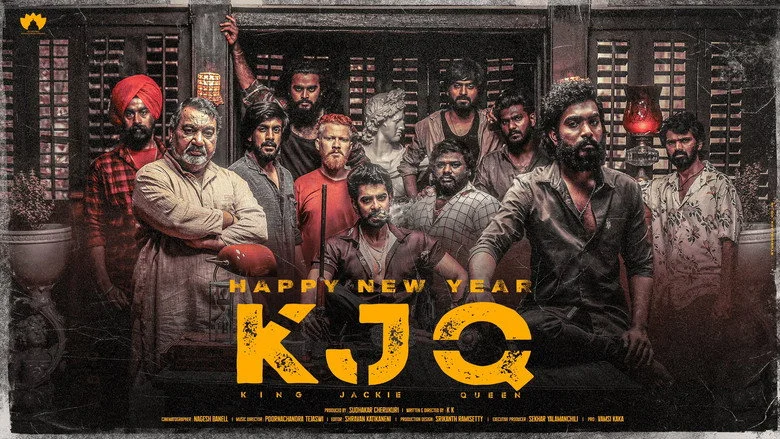
The moment Yukti Thareja’s character walks into the lives of two crime-world associates, you can feel the ground shift beneath the film’s feet, ego, loyalty, and hidden desire start colliding in ways that promise a volatile triangle. That promise, however, is exactly what director Kiran Kumar (KK) fails to cash in on, leaving Dheekshith Shetty to carry a weight the screenplay was never sturdy enough to support.
Shetty’s Solitary Battle Against the Narrative Drift
Dheekshith Shetty is the film’s only genuine pulse. His dramatic stretches, particularly the moments where his character’s inner conflict becomes visible, are the rare instances where KJQ feels like it knows what it wants to say.
He delivers the emotional weight of a man torn between criminal loyalty and personal survival, but the writing around him keeps pulling the rug. Watching him try to elevate repetitive scenes is both impressive and exhausting, an actor working overtime to compensate for a story that won’t meet him halfway.
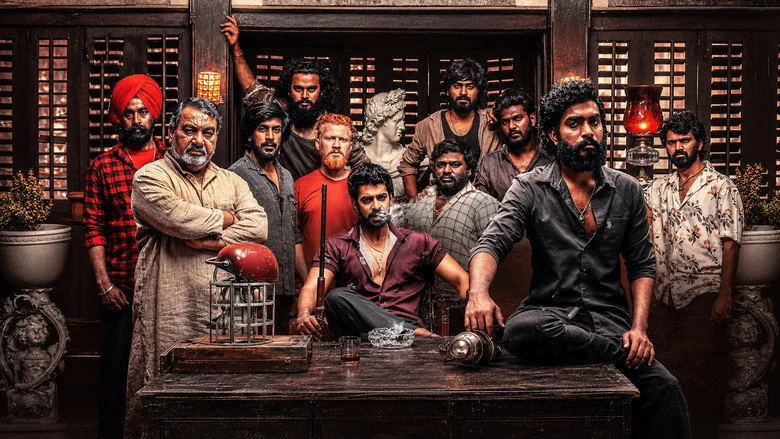
KK’s Direction: A Competent Hand, A Missing Voice
KK, in what stands as his final directorial project before his death, shows a clear understanding of how to build a crime-world premise. The opening act establishes the gangster, his friend, and the woman who disrupts their balance with credible tension.
But the screenplay fails him at every turn past the setup. The narration turns inconsistent, the second half rushes toward resolution like a man late for a train, and scenes that should land with force instead repeat the same emotional beats until they go blunt.
The Crime Triangle That Never Fully Ignites
KJQ operates as a crime drama built on interpersonal friction rather than elaborate action geography. The central conflict, a power struggle disrupted when betrayal enters the picture, is a sturdy concept that demands patient, knife-edge execution.
The film’s best scene-level moments come early: the introduction of the actress into the lives of the two men, which multiple reviews flagged as the narrative trigger. That sequence works because it lets tension breathe through glances and unspoken rivalry rather than exposition.
But the late-stage breakdown of trust between the central men, the moment that should detonate the entire film, arrives with a thud. The escalation feels rushed, the violence feels obligatory, and the emotional collapse that follows never achieves the catharsis the setup promised.
For more stories from the world of Telugu cinema, browse our Telugu Action reviews.
The Supporting Cast: Present But Underserved
Yukti Thareja occupies the film’s central relationship triangle, and her presence is meant to be the catalyst that fractures the male bond. The coverage doesn’t offer detailed scene-by-scene assessment of her work, but her casting signals an intent to ground the gangster drama in romantic tension, an intent the writing never fully honors.
Shashi Odela sits among the lead trio, though his individual scenes lack consistent critical documentation. Prudhviraj and Surekha Vani round out the supporting ensemble without leaving any verified performance footprint, suggesting their roles were functional rather than memorable.
A Death Knell at the Box Office
The film’s commercial fate was sealed early, Filmibeat reported an opening day India net of just ₹0.13 crore, and the first week total crawled to ₹0.31 crore domestically. Those numbers tell a story the reviews already confirmed: this was a film that never found its audience.
The Hindu’s assessment cuts to the bone: “Dheekshith Shetty sparkles in a crime saga with squandered potential.” Filmy Focus called it “Decent Drama With Strong Performances, ” while Krihaa News was blunter, “A Promising Idea Lost in Weak Execution.” The average critic rating of 2.25 from Filmy Focus and Krihaa reflects a film that had a pulse but never a heartbeat.
There is no political controversy attached to KJQ, but the tragedy of KK’s passing adds a melancholic layer to the film’s failures. This was a director’s final statement, and it’s hard not to wonder what he could have done with a script that matched his ambition.
So should you watch it? Only if you’re a Dheekshith Shetty loyalist willing to watch him fight uphill, or a student of crime dramas curious about a premise that never matured. This is strictly OTT material, wait for a streaming release and watch it with tempered expectations.
KJQ earns a 2 out of 5, a film that proves a strong lead can’t compensate for a screenplay that loses its way.
For another look at a performer fighting weak material, check out Korean Kanakaraju review.
And if you’re tracing how promising debuts get undermined by formula, Thudakkam verdict offers a similar lesson.
KJQ (2026): Dheekshith Shetty’s Fire Gets Smothered by a Soggy Script
Visually captivating cinematography, stellar sound design, and commanding performances.
Slight pacing drag in the second act before the climactic resolution.