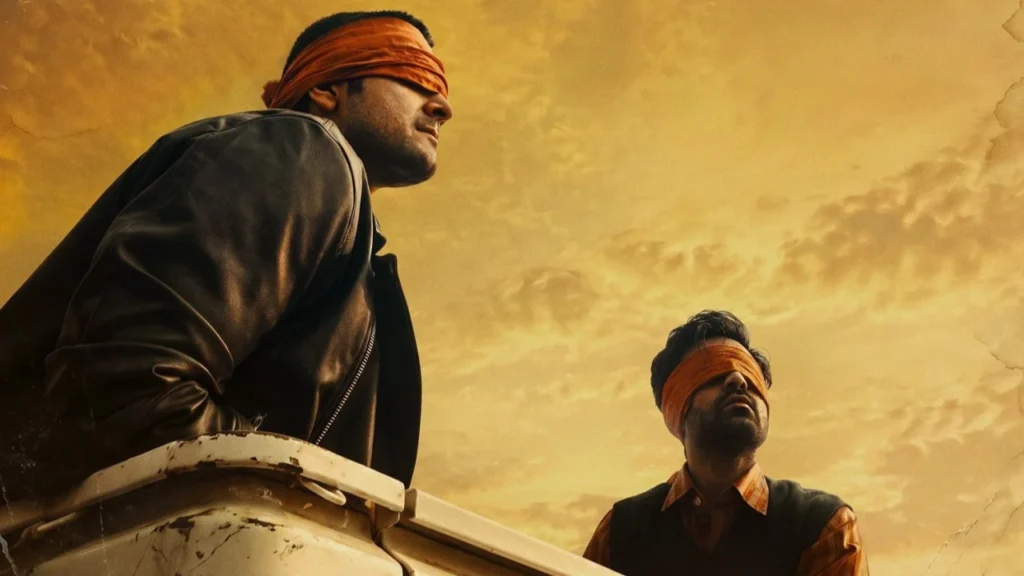
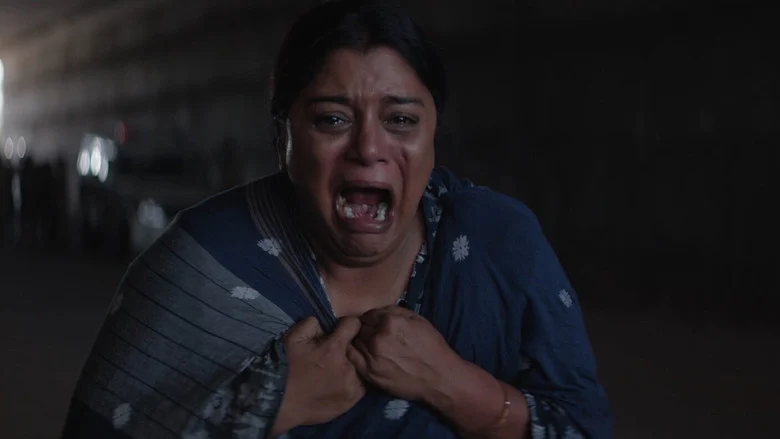
Daayra (2026): Meghna Gulzar Risks the Climax and Nearly Loses It

A police team guns down four men on the street, and by evening the crowd is throwing flowers at them. Daayra opens on that celebration and spends the next two hours quietly asking whether anyone in uniform has the right to decide what justice looks like before a court does.
Kareena Kapoor Khan’s Ajooni Never Quite Wins the Room
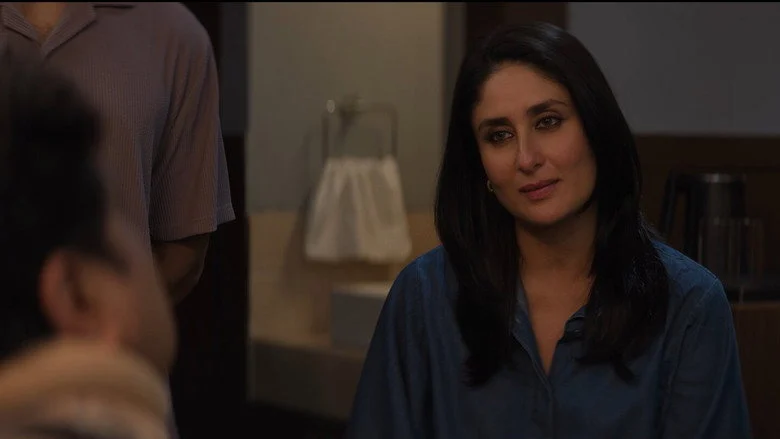
Ajooni Kohli arrives from Internal Vigilance with a rulebook and a judge for a father, and Kareena Kapoor Khan plays her with real cool. CNBC TV18 put it bluntly: Prithviraj Sukumaran outshines her outright. Some critics flagged an artificiality in her delivery that he never has.
Meghna Gulzar Trusts Silence Past the Point of Payoff
Gulzar’s strength is patience: the crime, the failed complaint, the police response, laid out in order so you feel every delayed day of justice. She refuses sensationalism, and the restraint is a choice, not a limitation. Very few Hindi filmmakers stage grief and paperwork with this much discipline.
The flaw is trusting that patience past the interval, where the second half stretches and loses its own argument. Interrogations repeat what earlier scenes established; the core law-versus-justice question gets stated rather than deepened. Bollywood Hungama’s summary, strong premise, weak climax, holds up.
That Flower-Throwing Opening Beats Every Interrogation Scene
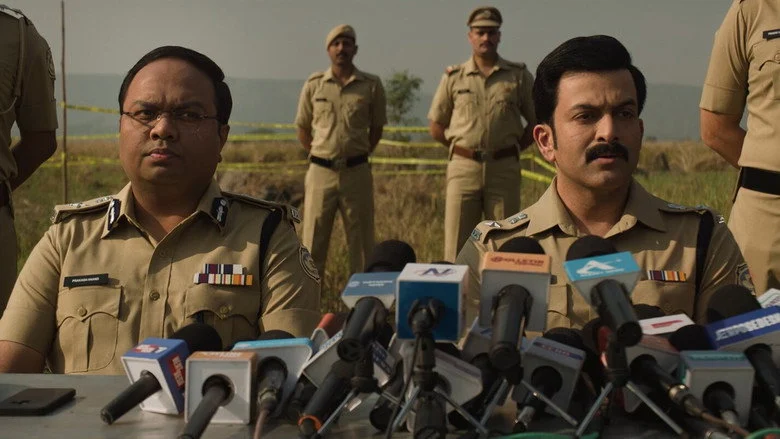
The film opens on a celebration, flowers thrown at cops who just killed four men, and that single image does more ideological work than most dialogue that follows. Gulzar refuses the easy thrill of the encounter itself. You hear about the shooting; you don’t get to cheer through it.
The genre machinery is genuinely strong: parallel investigations, an SIT interrogation room, CCTV and rear-view mirror imagery tying past to present. Prithviraj Sukumaran’s procedural passages, building the encounter step by step, are the film’s most praised stretch. Filmfare went to 4.5/5 on the strength of exactly that; Indian Express stopped at 2/5.
Then comes the confrontation, and the tension the first half accumulated quietly deflates. India Today’s 3/5 feels about right for a thriller whose ideas outrun its ending. I kept waiting for the two officers to genuinely surprise each other; the screenplay never lets them.
Readers looking for more hindi thriller reviews can explore them on Cinema & TV Journal.
If slow-burn investigations are your register, our <a href="https