The Best Thriller Movie From Every Year of the 1990s: A Genre Decade Ranked
- The Scoop: Collider has assembled a year-by-year ranking of the decade’s defining thrillers, running from Misery in 1990 through the genre’s late-90s entries.
- The Roster: The selection leans on Rob Reiner’s Misery (1990), Jonathan Demme’s The Silence of the Lambs (1991), Paul Verhoeven’s Basic Instinct (1992), and David Fincher’s Se7en (1995).
- The Dispute: Competing rankings split on the decade’s crown, Collider calls The Silence of the Lambs the strongest thriller since 1990, while ScreenRant hands the 1990s to Michael Mann’s Heat.
Collider has published a year-by-year ranking of the 1990s’ defining thrillers, opening with Rob Reiner’s Misery in 1990 and running through the decade’s closing stretch. The list is an editorial selection, not a studio slate.
What it really documents is a ten-year stretch when the thriller was the most bankable adult genre in the multiplex, and the most auteur-friendly.
A Decade When Studio Money and Director Ego Shared the Same Frame
Reiner’s Misery set the template in 1990: a two-hander about captive novelist Paul Sheldon and obsessive fan Annie Wilkes, staged almost entirely inside a snowbound house. It proved a thriller could terrify without a single explosion.
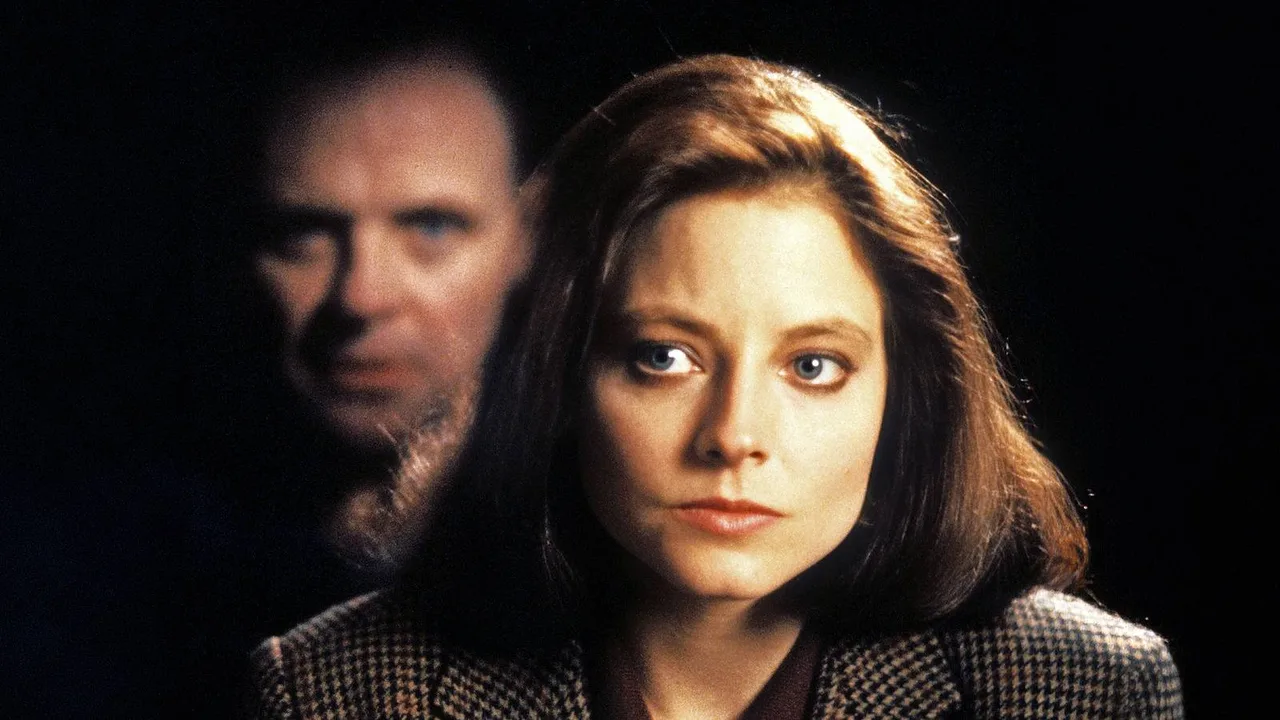
Jonathan Demme’s The Silence of the Lambs arrived a year later and swept the top five Academy Awards, an unheard-of haul for a horror-adjacent procedural. Demme’s staging (direct address to camera, claustrophobic close-ups) became a reference point for every psychological thriller that followed.
Paul Verhoeven’s Basic Instinct then weaponized erotic crime in 1992, turning adult-skewing provocation into a mass-market event. Verhoeven shot the film with a provocateur’s discipline, and the interrogation sequence alone entered the culture permanently.
David Fincher’s Se7en in 1995 pushed the genre into rain-soaked dread, with a serial-killer procedural that refused catharsis. Fincher’s control of texture and pacing made the film a visual template for the grim crime thrillers that dominated the back half of the decade.
The “Best of the Decade” Crown Is a Critical Argument, Not a Verdict
The ranking’s real friction sits at the top. Collider’s own separate ranking names The Silence of the Lambs the strongest thriller released since 1990, while ScreenRant’s decade overview hands that title to Michael Mann’s Heat.
Both positions are defensible, and neither is settled. Heat‘s downtown shootout and its two-lead architecture gave the genre a scale and melancholy that Demme’s film never attempted.
That split is instructive for anyone tracking contemporary genre experiments in the thriller space today. The “best” label has always been an editorial claim, not an industry consensus.
For programmers and distributors, the takeaway is commercial: these titles still move units on repertory screens and streaming catalogs, and their reputations are re-litigated every time a new ranking drops.
The decade’s real legacy is a template (contained locations, star-driven tension, director-forward staging) that studios still reach for whenever they want an adult thriller with awards upside.
Rankings like this one are best read as a map of that template, tracked across our theatrical release tracking as each new generation of filmmakers borrows from it.