DNC’s Shasti Conrad on Midterm Wins, Donor Fatigue and the 2028 Big-Tent Fight
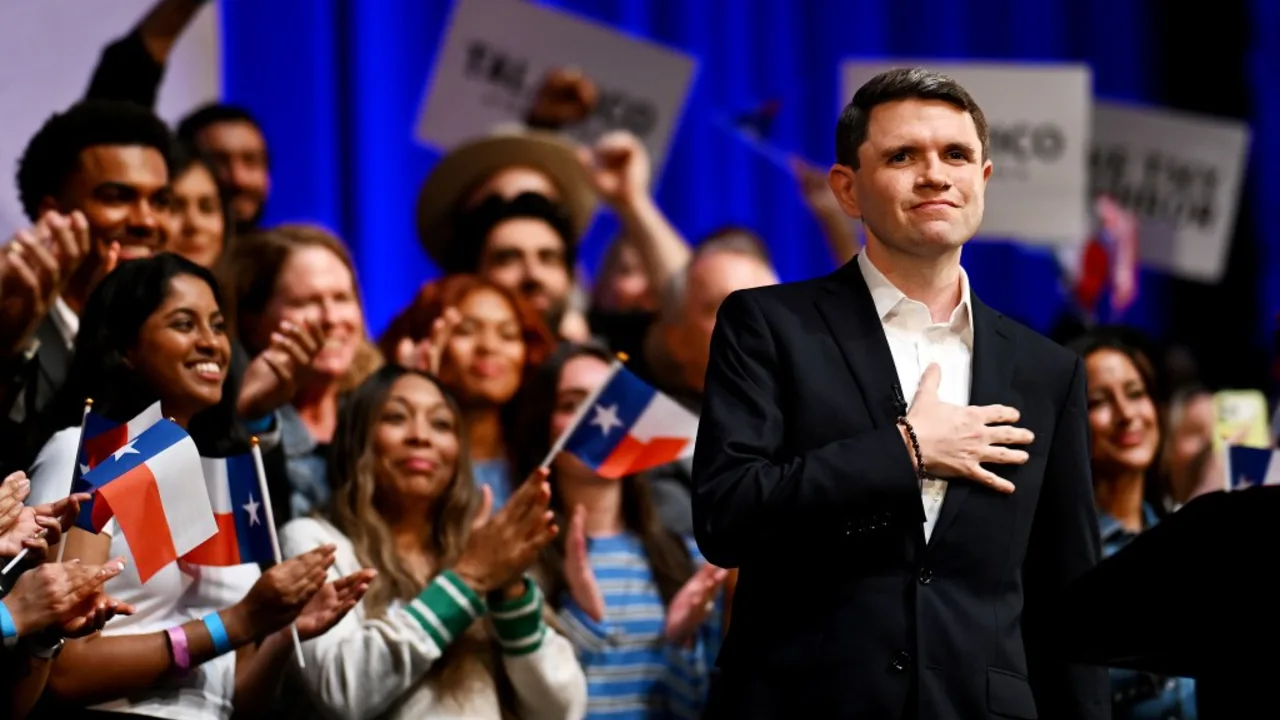
- The Scoop: DNC Vice Chair Shasti Conrad sat down with CBS News on November 4, 2026, to dissect Democratic midterm gains and the party’s road to 2028.
- Electoral Payload: Democrats reportedly seized control of both chambers of Congress in the 2026 midterms, a swing Conrad frames as a decisive verdict on the previous two years.
- Donor Math: Conrad addresses the party’s push to re-energize fatigued contributors, tying fundraising momentum directly to the 2028 nominating fight.
- Factional Warning: DNC chair Ken Martin insists the 2028 nominee must run on “a big tent approach,” rejecting a progressive-versus-moderate framing.
DNC Vice Chair Shasti Conrad took the CBS News desk on November 4, 2026, to frame the Democratic Party’s midterm sweep as a mandate and to map the 2028 nominating fight ahead of a restive donor class.
Democrats reportedly captured both the House and Senate, a result Conrad casts as the clearest signal yet that voters rejected the alternative outright.
Reading the Wave: How a Midterm Sweep Resets the Party’s 2028 Calculus
The midterm outcome handed Democrats unified control of Congress, a swing that reshapes the party’s internal power map heading into the next presidential cycle.
Conrad’s read on the result centers on turnout and coalition breadth rather than any single faction’s dominance, a distinction that matters as the 2028 field begins to take shape.
DNC chair Ken Martin has been equally direct about the stakes, describing the cycle as a verdict on who fights for working households.
“This was a change election, and Americans sent a very clear message that they’re looking for leaders who are fighting for them, not just the wealthy and well-connected.”, Ken Martin, DNC chair
Donor Fatigue Is the Real Battleground, Not the Primary Calendar
Conrad’s segment lands on the party’s most urgent operational problem: re-engaging contributors who burned out across consecutive high-dollar cycles.
Rebuilding that donor pipeline is less about spectacle and more about sustained small-dollar infrastructure, the kind of grind that decides which campaigns survive past Iowa.
Martin has framed the tent as deliberately wide, arguing there is “no one way or one stripe of being a Democrat.”
That posture is a direct rebuttal to activists pushing an ideological litmus test on the 2028 field.
Why 2028 Shouldn’t Be Staged as Progressive Versus Moderate
Conrad’s core argument rejects the binary that cable panels love and primary voters rarely reward.
Martin has said the eventual nominee will need to adopt “a big tent approach,” a line that reads as a preemptive warning to factions plotting an early purge.
The strategic bet is simple: coalition arithmetic beats purity contests in a general election, and the midterm results offer the party its strongest evidence yet.
For operatives tracking the cycle, the message discipline is already visible across our political and trade wire desk coverage of the post-midterm realignment.
The Money and the Map: What the Sweep Actually Buys Democrats
Unified congressional control hands Democrats the gavels, the subpoena power, and the legislative calendar, three levers that shape donor confidence far more than any speech.
Conrad’s appearance functions as an early closing pitch to contributors who wrote checks in 2024 and went quiet afterward.
The party’s next test is converting midterm momentum into a 2028 infrastructure build, and the donor reactivation effort is the first measurable benchmark.
Every week spent relitigating progressive-versus-moderate is a week not spent on the turnout machinery that delivered the sweep in the first place.