Russell Brand Convicted: Inside TV’s Protection and Exposure
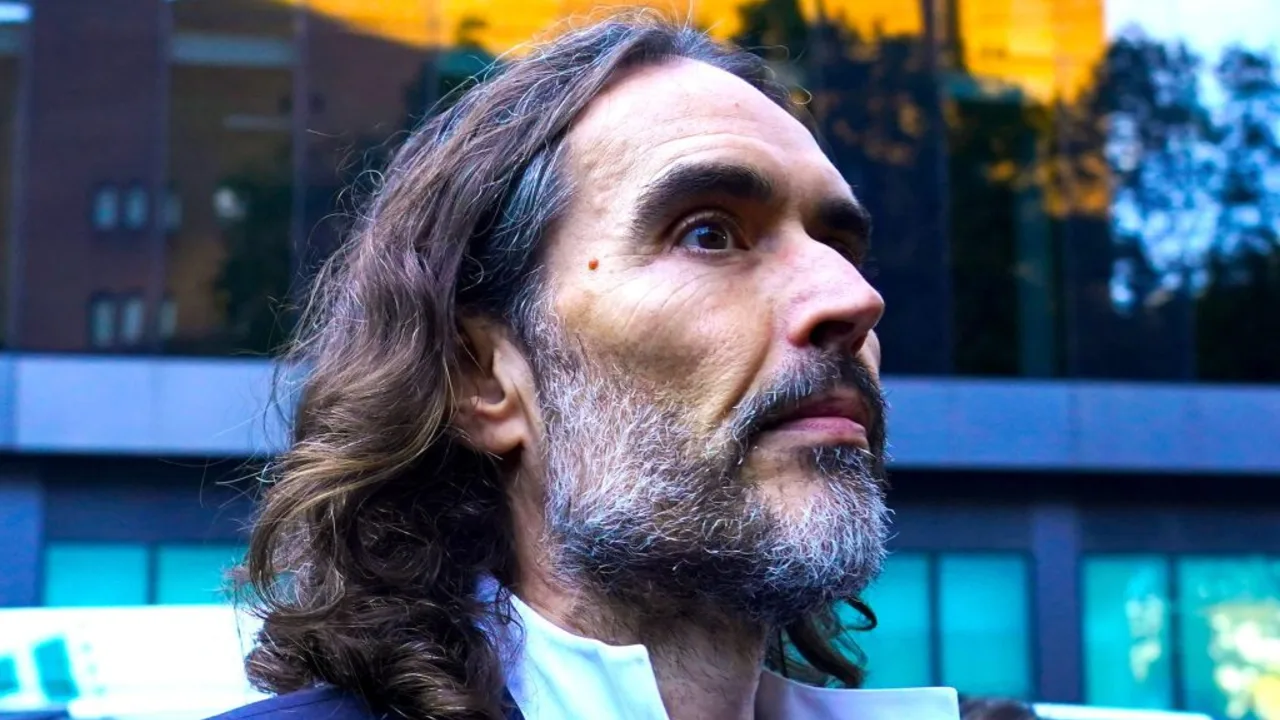
- The Verdict: Russell Brand was convicted at Southwark Crown Court of one rape and three sexual assaults following a month-long trial.
- The Institutional Record: Four of the six complainants worked in television or radio, and a former Channel 4 employee testified she feared being “seen as trouble.”
- The Reckoning: The case stands as the first major #MeToo criminal trial tied to the British television industry, with a BBC review finding staff felt unable to raise complaints during his 2006, 2008 tenure.
Russell Brand was convicted of one rape and three sexual assaults at Southwark Crown Court, closing a case that put British television’s backstage culture on the stand alongside him.
The verdict caps a month-long trial and a broader three-week evidentiary phase, with Brand cleared of two rape charges and one attempted indecent-assault charge.
A Verdict That Puts British Television’s Gatekeepers on the Stand
The offenses date to 1999, 2009, the exact window when Brand’s television and radio career detonated across Channel 4 and BBC airwaves.
Prosecutors branded him “ruthless and calculated” and “a sexual predator,” language that reframed a decade of broadcast ubiquity as a cover operation rather than a career arc.
His defense countered that he was not “some kind of psychopath who rapes people and thinks it’s normal,” a strategy that leaned on consent claims the jury ultimately rejected on four counts.
Four of the six women who filed police complaints worked inside television or radio, meaning the industry was not adjacent to this story, it was the workplace.
Complaints Ignored, Then Broadcast: The Industry’s Contradictory Record
A former Channel 4 employee testified she feared being “seen as trouble,” adding flatly that “the media industry protects its own.”
That testimony lands with particular weight given what followed: the BBC’s own review of Brand’s 2006, 2008 employment found staff felt unable to raise complaints about his conduct.
Yet Channel 4 also co-produced the 2023 Dispatches investigation with The Sunday Times that brought the allegations into public view and pushed six complainants to police.
The same institution that allegedly shielded a rising star later helped dismantle him, a contradiction the trade entertainment wire desk has tracked across similar institutional reckonings.
Brand pleaded not guilty throughout and maintained his sexual encounters were consensual; the jury’s verdict on four counts settled the question the courtroom was convened to answer.
Why This Trial Matters Beyond One Career
This is the first major #MeToo criminal trial involving the British television industry, and its evidentiary record now functions as a de facto audit of mid-2000s commissioning culture.
Unlike the scripted commemorations and packaged retrospectives that dominate contemporary event programming, this proceeding offered sworn testimony rather than curated narrative.
The commercial stakes for British broadcasters are reputational and structural: talent pipelines, duty-of-care protocols, and whistleblower channels are now under scrutiny in a way no internal review has forced before.
Brand’s conviction ends the criminal question. The institutional question: who booked him, who ignored the warnings, and who profited, remains the industry’s to answer.