Jon Bernthal’s The Punisher Season 1: Why the 13-Episode Marvel Run Still Hits
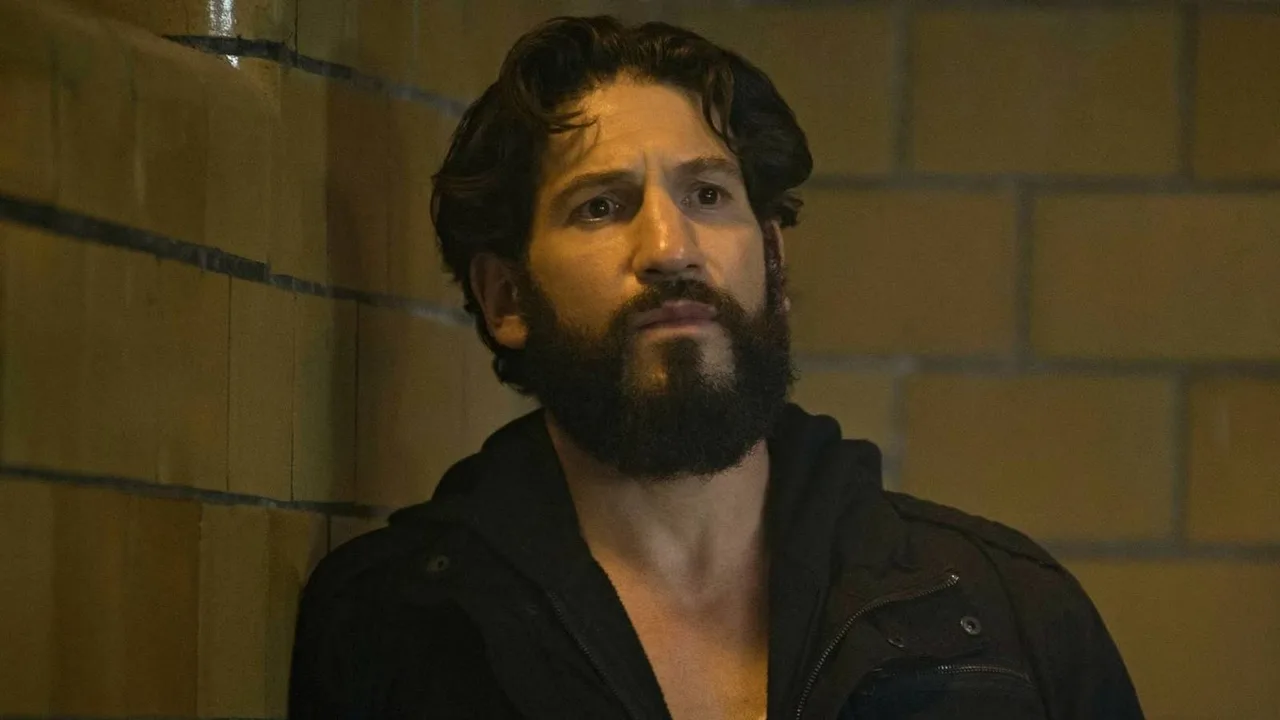
- The Scoop: Marvel Television’s The Punisher Season 1, a 13-episode Netflix run led by Jon Bernthal as Frank Castle, remains the definitive screen treatment of the character.
- Ensemble Depth: Ebon Moss-Bachrach’s Micro, Ben Barnes’s Billy Russo, and Amber Rose Revah’s Dinah Madani give the season a genuine dramatic spine beyond the body count.
- Franchise Stakes: The series ran two Netflix seasons before cancellation, and Bernthal’s Frank Castle now returns opposite Charlie Cox in Marvel’s Daredevil: Born Again.
Jon Bernthal’s Frank Castle remains the most complete performance in Marvel Television’s Netflix era, and The Punisher Season 1 is the 13-episode argument for it.
The season built its reputation on a revenge architecture that never flinched from the cost of violence, and that reputation has outlasted the platform that launched it.
Grief as Ammunition: Why Frank Castle’s Origin Still Cuts Deeper Than Rival Revenge Sagas
The premise is brutal in its simplicity: a family annihilated, a Marine left with nothing but a war he never finished. What separates the season is its refusal to treat that loss as a launchpad for spectacle alone.
Moss-Bachrach’s Micro surfaces as the season’s unlikely engine, revealing that the Castle family’s deaths trace back to fallout from Frank’s Afghanistan deployment. The conspiracy widens the frame from personal vendetta to institutional rot.
That structural choice gives the 13 episodes a genuine investigative throughline, echoing the kind of grounded conspiracy escalation seen in recent action-driven theatrical releases that pair muscle with narrative machinery.
Bernthal plays Castle as a man running on fumes and fury, never a superhero. The performance anchors every escalation in something recognizably human.
Billy Russo and the Villain Problem: How a Strong Antagonist Lifted the First Season
Ben Barnes’s Billy Russo gave the season its most elegant piece of casting. The character’s polished surface and buried cruelty created a mirror for Castle’s own fractured identity.
Paul Schulze’s Agent Orange and Daniel Webber’s Lewis Wilson round out a rogues’ gallery that operates on different registers of corruption, corporate, military, and domestic radicalization.
The season’s second year drew criticism for thinner antagonists and uneven plotting, which only sharpens the case for the first as the high-water mark.
Amber Rose Revah’s Dinah Madani and Jason R. Moore’s Curtis Hoyle supply the moral counterweight, keeping the narrative from collapsing into pure nihilism.
From Netflix to Born Again: Why Bernthal’s Castle Still Matters to Marvel’s Slate
Bernthal’s return as Frank Castle in Marvel’s Daredevil: Born Again alongside Charlie Cox, Krysten Ritter, and Vincent D’Onofrio signals that the streamer-era character work still carries weight.
The revival strategy treats those Netflix seasons as foundational text rather than discarded continuity, and Bernthal’s casting is the clearest evidence of that calculation.
For audiences tracking how legacy characters get repositioned, the revival is monitored across our trade entertainment wire desk as one of the more consequential continuity bets in the current Marvel calendar.
The commercial math here is straightforward: a 13-episode season that turned a supporting Daredevil player into a standalone lead is exactly the kind of asset a studio wants to reactivate rather than rebuild from scratch.
That is the real legacy of Season 1, not just a complete story, but a proof of concept that a grounded, unsparing character study could hold a season together without a cape in sight.