Meta Deletes Russell Brand’s Instagram and Facebook After Rape Conviction
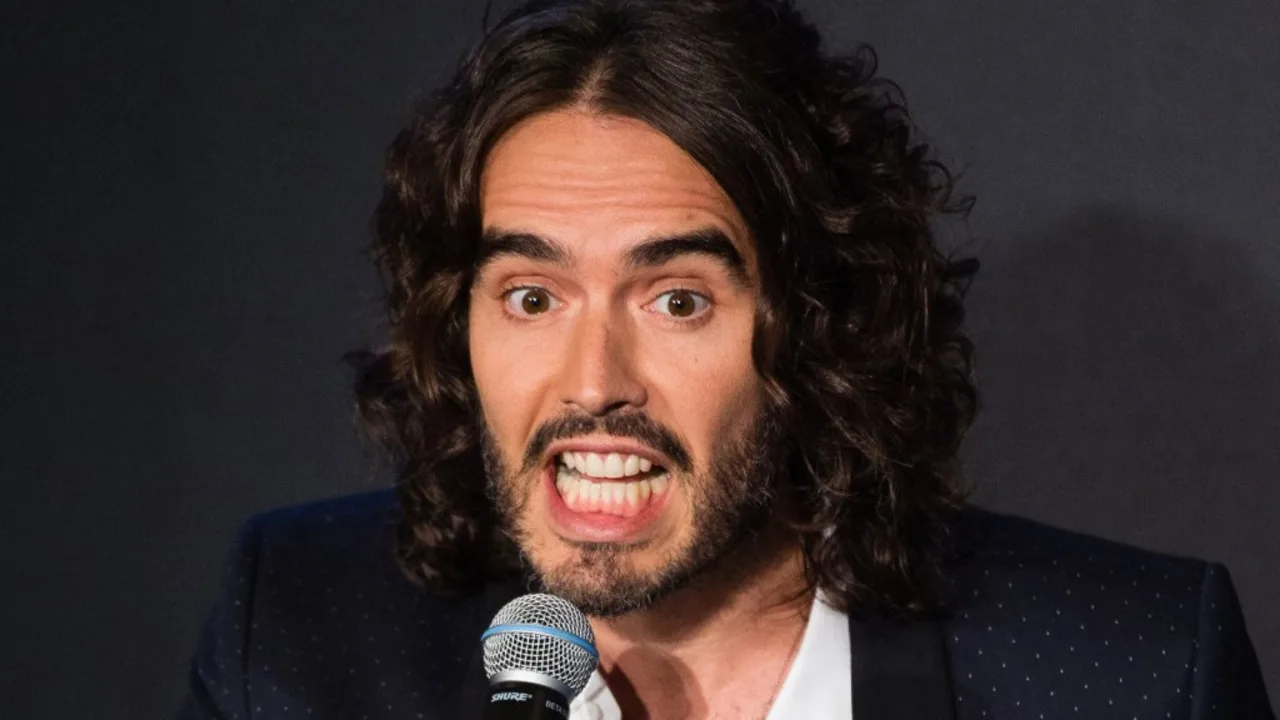
- The Scoop: Meta disabled Russell Brand’s Instagram and Facebook accounts after his U.K. conviction for rape and sexual assault, with the comedian confirming the takedown via his X account.
- The Sentence: Brand received 10 years and six months following conviction on one count of rape and three counts of sexual assault in London.
- The Platform Split: Brand’s X account, carrying roughly 10 million followers, remains live even as Meta’s enforcement removes his largest distribution channels.
Meta has disabled Russell Brand’s Instagram and Facebook accounts, with a company spokesperson stating the comedian’s presence “violates our policies.” The takedown landed Wednesday, days after Brand’s conviction and sentencing in London.
Platform Enforcement Meets a Post-Conviction Reckoning
The account notice surfaced through Brand’s own X feed, where he posted the enforcement message to his remaining audience. Meta’s system flagged the account automatically before the removal was finalized.
“We disabled your account,” the notice read. “Our technology found your account, or your activity on it, doesn’t follow our rules.” The language is standard moderation boilerplate, but the timing is not.
Brand was sentenced to 10 years and six months after conviction on one count of rape and three counts of sexual assault. The criminal outcome preceded Meta’s action by roughly a week.
Meta’s separate page notice was blunter: “We suspended your page. This is because Russell Brand goes against our community standards.” Two notices, two enforcement tracks, one coordinated outcome.
The X Exemption: Why One Platform Still Carries Him
Brand’s X account, with approximately 10 million followers, remains active and served as the venue for his response. That asymmetry now defines his digital footprint.
Meta’s removal strips Brand of Instagram and Facebook, the two channels most directly tied to monetized audience reach. X functions as a broadcast megaphone, not a commerce engine.
For talent whose livelihood once ran through brand deals and platform partnerships, losing Meta’s surfaces cuts deeper than losing a single feed. The enforcement effectively severs his commercial infrastructure.
The wider industry has watched platform moderation become a de facto career gatekeeper, a dynamic tracked across our trade entertainment wire desk as studios recalibrate talent risk.
What the Takedown Signals for Talent Risk and Studio Calculus
No film or television project is attached to this story, and none is needed to read the signal. A conviction of this magnitude now triggers platform enforcement before any studio announcement.
Meta moved on policy grounds, not legal ones, which means the takedown required no court order and no public campaign. The company’s automated systems and community standards did the work.
That speed matters for an industry where casting decisions and distribution deals hinge on public sentiment. Platforms are now acting as the first filter, ahead of agencies and buyers.
Brand’s case sits apart from the theatrical churn of contemporary action releases, yet it carries the same underlying question of who gets a platform and on what terms.
The commercial math is unforgiving: with Instagram and Facebook gone, Brand’s remaining reach is a single text-first channel with no built-in monetization. Meta’s enforcement didn’t just remove posts, it removed the storefront.