Shane Gillis Addresses SNL Monologue After “No Controversy” Promise
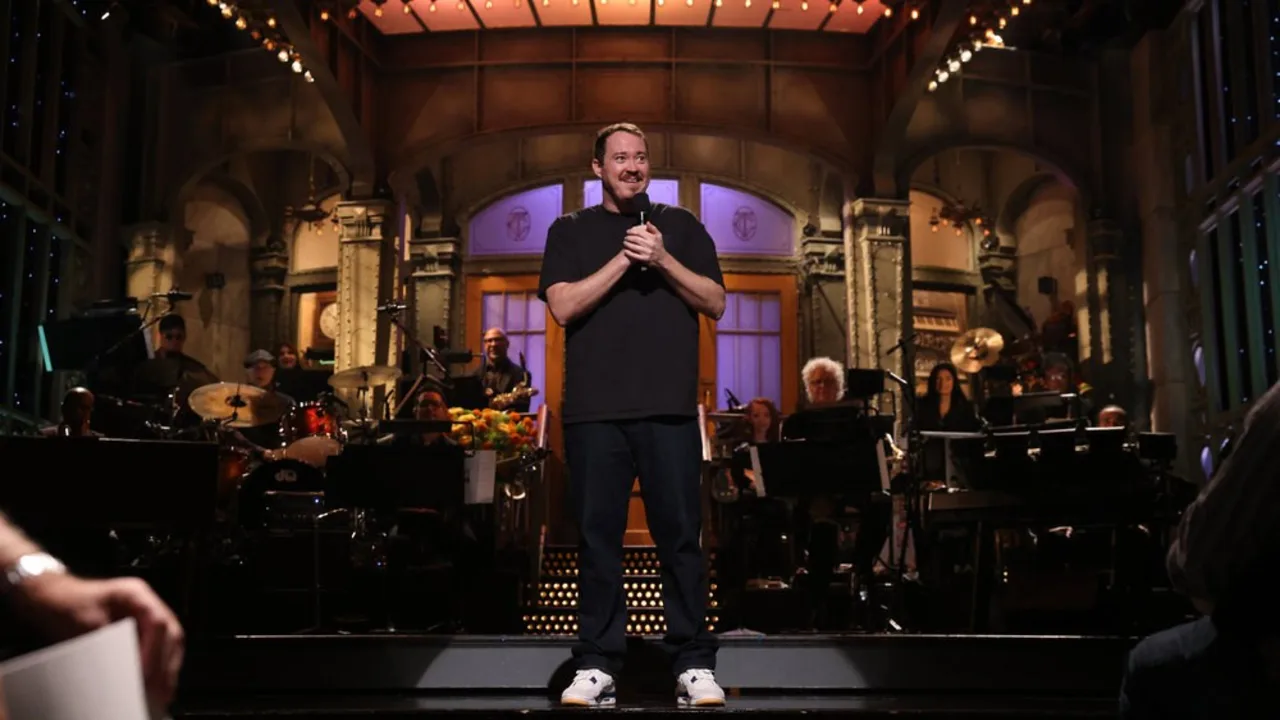
- The Scoop: Shane Gillis returned to Studio 8H on Oct. 10, 2026, for his third “Saturday Night Live” hosting stint and immediately addressed the backlash over his monologue.
- On-Air Fallout: The set drew fire for a gym-attire joke about women’s workout clothing and an F-bomb delivered live, which Variety flagged as contrary to NBC broadcast guidelines.
- Industry Reaction: Dan Levy, Martha Plimpton, Kathy Griffin, Ego Nwodim, and Cecily Strong publicly criticized the material, turning a comedy booking into a live-television flashpoint.
Shane Gillis walked into Studio 8H on Oct. 10, 2026, for his third “Saturday Night Live” hosting turn and opened by addressing the firestorm his monologue had already ignited. The comedian framed the routine as a “C-minus” effort with a promise attached: “no controversy.”
“Fellas, I’m giving you a solid C-minus of a monologue, but I promise there’s no controversy. I’m calling myself fat, for f—ing 10 minutes.”, Shane Gillis, host, “Saturday Night Live”
The Promise That Collapsed: How a Self-Deprecating Set Became a Live Broadcast Flashpoint
Gillis built the monologue around his own weight-loss efforts, gym culture, solo hiking, Joe Rogan’s sauna, and Theo Von. The self-deprecating frame was the entire architecture of the set. Then came the gym segment.
“I haven’t been to the gym in so long, I didn’t know women just dress like whores now?” Gillis said during the broadcast. He followed with a half-step back: “Look, I’m sorry. There’s no other way to describe it.”
The line landed on live television with no delay cushion, and the reaction was immediate across social platforms. The episode also carried an F-bomb on air, which Variety reported as contrary to NBC guidelines. That combination turned a comedy booking into a compliance problem for the network.
Gillis later addressed the fallout on “The Joe Rogan Experience,” where he pushed back on the idea that the show greenlights material. “Not to defend ‘SNL,’ they don’t ‘approve’ it,” he said, drawing a line between network oversight and the host’s own material choices.
The criticism arrived from inside the industry as well as outside it. Dan Levy, Martha Plimpton, Kathy Griffin, Ego Nwodim, and Cecily Strong all weighed in publicly, a roster that spans former cast members and comedy peers. That cross-section matters: pushback from “SNL” alumni carries more weight than general audience complaints.
Third Time in Studio 8H: Why NBC Keeps Handing Gillis the Live Microphone
This was Gillis’ third hosting appearance, a booking pattern that reflects his pull with a specific, loyal audience rather than broad mainstream appeal. NBC has repeatedly bet on that draw despite the risk profile.
Live comedy is the one format where a host’s material cannot be edited after the fact, and the network knows the trade-off going in.
The episode’s structure followed the standard “SNL” template: monologue, sketches, musical guest, goodnights. The disputed material sat squarely in the monologue, the segment most tightly identified with the host’s own voice and least subject to cast or writer intervention.
For NBC, the calculus is familiar: a host who generates conversation generates ratings, and ratings are the currency of a late-night franchise in its sixth decade. The network and “SNL” had not publicly commented in the immediate coverage, leaving the on-air material to speak for itself.
Comedy that provokes this kind of split reaction fits a broader pattern across the industry, echoing the friction around contemporary comedy releases that test audience tolerance for edgier material. The difference here is the live factor: there is no post-production safety net.
The episode will be monitored across our trade entertainment wire desk as NBC weighs its next hosting bookings. For a franchise built on live risk, the question is not whether the monologue crossed a line but whether the line still draws an audience.
The commercial math favors Gillis for now: a host who delivers a “C-minus” monologue and a week of headlines is, from a booking standpoint, doing exactly what the show pays for. Whether NBC’s standards department agrees is a separate ledger entirely.