Blade Runner 2099: Ridley Scott’s 8-Part Prime Video Sequel Takes Shape
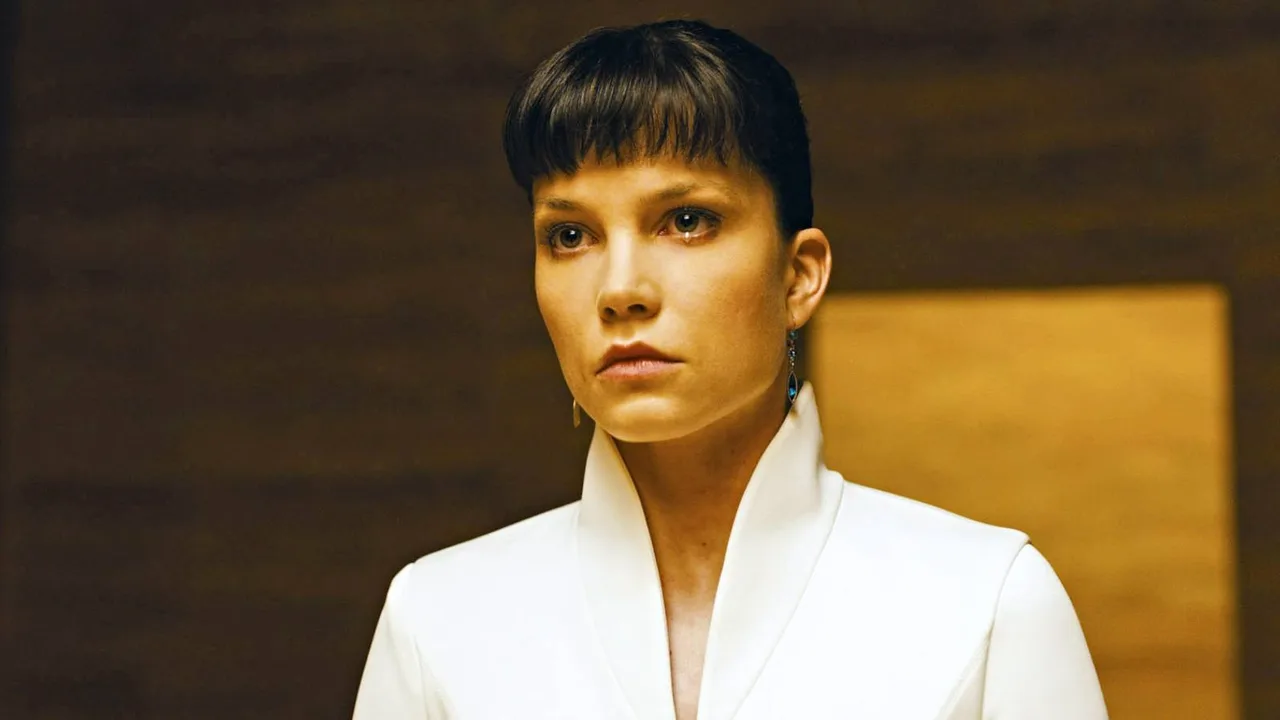
- The Scoop: Ridley Scott is executive producing Blade Runner 2099, an eight-episode Prime Video continuation of the franchise set five decades after Blade Runner 2049.
- Lead Cast: Michelle Yeoh and Hunter Schafer headline the series, with Tom Burke reported in a key role opposite the two leads.
- Franchise Continuity: The series extends the timeline established by Scott’s 1982 original and Denis Villeneuve’s 2017 feature, with Scott Free producing.
- Release Status: Prime Video has not locked a firm premiere date, though a launch inside the year-end corridor has been expected.
Ridley Scott is executive producing Blade Runner 2099, an eight-episode Prime Video series that carries the franchise five decades past the events of Blade Runner 2049. The project marks the first television continuation of the universe Scott launched in 1982, with Scott Free producing under the Amazon banner. Michelle Yeoh and Hunter Schafer lead the ensemble, with Tom Burke attached in a key role.
Scott Free’s Small-Screen Expansion: Building a Sequel Without a Feature Budget
The series is positioned as a direct narrative continuation rather than a reboot, picking up a half-century after Villeneuve’s feature left its replicant uprising unresolved. That gap gives the writers room to reset the human-replicant power dynamic without inheriting the visual grammar of either film. Scott’s producing oversight through Scott Free keeps the franchise’s production design lineage intact.
The eight-episode order is a deliberate scale choice. It gives the production enough runway to stage a serialized mystery across multiple locations, while avoiding the bloated ten-to-thirteen episode orders that have sunk other legacy-IP streaming adaptations. For a property this expensive to mount, that middle-weight episode count is the difference between a controlled burn and a runaway budget.
Yeoh and Schafer: A Casting Pairing That Splits the Franchise’s Two Halves
Yeoh brings the action-credibility anchor the franchise needs for its physical set pieces, following her Oscar-winning turn in Everything Everywhere All at Once and her continued presence in high-concept genre work. Schafer, coming off Euphoria, supplies the younger, more ambiguous screen presence that the replicant side of the story demands. The pairing deliberately mirrors the original film’s Deckard-Rachael dynamic without reproducing it.
Tom Burke’s attachment adds a third pillar to the ensemble, giving the series a seasoned character actor to carry procedural and investigative weight. That three-way balance is the kind of casting architecture that suggests the showrunners are building an ensemble drama rather than a star vehicle. It is also the kind of structure that survives a mid-season scheduling crunch.
Prime Video’s Calendar Bet: Why the Year-End Window Matters
Prime Video has not formally announced a premiere date, but the expectation of a launch inside the year-end corridor reflects the platform’s broader strategy of anchoring subscriber acquisition around the holiday viewing window. A November or December rollout places the series directly into the period when streaming churn spikes and households consolidate subscriptions. That timing is not incidental, it is a subscriber-retention play as much as a programming decision.
The theatrical-to-streaming funnel logic applies here in reverse: a prestige genre series launching in the holiday corridor can convert casual Prime subscribers into committed viewers across eight weeks, reducing the churn that typically follows a single-event premiere. The series is being tracked across our trade entertainment wire desk as Amazon finalizes its slate positioning. For a franchise this expensive to sustain, the release window is the marketing budget.
What remains unresolved is the exact premiere date and the full creative team behind the camera. Those details are being held close by Amazon and Scott Free as the production moves through its final packaging stages. The franchise’s small-screen future now rests on whether the eight-episode structure can deliver the visual scale of a feature while sustaining the serialized momentum a streaming audience demands.