Cocaine (2026): A Competent Thriller Setup Buried Under Predictable Writing
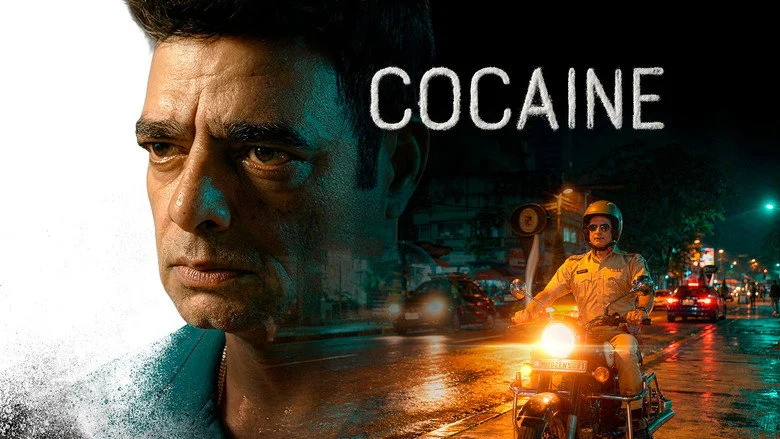
There’s a moment in Shravan Tiwari’s A-certified thriller where the traveler-driven crime setup clicks into place, a mysterious hitchhiker enters the frame, and you can feel the screenplay shift gears from road movie to something more sinister. That promise of tension, unfortunately, never quite pays off the way it should.
This is a film that lives and dies on its performances, which is both its saving grace and its most revealing weakness.
Abhimanyu Shekhar Singh Carries the Moral Breakdown, But the Script Keeps Pulling Him Back
Singh’s lead performance is the film’s strongest asset, with review coverage consistently noting that the cast elevates material that doesn’t always deserve them. He’s asked to carry a moral-breakdown arc, and he commits to it with a seriousness the screenplay rarely matches.
The problem is that he’s working against a plot that telegraphs its twists well in advance. A good actor can elevate weak dialogue, but he can’t fix a structure that refuses to surprise you.
Tiwari’s Direction Shows Instinct, But the Screenplay’s Predictability Undermines the Craft
Audience tags like #SuperDirection and #Wellmade suggest Tiwari has genuine visual instincts, and the film’s reasonably made surface confirms it. The tension in individual scenes lands more effectively than the larger narrative arc that contains them.
Yet the review coverage is blunt about the film’s central flaw: the plot is predictable, and one outlet went as far as calling it a flop show. Tiwari knows how to frame a shot, but he hasn’t figured out how to make a thriller that keeps you guessing.
That gap between craft and storytelling is where Cocaine loses whatever momentum it builds.
The Thriller Mechanics Work in Isolation, Not in Sequence
Consider the hitchhiker setup, it’s a classic thriller device, and the film deploys it with competent framing. The criminal tension and moral collapse at the story’s core give Singh something to sink his teeth into, and the antagonist pressure from the film’s villains adds a layer of menace that works on a scene-by-scene basis.
The Gadgets 360 average critic rating sits at 5.5, which feels about right for a film that’s professionally assembled but narratively hollow. The audience response tells a slightly different story, with tags praising the acting, direction, and even the music with #WowMusic and #Rocking.
But here’s the thing about thrillers, competence isn’t enough. A 2-hour runtime demands escalation, and Cocaine’s linear structure doesn’t provide the kind of narrative curveballs the genre requires. The setup promises more than the payoff delivers.
For those who enjoy dissecting how performances can elevate thin material, this one offers a fascinating case study in what actors can do when the writing fails them.
Supporting Cast Ranges From Serviceable to Forgettable
Ishita Raj Sharma, playing the mysterious hitchhiker, gets the film’s most intriguing role on paper, but review coverage describes her work as so-so. It’s a shame because the character concept, a stranger who disrupts the protagonist’s journey, is the kind of part that could have added real unpredictability to the proceedings.
Zakir Hussain and Siddhant Kapoor form the antagonistic setup, and both are positioned as threats in the narrative. Hussain is described as fair in the coverage, while Kapoor is merely alright, neither performance rises above the functional requirements of their roles.
That’s the film’s supporting cast in a nutshell: everyone shows up, does their job, and disappears from memory the moment the credits roll.
The A-Certificate Controversy and the Audience Divide
The film’s A certificate signals content that’s clearly aimed at adult audiences, yet the review coverage also flagged the film as insensitive in places. That combination, mature rating, questionable sensitivity, creates a strange tension about who this movie is actually for.
Audience tags tell a more enthusiastic story, with #Blockbuster and #GreatActing appearing alongside #Timepass, which suggests a divided response between those who found genuine merit and those who saw it as disposable entertainment. The lack of verified box office data makes it hard to gauge which camp won out commercially.
What’s clear is that Cocaine isn’t a film that leaves you cold, it’s one that leaves you frustrated, because you can see the better movie hiding inside it.
If you’re a fan of crime-thrillers that prioritize performance over plot mechanics, there’s something here worth your time. If you need your thrillers to actually thrill you, this might test your patience. For more analysis on similar films, browse these Hindi Thriller reviews.
Cocaine is a film that understands the surface of its genre but misses the depth, watch it for Singh’s committed lead turn and Tiwari’s competent direction, but adjust your expectations accordingly. It’s a regular-format viewing experience best suited for fans of the cast rather than genre purists.
Cocaine (2026) earns a middling 2.5 out of 5, a thriller with genuine craft and committed performances, undone by a screenplay that never dares to be as dangerous as its subject matter suggests.
For a more gripping exploration of moral collapse, check out Poovellaam Kettuppaar review.
If you’re curious about how another film handles criminal tension with stronger narrative grip, Toxic verdict offers a compelling comparison.
Cocaine (2026): A Competent Thriller Setup Buried Under Predictable Writing
Visually captivating cinematography, stellar sound design, and commanding performances.
Slight pacing drag in the second act before the climactic resolution.