How To Not Have Sex (2026): A Consent Drama That Asks Hard Questions

The opening reunion of three high school friends feels warm until it isn’t. Ten years dissolve into old laughter, and then the sexual misconduct case lands in the room like a stone in still water.
Director Sudharshan Narayanan wants you uncomfortable from that first scene forward. He gets what he wants.
Aakash Prabhakar Leads a Trio With Nowhere to Hide
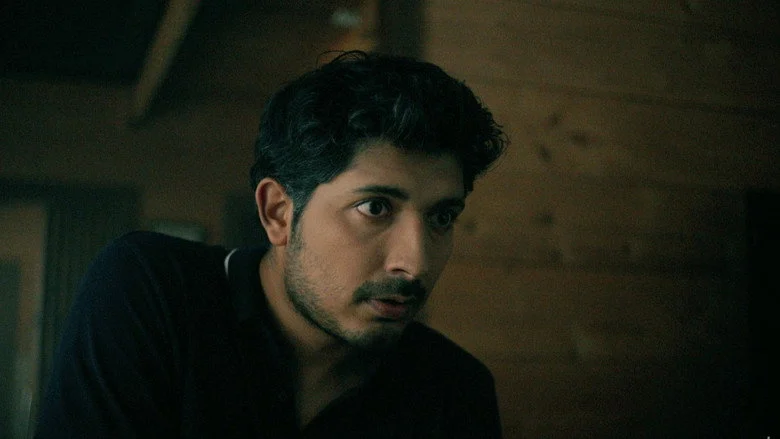
Prabhakar carries the weight of a man who remembers everything but admits nothing. His performance lives in the spaces between denial and recognition, and those spaces are where this film does its best work.
The most praised confrontation scene belongs to him. It is the clearest dramatic expression of the film’s central question, and he plays it with controlled, simmering unease.
Nishank Verma and Amrita Bagchi Hold the Other Poles
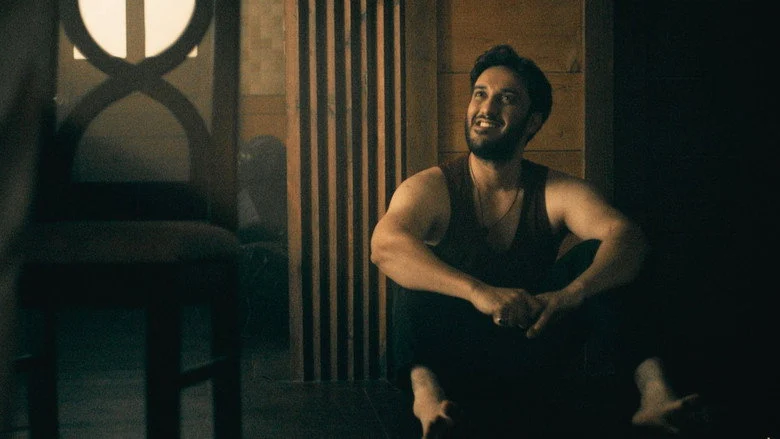
Verma’s casting signals the film’s interest in the male friend who enables through silence. His presence creates a triangle where every version of the past becomes a weapon.
Bagchi represents the perspective that refuses to let memory stay convenient. Her role in the shifting interpretations of the same event exposes how denial reshapes what these people believe happened.
Together, the three form a closed circuit of guilt. There is no external villain here, and that is precisely the point.
Genre-Core Execution: A Thriller Built on Memory, Not Action
Narayanan frames a social issue through mystery-like disclosure. The tension does not come from chases or violence but from conflicting accounts of a single night, each retelling tightening the noose around someone’s self-image.
The reunion sequence that reveals the misconduct case is the film’s engine. It activates unresolved tension and forces the three friends to negotiate what they know against what they want to believe.
The transitional stretches between revelations flatten momentum. These less-defined passages prevent the film from sustaining the pressure it builds so carefully in its key scenes.
If you are drawn to this kind of morally urgent storytelling, browsing more Hindi Thriller reviews might lead you somewhere equally challenging.
The Consent Question Is the Real Subject
This is not a film about whether something happened. It is a film about where persuasion ends and consent begins, and it keeps returning to that boundary from different angles.
The screenplay, written by Anshulika Dubey, is linear but thematically relentless. It emphasizes that silence and inaction are also forms of participation, a point it makes without preaching.
Cherin Paul’s cinematography stays functional rather than flashy. The camera serves the conversations rather than decorating them, which suits a story this dependent on dialogue and reaction.
What This Film Does With Its Own Shadow
The comparison to the similarly titled How to Have Sex is unavoidable. This film does something different, structuring its conflict around a tighter reunion premise and foregrounding denial as the active enemy.
What it lacks is the documentation of a wider release. No verified critic scores exist in public circulation, no detailed publication reviews have surfaced, and the absence of that record makes it harder to gauge where it lands among its peers.
That sparse footprint also means no box office data is available to measure audience appetite. The film exists for now as a festival-premiere curiosity, a class-conscious drama for viewers who want their entertainment to ask hard questions.
The Verdict on This Moral Reckoning
How to Not Have Sex is not for family viewers seeking light entertainment or anyone avoiding sexual-misconduct themes. It is for audiences who understand that the most frightening thrillers are the ones where the monster is a shared memory.
Watch it on OTT, where its intimate scale and conversational tension land best. This is a film that rewards patience and punishes distraction.
How to Not Have Sex is a sharp, uncomfortable drama that earns a 3 out of 5 for asking the questions most films refuse to touch.
For a similarly fractured look at memory and culpability, DC review offers its own violent reckoning with the past.
And if you want another study of a mind cracking under moral weight, Unmadham verdict goes even deeper into psychological fracture.
How To Not Have Sex (2026): A Consent Drama That Asks Hard Questions
Visually captivating cinematography, stellar sound design, and commanding performances.
Slight pacing drag in the second act before the climactic resolution.