James Gunn’s DC Studios Exit: Man of Tomorrow’s Post-Production Crisis
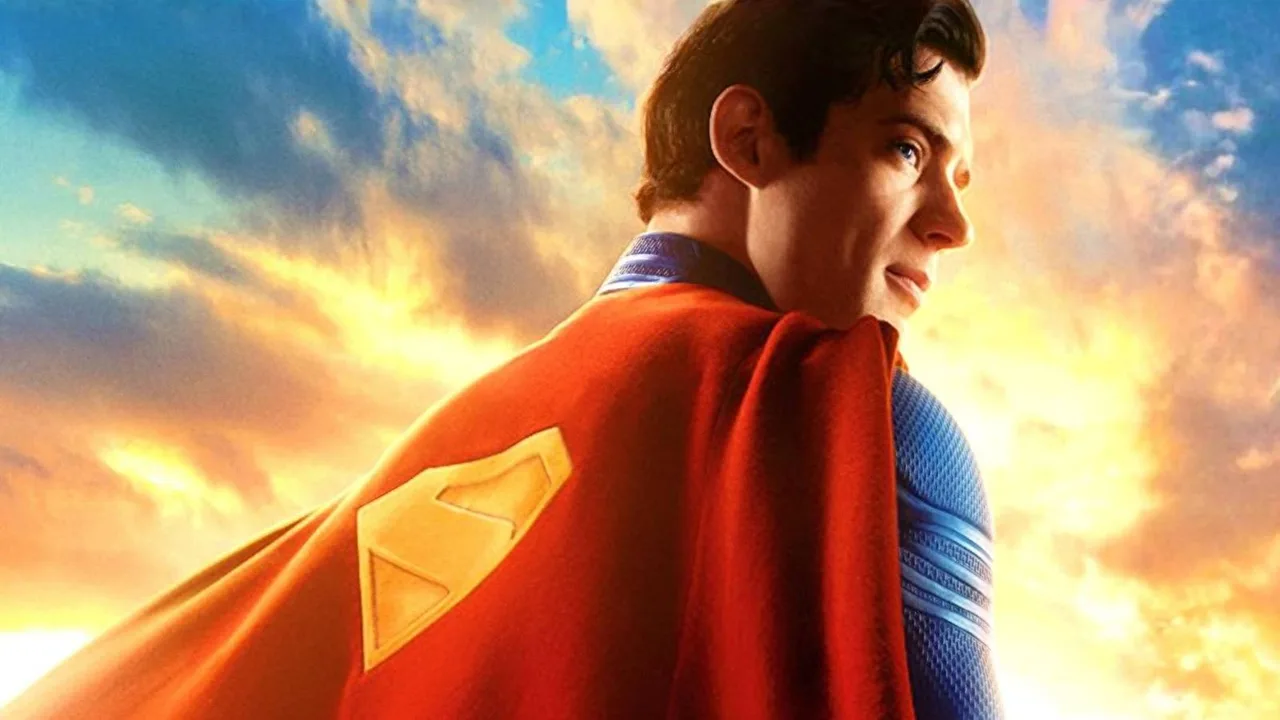
- The Scoop: James Gunn and Peter Safran will vacate their DC Studios co-head posts on December 1, 2026, with Marvel veteran Jeremy Latcham set to take the reins.
- Production Status: Gunn’s Superman sequel Man of Tomorrow wrapped filming in late August 2026 and is locked for a 2027 theatrical release.
- Creative Continuity: Both executives retain producer credits on Man of Tomorrow and The Batman: Part II, insulating the slate from an immediate hard reset.
James Gunn and Peter Safran are stepping down as DC Studios co-heads effective December 1, 2026, with Marvel veteran Jeremy Latcham lined up to assume leadership of the division.
The timing lands awkwardly: Gunn’s Superman sequel, Man of Tomorrow, only wrapped principal photography in late August and is now deep in post-production for a 2027 release.
A Post-Production Handoff: Why the December 1 Exit Cuts Against the Grain
Gunn is not walking away from the franchise he rebuilt. He remains writer-director of Man of Tomorrow and retains producer duties alongside Safran on The Batman: Part II.
That dual role, studio architect and hands-on filmmaker, is precisely what made the four-year stretch so punishing. Gunn has been candid about the personal toll of splitting his hours between creative work and corporate stewardship.
“But what only the closest people to me have known over the past four years is my time at DC Studios has been trying, to say the least.”
He has also described the difficulty of dividing attention between projects he was “incredibly passionate about,” ones he was less invested in, and the administrative demands of running a studio.
The December 1 handoff arrives while Man of Tomorrow sits in the edit bay, a phase where a director’s undivided attention matters most. Post-production on a film of this scale is a months-long grind of VFX approvals, score sessions, and test screenings.
Gunn now gets to pour himself into that process without the studio-head calendar competing for his days. In that narrow sense, the exit timing may be less a crisis than a deliberate unshackling.
Latcham’s Mandate: Steadying a Slate Mid-Transition
Jeremy Latcham inherits a division still finding its footing. The Marvel veteran’s résumé, built across Iron Man, Guardians of the Galaxy, and Spider-Man: Homecoming, signals a producer-first operator rather than a franchise auteur.
That profile matters. DC’s next chapter needs someone who can manage a multi-title pipeline, not just a single visionary with a five-year plan.
Latcham’s appointment also keeps the door open to cross-pollination with the Marvel playbook, an irony not lost on an industry that has watched both comic-book houses reshuffle leadership in recent years, tracked across our trade entertainment wire desk.
Meanwhile, the broader release calendar remains unsettled. No verified holiday corridor or specific theatrical weekend has been confirmed for Man of Tomorrow beyond its 2027 window.
That ambiguity is a distribution problem. A Superman tentpole needs a premium date (Memorial Day, July Fourth, or a Thanksgiving berth) locked early enough to stake out IMAX screens and international day-and-date windows.
What the Handoff Actually Costs, and What It Doesn’t
There is no indication that Man of Tomorrow has been delayed, recast, or shelved. David Corenswet returns as Superman, with Nicholas Hoult, Rachel Brosnahan, and Skyler Gisondo back in the fold.
Newcomers Lars Eidinger (as Brainiac) and Adria Arjona (as Maxima) round out the ensemble, though Arjona’s role has drawn some speculation that a formal studio confirmation would settle.
The real exposure is strategic, not operational. A leadership change mid-post-production invites second-guessing on marketing spend, sequel greenlights, and the interconnectivity of DC’s television and film arms.
Every week of indecision on a release date is a week distributors can’t lock exhibitor commitments, and a week of carrying post-production burn on a film whose P&A budget will run into nine figures.
Gunn’s departure is best read not as an abandonment but as a handoff at the messiest possible juncture: the moment a franchise’s creative steward becomes, once again, simply a filmmaker with a deadline.