Paapa Essiedu Cast as Snape in HBO’s Harry Potter Series
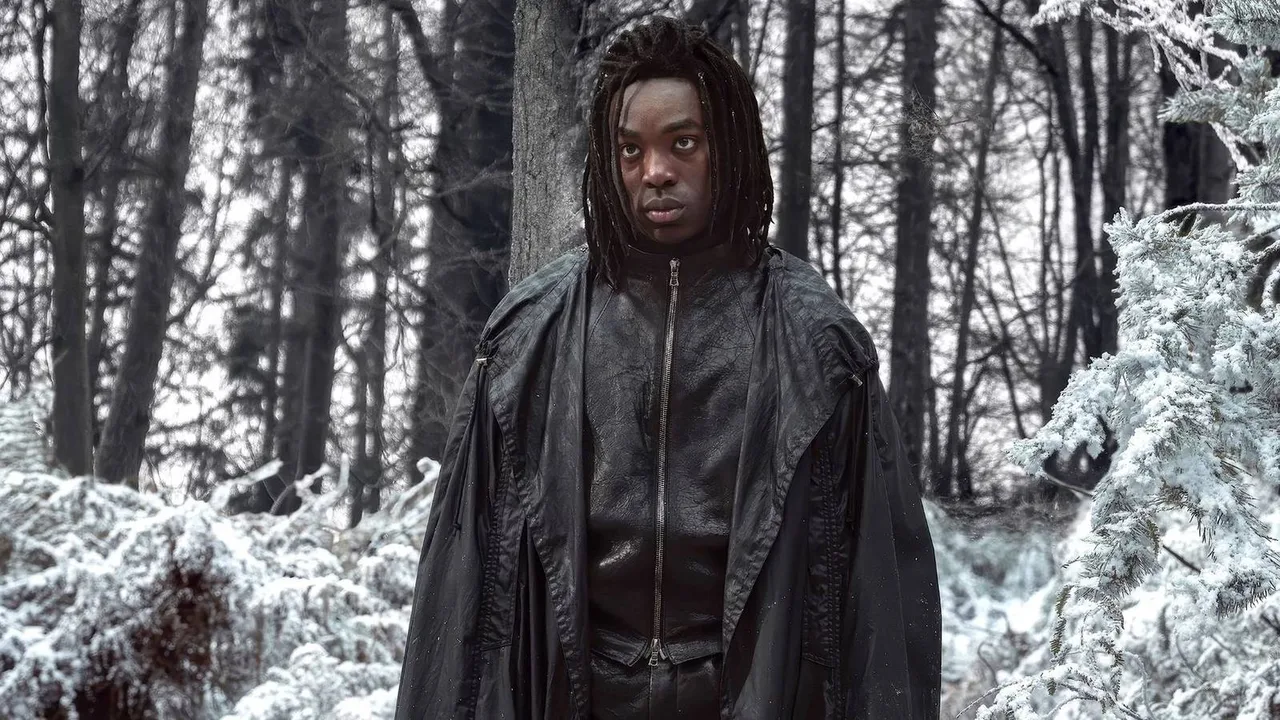
- The Scoop: Paapa Essiedu will play Severus Snape in HBO’s serialized Harry Potter adaptation, with Dominic McLaughlin starring as the boy wizard.
- Production Scale: Principal photography launched July 14, 2025, at Warner Bros. Studios Leavesden, the original franchise’s home lot.
- Calendar Leverage: Season 1, adapting Philosopher’s Stone, lands Christmas Day 2026 on HBO and HBO Max.
- Creative Command: Showrunner Francesca Gardiner and director Mark Mylod lead a cast stacked with Lithgow, McTeer, Frost and Whitehouse.
HBO has locked Paapa Essiedu as Severus Snape in its serialized Harry Potter adaptation, with Dominic McLaughlin headlining as the boy wizard. Production is already underway at Warner Bros. Studios Leavesden ahead of a Christmas Day 2026 premiere.
“We are happy to announce the casting of John Lithgow, Janet McTeer, Paapa Essiedu, Nick Frost, Luke Thallon and Paul Whitehouse to play Dumbledore, McGonagall, Snape, Hagrid, Quirrell and Filch.”, Francesca Gardiner, showrunner and executive producer
Essiedu’s Snape Is a Rebuild, Not a Victory Lap for the Franchise
The casting press cycle has been sloppy, with some corners billing Essiedu as “the new Harry Potter.” That framing collapses under a basic fact check: he is inheriting Alan Rickman’s mantle, not Daniel Radcliffe’s.
Essiedu arrives with serious dramatic credentials from I May Destroy You and Gangs of London, both of which traded on coiled, morally complicated men. That register is precisely what a long-form Snape demands across eight seasons of slow-burn revelation.
His presence also recalibrates the project’s demographic reach. Casting a Black British actor as Hogwarts’ most divisive professor signals HBO is building for a global streaming audience, not a museum piece.
Gardiner and Mylod Are Running a Full-Scale Production, Not a Soundstage Rehash
Francesca Gardiner, who cut her teeth on Succession and His Dark Materials, is steering the writers’ room as showrunner and executive producer. Mark Mylod, her Succession collaborator, is directing multiple episodes and executive producing.
Mylod’s visual signature (restless handheld framing, claustrophobic interiors, uneasy ensemble dynamics) maps cleanly onto Hogwarts’ institutional politics. The Great Hall becomes a boardroom; the staff table becomes a war cabinet.
The Leavesden shoot is a deliberate homecoming. The original eight films were produced on the same lot, and HBO is inheriting its standing sets, creature shops and practical effects infrastructure rather than rebuilding from scratch.
That is a material cost advantage at a moment when prestige television budgets are being scrutinized across the industry, monitored through our trade entertainment wire desk.
The Adult Ensemble Is Doing the Heavy Lifting While the Kids Grow Up On Camera
John Lithgow as Albus Dumbledore, Janet McTeer as Minerva McGonagall, Nick Frost as Rubeus Hagrid and Paul Whitehouse as Argus Filch form a veteran British backbone. Luke Thallon rounds out the staff as Quirinus Quirrell.
That lineup is a deliberate hedge. The child leads (McLaughlin, Alastair Stout as Ron and Arabella Stanton as Hermione) will age physically across the series’ planned run, and the adult cast absorbs the critical weight while they mature into the roles.
The open casting search for those three roles drew more than 30,000 submissions, a figure that tells you how much the franchise still commands in raw cultural gravity. Supporting players Rory Wilmot, Lox Pratt, Molly Hewitt-Richards, Rafe Spall and Jasper Ambrose are also confirmed.
Christmas Day Is a Subscriber Funnel, Not Just a Premiere Slot
The December 25, 2026 launch plants the series squarely in the year-end viewing corridor, when households cluster around screens for an extended stretch between Christmas and New Year’s Day. HBO Max gets a tentpole exactly when churn risk peaks.
Each episode lands as appointment television in a season when rival platforms are burning off library titles. The weekly rollout model stretches that holiday window into a months-long acquisition engine rather than a single-weekend spike.
For Warner Bros. Discovery, the math is stark: a known IP, an inherited production base at Leavesden, and a holiday launch window convert directly into subscriber retention through the first quarter. Contrasted with contemporary war release strategies chasing event weekends, HBO is playing a longer, more patient game.
If the first season performs, the platform owns a decade of built-in renewal logic. If it stumbles, the holiday slot becomes an expensive lesson in franchise fatigue, and Leavesden’s standing sets won’t save it.