Pratap (2026): Amit Sadh Anchors a Grim Procedural That Loses Its Nerve
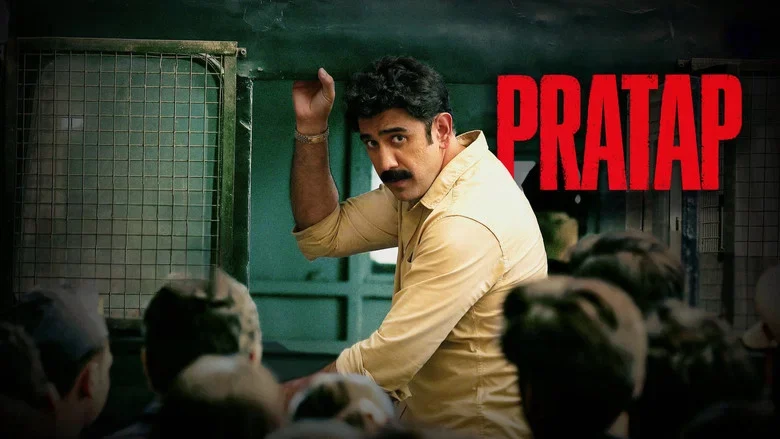
Sachin Saraf opens on a parking lot at dusk, a suspect pinned against a car, and a phone camera already recording from thirty feet away. By morning, the video has a life of its own and Pratap Ranade’s twenty-six encounters have become a national question.
The Viral Video Is the Smartest Thing Here, and the Film Knows It Too Early
The premise carries real teeth: an encounter specialist whose body count is public record watches a single death get reinterpreted as murder by a bystander’s shaky footage. The screenplay treats that clip as a grenade, rolling it into every institutional corridor Pratap once walked with impunity.
What Sachin Saraf understands, and what the writing too often forgets, is that the video’s power lies in its ambiguity. Was the suspect’s heart attack convenient, or was it the conspiracy’s first move? The film plants that question beautifully and then spends an hour answering it too cleanly.
The comparison to Those Who Wish Me Dead is instructive. Both films trap a competent man in hostile terrain, but that film trusted the wilderness to do the moral talking. Saraf’s terrain is bureaucratic, and bureaucracy needs sharper dialogue than this script provides.
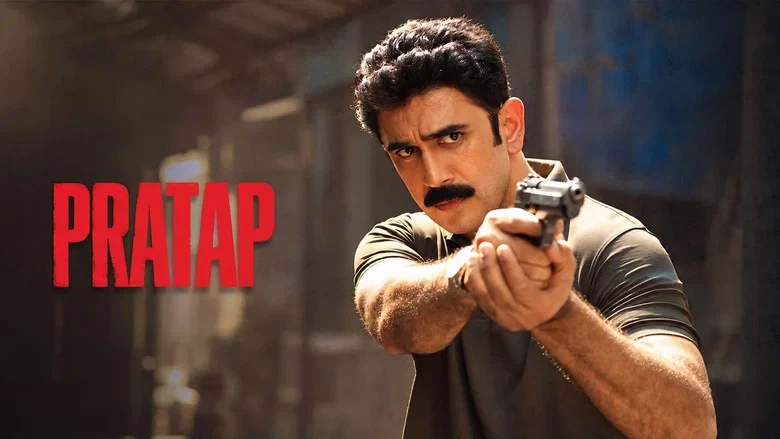
When a Jailer Refuses to Flinch, the Film Finally Breathes
Seema Biswas enters the frame as Meera Sen and the temperature changes. She doesn’t raise her voice, doesn’t perform authority, she simply reads a rulebook aloud while Pratap stands in a prison uniform that no longer fits his self-image.
Watch the way she keeps her hands folded on the desk during their first confrontation. No gesture, no lean forward, no sympathy. It’s the most disciplined piece of acting in the film, and it exposes how much the surrounding scenes rely on volume.
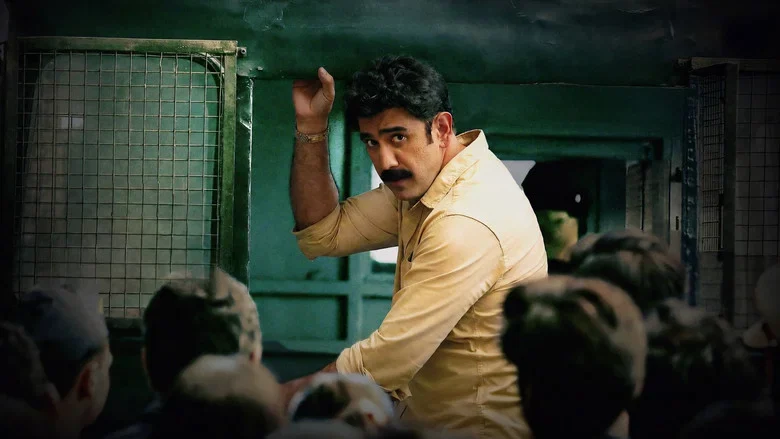
The prison stretch is where Saraf’s direction tightens. Long corridors, fluorescent light that flattens faces, and a camera that stays at a respectful distance from humiliation rather than exploiting it. Amit Sadh’s Pratap shrinks physically in these frames, shoulders dropping, gaze sliding off other inmates, and that recession carries more plot than any exposition dump.
Sadh’s work here recalls the quieter register he found in Aakhri Sawal, where he let silence do the arguing. The difference is that this film gives him a cell to sit in and nothing to negotiate with but his own memory.
The Conspiracy Reveal Arrives Like a Memo, Not a Shock
Here is where the procedural machinery starts to creak. The state-linked network behind Pratap’s downfall is introduced through the usual parade of files, phone calls, and men in pressed shirts speaking in vague institutional language.
Compare it to the tighter genre instincts on display in Blind Game, which at least understood that a conspiracy needs a face, not just a filing system. Saraf’s antagonists remain an abstraction, and abstraction drains tension from every scene that should be tightening the screws.
The escape sequence in the third act tries for kinetic release but lands closer to obligation. The film has spent so long in fluorescent interiors that the sudden movement feels like a different movie briefly borrowing the frame.
Tigmanshu Dhulia appears in a handful of scenes with the weary gravitas of a man who has played this role before, and the film never quite gives him a reason to be there beyond lending the proceedings a patina of institutional weight.
Esha Deol’s presence registers as casting texture rather than dramatic function; her scenes pass without leaving a mark on the central conflict.
The Score Keeps Telling Us What the Camera Already Said
Rohan Rohan’s background score is the film’s most persistent irritant. Every moment of moral ambiguity gets a low string swell, every institutional betrayal a percussive thud, as if the audience might otherwise miss the point of a man in a prison uniform.
Anil Akki’s cinematography, by contrast, shows real restraint. The parking lot sequence uses available light and handheld proximity to create unease, while the prison interiors are lit with the flat, unforgiving glare of overhead tubes. That visual discipline deserves a score that trusts it.
The two-hour-twenty-one-minute runtime is not the problem. The problem is that the middle hour mistakes procedural detail for dramatic escalation, and by the time the conspiracy clicks into place, the audience has already done the math.
Amit Sadh’s Box-Office Leverage Meets a Crowded November Slate
Pradeep Rangwani produces through a banner that has staked real capital on Sadh’s transition from supporting player to leading man. That bet now rests on a film opening against the usual November crush of Hindi releases, with no verified opening-day figures to suggest a breakout.
The theatrical lifecycle for mid-budget crime thrillers remains brutal. Without a star who can open a film on name alone, these projects live or die on word of mouth, and word of mouth for a procedural this grim depends on the climax delivering something the trailer didn’t already spoil.
What’s at stake for Sadh is clearer. He has spent years building credibility in ensemble work and streaming dramas; a theatrical lead that underperforms won’t end that trajectory, but it will make the next financing conversation harder.
The contemporary hindi thrillers marketplace rewards actors who can carry moral complexity without flinching, and Sadh can do that, when the script gives him something to carry.
The Verdict: A Procedural That Forgets the Video Was the Villain
The film’s final irony is that it treats the viral video as a problem to be solved rather than a mirror to be held up. Pratap spends the climax proving the footage was doctored, and in doing so, the film lets the system off the hook it spent ninety minutes building.
What lingers is not the conspiracy or the escape but Seema Biswas’s folded hands on that desk, the image of an institution that doesn’t need to conspire because it has rules. That is the film Saraf almost made, and the one worth mourning.
Pratap (2026): Amit Sadh Anchors a Grim Procedural That Loses Its Nerve
Visually captivating cinematography, stellar sound design, and commanding performances.
Slight pacing drag in the second act before the climactic resolution.