Shabana Azmi, Marco Müller Lead Inaugural Kathmandu Film Festival
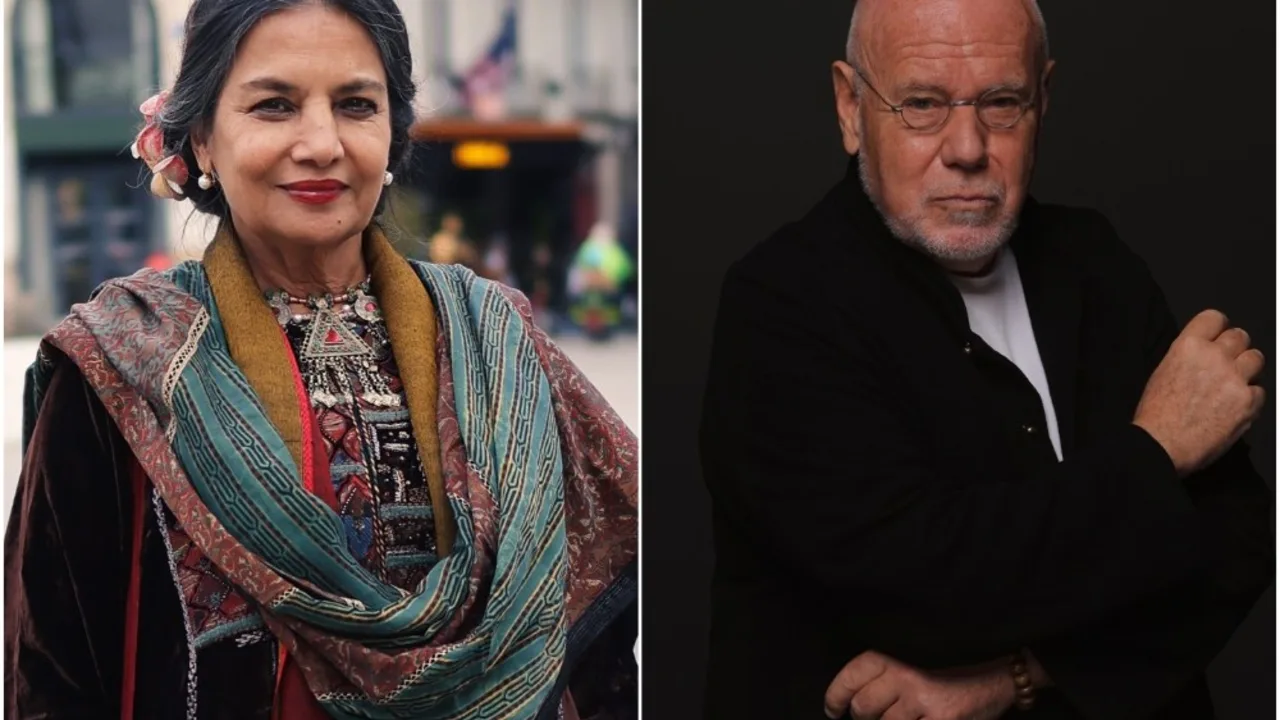
- The Scoop: Shabana Azmi and veteran festival chief Marco Müller headline the first Kathmandu Film Festival, running October 30 to November 1, 2026, under Kathmandu Metropolitan City’s banner.
- Programme Scale: The inaugural edition screens 40 features and documentaries from 14 countries, spanning India’s Bayaan, China’s Dear You, South Korea’s The King’s Warden, The Godfather, and Nepali classics Kumari and Ke Ghar Ke Dera.
- Industry Stakes: Azmi’s October 31 sit-down, “Films, Festivals and a Life Well Lived,” anchors a lineup that also brings Japanese filmmaker Takayuki Nakamura and Indian programmer Deepti D’Cunha into Nepal’s exhibition ecosystem.
Shabana Azmi and Marco Müller are confirmed headliners for the inaugural Kathmandu Film Festival, a three-day metropolitan showcase staged by Kathmandu Metropolitan City from October 30 to November 1, 2026.
The event marks the Nepali capital’s first city-backed film festival, built to connect local filmmakers with the international circuit rather than to serve as a routine diplomatic photo opportunity.
A Metropolitan Bet: Why Kathmandu Is Building Its Own Festival Circuit
Kathmandu Metropolitan City is financing and organising the edition directly, placing municipal muscle behind a cultural play with genuine exhibition stakes. That civic backing gives the festival a structural advantage most first-year events lack: guaranteed infrastructure, venue access, and political cover.
The programme leans hard on physical presence over virtual panels, with masterclasses, heritage walks, and a closing red-carpet ceremony and awards night on November 1.
Forty features and documentaries from 14 countries fill the slate, a volume that signals ambition well beyond a token city showcase. The selection runs from Francis Ford Coppola’s The Godfather to Nepal’s own Kumari and Ke Ghar Ke Dera, deliberately pairing canon titles with domestic heritage cinema.
India’s Bayaan, China’s Dear You, and South Korea’s The King’s Warden round out a lineup weighted toward Asian contemporary work. That curation positions Kathmandu as a regional bridge rather than a satellite of European festival gatekeepers, a distinction that matters when programmers decide where to premiere next season.
Azmi’s Masterclass Slot and Müller’s Curatorial Gravity
Azmi’s October 31 interaction at the Nepal Tourism Board, titled “Films, Festivals and a Life Well Lived,” is the festival’s marquee conversation. The format is a career retrospective in dialogue form, and it hands the organisers their single biggest draw for press coverage and ticket demand.
Her presence carries weight across South Asian cinema’s festival economy, where her five-decade filmography functions as a living syllabus for acting craft and parallel-cinema history.
Müller brings a different currency: the credibility of a programmer who has run Venice, Locarno, and Rome. His attendance gives Kathmandu’s organisers a direct line into the European festival network, which is precisely the kind of relationship a first-year event cannot buy through advertising.
Japanese filmmaker Takayuki Nakamura and Indian programmer Deepti D’Cunha fill out the international delegation, adding Tokyo and Mumbai perspectives to the conversation roster. The mix suggests the organisers are courting co-production talk alongside pure exhibition.
For a city establishing its festival identity, that combination of star power and curatorial pedigree is the difference between a one-off civic gesture and a recurring date on the regional calendar, tracked closely across our industry news desk.
Closing Weekend Economics: What a Three-Day Window Has to Prove
The October 30 to November 1 corridor lands on a standard weekend with no major holiday leverage attached, which puts the entire attendance burden on programming quality and local marketing. Organisers get one clean shot at proving the festival can fill seats without a festive cushion.
The closing-night screening of Ke Ghar Ke Dera alongside the awards ceremony is a calculated emotional finish, tying the event’s international ambitions back to Nepali film heritage.
Budget realities for a municipal festival are unforgiving: venue costs, delegate travel, and print logistics for 40 titles all land inside a 72-hour window. Every screening slot has to convert into audience goodwill and sponsor confidence for the 2027 edition.
Success here would give Kathmandu a foothold in a South Asian festival landscape currently dominated by Goa and Busan, contrasting with DC across the region. For now, the city’s first festival has three days to prove it deserves a fourth.