The Day After Tomorrow Hits Netflix: Gyllenhaal’s 2004 Disaster Epic Arrives
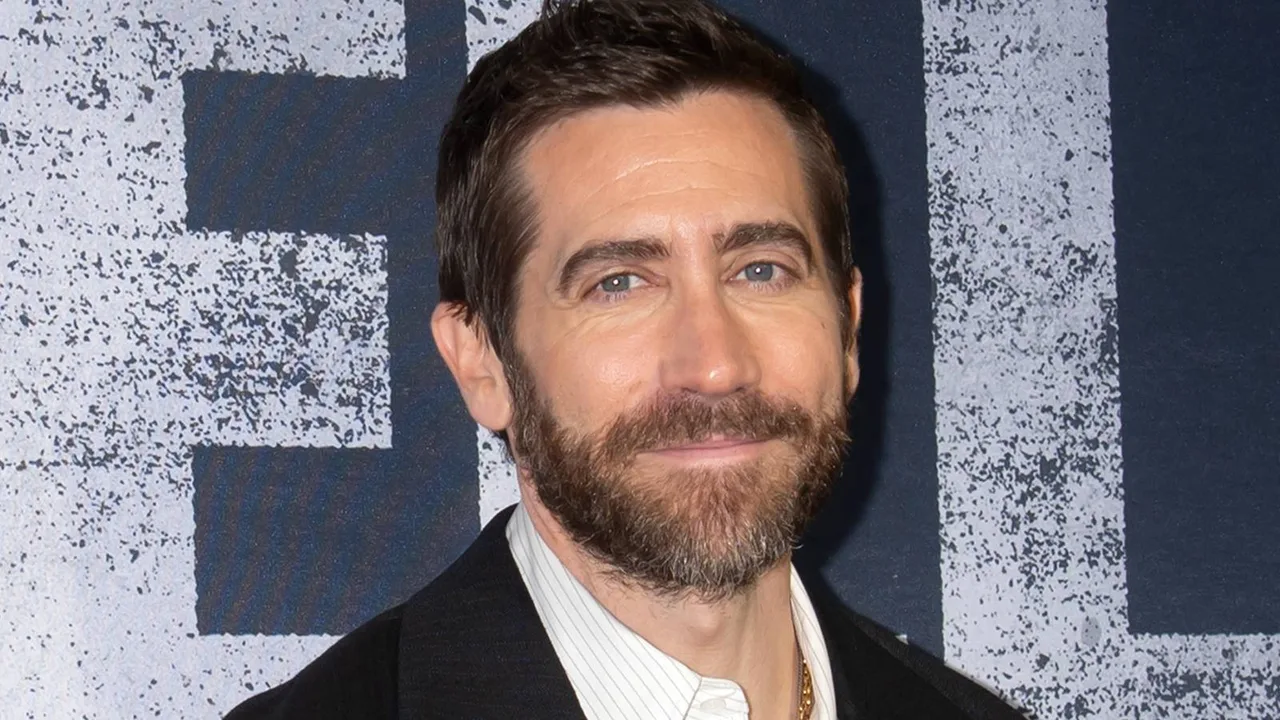
- The Scoop: Roland Emmerich’s 2004 climate disaster epic The Day After Tomorrow, starring Jake Gyllenhaal and Dennis Quaid, lands on Netflix on November 1, 2026.
- Catalog Scale: The 124-minute film brings its tidal waves, rapid deep-freeze sequences, and New York ice-over set pieces to the platform’s library roster.
- Library Leverage: A marquee catalog acquisition that puts a proven global disaster title in front of Netflix’s subscriber base ahead of the winter viewing corridor.
Roland Emmerich’s 2004 climate disaster epic The Day After Tomorrow, starring Jake Gyllenhaal and Dennis Quaid, joins Netflix’s catalog on November 1, 2026.
The 124-minute film arrives as a library acquisition, not a new production. It puts one of the genre’s most durable spectacle titles directly into the platform’s winter viewing window.
Emmerich’s Practical Spectacle Still Commands the Screen
Emmerich built the film around large-scale physical set construction and effects work rather than intimate drama. The director staged Manhattan’s rapid freeze, surging tidal walls, and supercell storm sequences as full-canvas theatrical events.
That approach keeps the film’s disaster set pieces legible two decades later. The frozen-city imagery and storm-chase sequences retain a physical weight that holds up on smaller screens.
Gyllenhaal anchors the human thread as Sam Hall, stranded in a frozen New York Public Library with friends as the climate collapses. Quaid’s climatologist Jack Hall drives the rescue arc, giving the film its emotional engine.
The supporting ensemble (Emmy Rossum, Ian Holm, Sela Ward, Dash Mihok, Jay O. Sanders, and Austin Nichols) balances the star presence with a broad survival ensemble. Holm’s turn as a climate scientist adds gravitas to the film’s scientific premise.
Why a 2004 Disaster Title Still Moves the Needle
Netflix’s catalog strategy leans on recognizable, rewatchable spectacle titles that drive engagement without new production spend. The Day After Tomorrow fits that brief precisely.
The film’s climate-collapse premise has only grown more culturally resonant since its 2004 release. That topicality gives the platform a ready-made conversation hook for the November drop.
The November 1 date slots the film into the pre-winter viewing corridor, when disaster and survival titles tend to draw heavier streaming traffic. It is a standard catalog placement rather than a holiday theatrical play.
For Gyllenhaal, the arrival extends a filmography that spans blockbuster spectacle and prestige drama. The actor’s 2026 slate includes The Bride! and the reported heist film Cut & Run, keeping his profile active across the calendar.
The acquisition also sits alongside a broader wave of genre catalog moves monitored across our theatrical release tracking and streaming coverage, where library titles increasingly anchor subscriber retention.
The Catalog Calculus Behind the November Drop
Library acquisitions like this one function as low-cost subscriber retention tools. A proven disaster epic draws casual viewers who might otherwise churn between original releases.
The film’s spectacle-driven appeal makes it a natural fit for repeat viewing, which is exactly what platform algorithms reward. Every rewatch feeds engagement metrics without additional licensing complexity.
Emmerich’s film also benefits from the director’s continued association with large-scale disaster cinema, a genre lane that keeps drawing audiences to contemporary action releases and spectacle-driven titles across the industry.
The November 1 drop gives Netflix a marquee catalog title heading into the winter months, when streaming hours climb. For a 2004 film with no new production costs attached, that timing is the entire play.
The real value here is availability, not announcement. A 124-minute disaster epic with a recognizable star and a director synonymous with the genre lands in front of subscribers at the moment they are most likely to press play.