The Outer Limits: ABC’s Darker Answer to The Twilight Zone
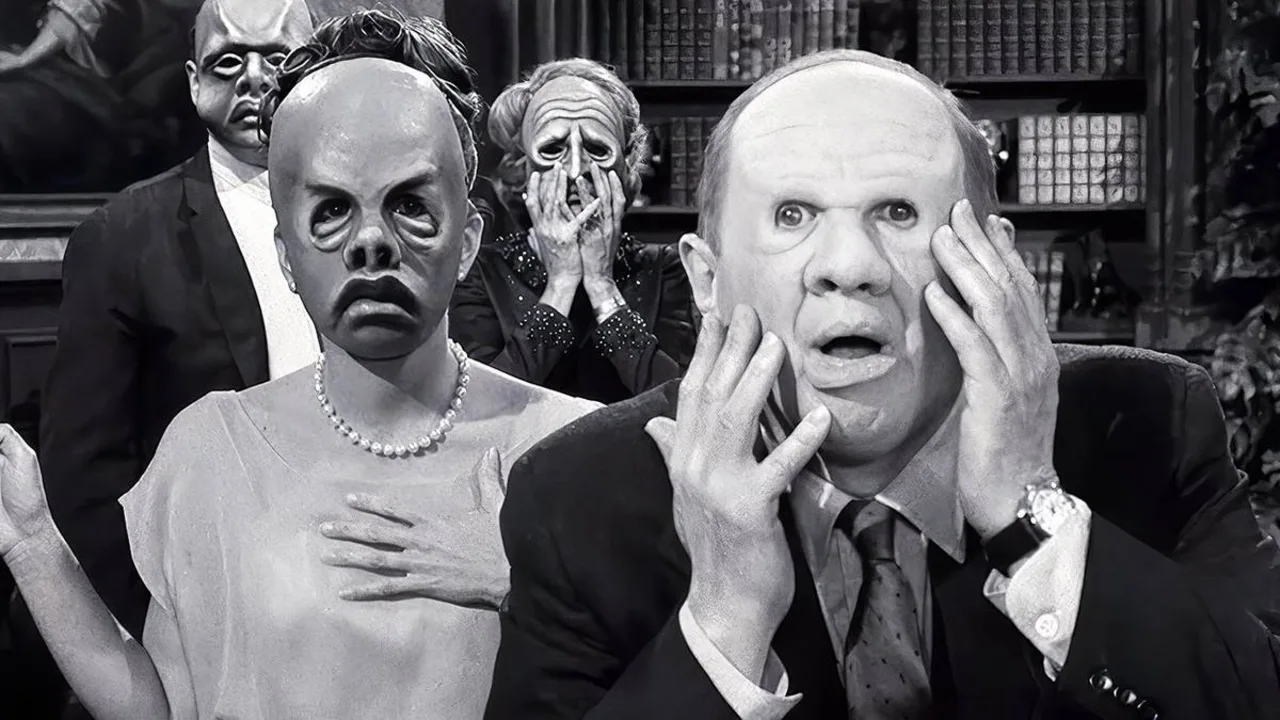
- The Scoop: ABC’s The Outer Limits (1963, 1965) stands as the darker, horror-leaning counterpart to Rod Serling’s The Twilight Zone.
- Tonal Distinction: Where Serling traded in moral fable and irony, The Outer Limits leaned into Gothic menace, creature-driven dread, and electronic scoring.
- Anthology Era Context: The two series defined network anthology television across the early 1960s, with Twilight Zone running 156 episodes from 1959 to 1964.
The Outer Limits ran on ABC from 1963 to 1965, a science-fiction anthology engineered for viewers who wanted their dread without The Twilight Zone‘s moral consolation. Its reputation now rests on a single proposition: this is the scarier show.
Gothic Dread Over Moral Fable: Why the ABC Series Plays Meaner
Rod Serling’s CBS anthology built its legacy on irony and ethical parable, closing most weeks with a rueful twist rather than a threat. The Outer Limits inverted that formula, treating the unknown as genuinely hostile rather than instructive.
Collider’s retrospective frames the ABC series as the darker companion piece, emphasizing its horror-first posture and its unnerving electronic score. That tonal aggression is what separates the two shows in the streaming-era rewatch conversation.
The distinction matters for modern genre programming, where contemporary horror releases increasingly favor atmosphere and menace over tidy resolution. The Outer Limits got there six decades earlier.
Two Networks, One Format: The Anthology War of the Early Sixties
CBS and ABC were effectively competing for the same primetime appetite, and Serling’s 156-episode run from 1959 to 1964 set the benchmark. The Outer Limits arrived mid-cycle and carved out a distinct identity rather than imitating the leader.
The confusion between the two shows persists because they share a format, a decade, and a black-and-white visual grammar. What they do not share is temperament, one consoles, the other unsettles.
That legacy still shapes how anthology horror gets pitched and packaged today, tracked across our trade entertainment desk as networks keep returning to the format.
Why a 1963 ABC Series Still Wins the Streaming Argument
Retrospective recommendation coverage like this carries real commercial weight, because catalog genre titles are cheap inventory that reliably drives engagement on ad-supported platforms. A 1963 ABC property with a recognizable name still converts curious scrollers.
The Serling comparison functions as free positioning: any viewer who finishes The Twilight Zone needs a next title, and The Outer Limits slots in without a marketing spend. That is the entire economics of back-catalog programming.
For the platforms holding these libraries, the anthology format is the asset, self-contained episodes mean no continuity barrier and no episode-order friction for new viewers. Sixty-two years on, the darker show is still doing quiet commercial work.