Tsukamoto Shinya on Staying Independent and Why War Films Keep Pulling Him Back
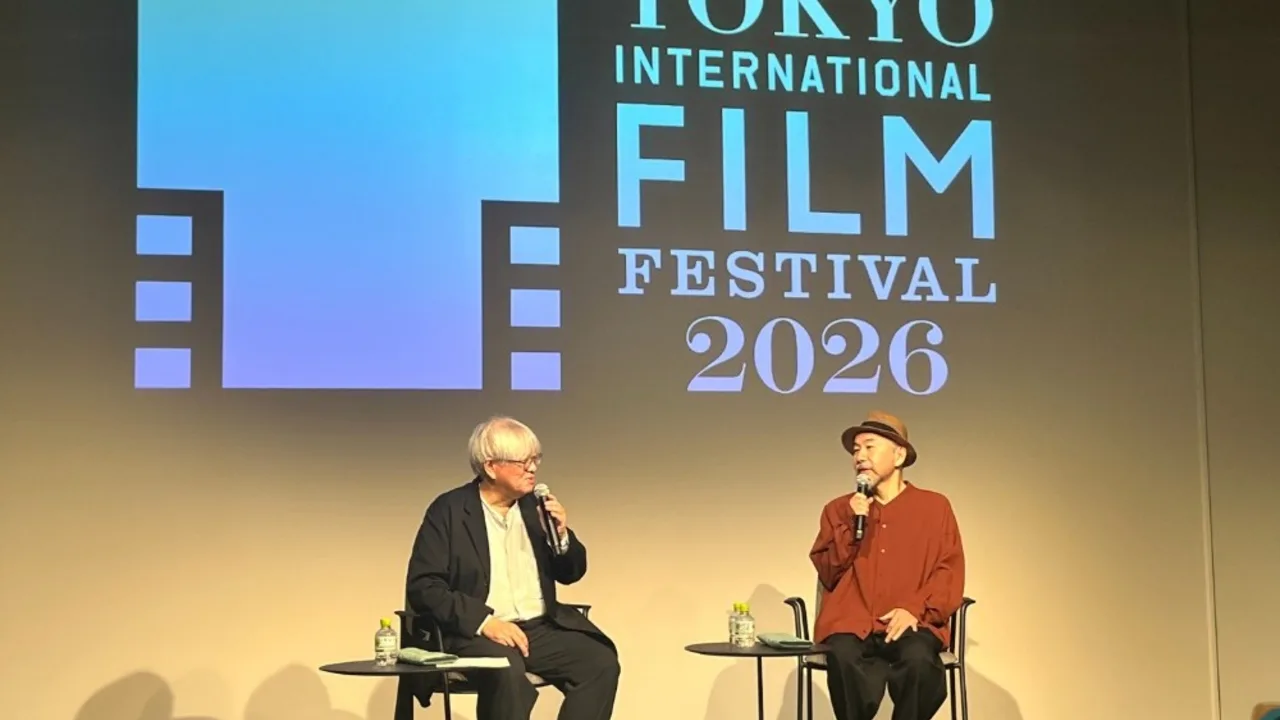
- The Scoop: Shinya Tsukamoto used his 39th Tokyo International Film Festival masterclass to explain why he has refused studio employment and still finances his own films.
- Production Model: The Tetsuo: The Iron Man director routinely serves as producer, writer, cinematographer and editor on his own features rather than accepting hired-gun assignments.
- Current Slate: His latest film, Mr. Nelson, Did You Kill People?, is his second English-language feature following Tetsuo: The Bullet Man.
- Career Spine: Tetsuo: The Iron Man opened in Japan on July 1, 1989, and remains the calling card that built his international reputation.
Shinya Tsukamoto told a Tokyo International Film Festival masterclass that he turned down studio offers because he refused to become a director for hire. The Tetsuo: The Iron Man filmmaker used the platform to lay out a self-financed production model he has protected for nearly four decades.
“I did receive offers [from studios] but I didn’t want to become a director for hire, I didn’t think that suited me, and there’s certain things you want to do as a filmmaker.”
One Man, Every Department: Inside Tsukamoto’s Self-Financed Production Model
Tsukamoto does not delegate the machinery of his films. He operates as producer, screenwriter, director of photography and editor simultaneously, a workload that keeps creative control absolute and overheads unusually lean.
That arrangement is a deliberate structural choice, not a budget compromise. “What I eventually decided to do was employ my usual method of filmmaking,” he said, describing a process built so “that I can make my movie as I believe it should be made.”
The approach traces directly to Tetsuo: The Iron Man, the 1989 cyberpunk shocker shot in stark black and white on a shoestring. Its industrial body-horror imagery broke him internationally and set the template for every self-produced feature since.
The franchise expanded through Tetsuo II: Body Hammer and Tetsuo: The Bullet Man, the latter marking his first English-language feature. Each entry reinforced the same authorship principle: the director’s vision arrives on screen without studio filtration.
War as Recurring Terrain: Why Tsukamoto Keeps Circling Conflict
Beyond the Tetsuo series, Tsukamoto’s filmography returns repeatedly to wartime and post-war trauma. Fires on the Plain and Shadow of Fire both place human bodies under the pressure of conflict and its aftermath.
That preoccupation sits in sharp contrast to contemporary war releases built around patriotic spectacle and large-scale set pieces. Tsukamoto’s conflict films trade bombast for intimate, often brutal physicality.
His latest work, Mr. Nelson, Did You Kill People?, continues that trajectory and stands as his second English-language feature. The project positions him as a global filmmaker without the infrastructure of a major studio behind him.
Festival circuits have become his primary commercial platform. Masterclasses and retrospectives generate the visibility that traditional marketing spend would otherwise buy, a model monitored closely across our trade entertainment wire desk.
Festival Muscle Over Studio Money: The Economics of Staying Free
Tsukamoto’s independence carries real financial consequences. Without studio financing, each film’s budget must be assembled through his own production channels, limiting scale but eliminating approval layers.
The upside is ownership. A filmmaker who controls every department also controls final cut, international sales strategy and long-term library value, assets that compound across decades of festival revival screenings.
For distributors, his name remains a reliable arthouse draw with a built-in cult audience. The Tetsuo brand alone sustains retrospective demand and premium repertory bookings worldwide.
That is the trade-off at the heart of his Tokyo remarks: slower financing cycles and smaller crews in exchange for a filmography no committee ever touched. For Tsukamoto, the ledger has clearly balanced.