Max, Min and Meowzaki (2026): A Cat, Three Generations, and the Quiet Art of Letting Go


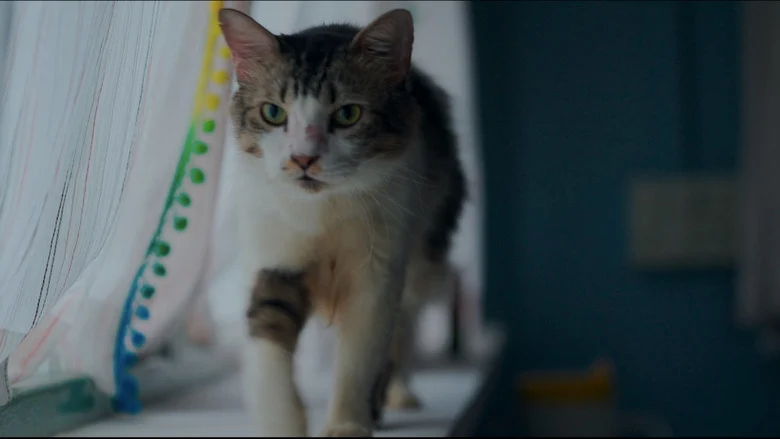
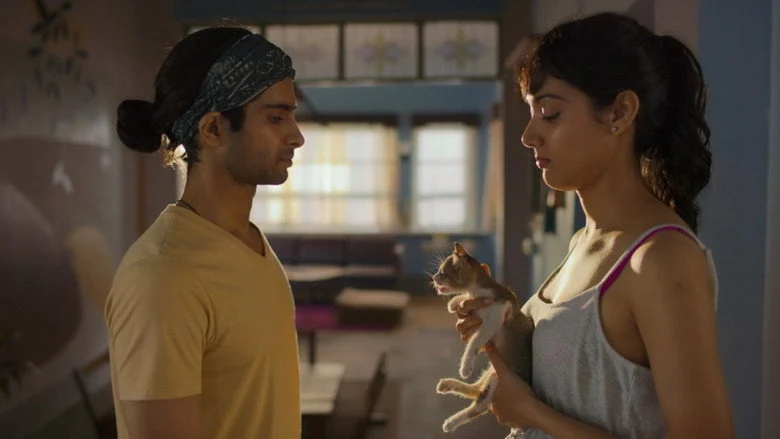
The film opens not with a proposal, but with its inverse: Max and Min, a couple on the verge of breaking up, bickering over who gets the cat. The absurdity is unmistakable, two adults, trading ownership of a feline as if it were a toaster, but the scene lands with a recognizable, uncomfortable truth about how we sever ties.
Max and Min: Performers Lost in a Thin Premise
The actors playing Max and Min, whose names are unavailable in the provided sources, are tasked with selling a breakup that feels both too scripted and too sparse. Their opening argument over dividing possessions, including the cat Meowzaki, is the film’s most-discussed scene, yet it lacks the spontaneous cruelty that made similar moments in relationship dramas sting.
One wishes the performers had been given another beat to breathe. Instead, the dispute over Meowzaki plays like a rehearsal: precise, polite, and emotionally neutered.
Direction and Screenplay: The Structure Stretches, The Detail Doesn’t
The narrative interlocks three generations of Mahadevan men within one family premise, which is an ambitious structural choice. The setup balances romantic breakup, grief, and therapy neatly, but the screenplay’s weakness becomes clear in the second half: it broadens into family healing rather than deepening the initial conflict.
The director’s strength lies in the parallelism, not in the micro-moments. The therapy sessions with Dhaara, for instance, feel like narrative bullet points, necessary, but never lived in.
Genre-Core Execution: Comedy-Drama That Chooses Safety Over Chaos
The primary genre is comedy-drama, and the breakup dispute provides its engine. But the comedy here is gentle, almost apologetic, think of Sridhar’s nursing-home subplot, where his secret drinking with Jennifer offers the film’s only genuine chuckle. It’s a small, telling moment: a man defying institutional routine for a sip of something forbidden.
The romantic secondary genre is nearly invisible, buried under the weight of grief and therapy. The parallel emotional threads, Ramesh’s insomnia, Sridhar’s late-life companionship, never collide with the breakup story in a way that feels inevitable. The film holds them as separate tracks, and the distance shows.
Therapy is used as a narrative device for emotional processing, which is more than most mainstream films dare. But without a single scene that dramatizes the breakthrough, it remains a plot function rather than a turning point. The healing is described, not performed.
Ramesh, Dhaara, Sridhar, Jennifer: Fragments in a Shared Frame
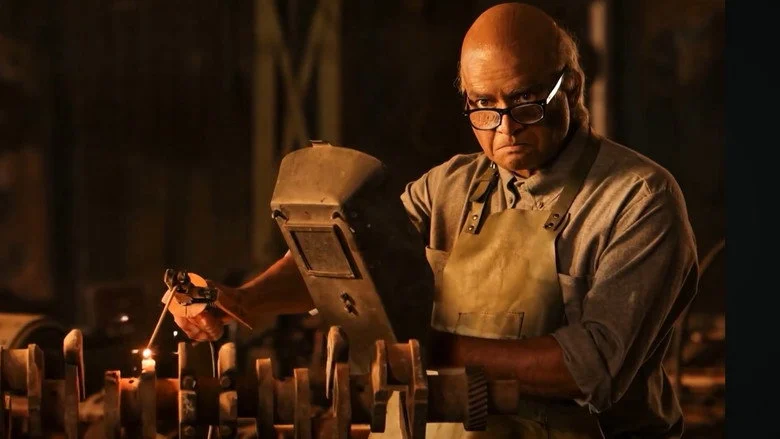
Ramesh’s insomnia and bereavement place him in the film’s emotional middle layer, but his scenes with Dhaara, the therapist who represents adult healing, remain frustratingly schematic. Dhaara functions as a narrative cue for recovery rather than a person; we learn what she represents, not who she is.
Sridhar’s nursing-home storyline, on the other hand, carries the film’s most understated grace. His secret drinking with Jennifer suggests comic subplots that the film never fully explores, but Jennifer’s role as a catalyst for his social shift gives the older generation the story’s most honest moment of connection. It’s not much, but it’s real.
If this layered, intergenerational storytelling intrigues you, browse more Hindi Romance reviews that tackle similar emotional terrain.
Audience Reception: A Premise That Works Better on Paper
The breakup setup is easy to understand and character-driven, but without audience score data or sentiment analysis, it is impossible to gauge how the wider public reacted to the film’s execution. The cat-centered conflict is distinctive and likely to draw attention, but attention is not the same as engagement.
For viewers who prefer relationship-driven ensemble dramas, the film’s appeal lies in its structure, not its texture. It may resonate more as a concept than as a lived-in experience.
Closing Recommendation
Go if you are in the mood for a gentle, multi-generational drama that prioritizes parallel lives over narrative electricity. Skip if you want comedy that bites or romance that lingers. Watch it in regular theatrical screening, where its modest scale won’t feel like a missed opportunity.
Max, Min and Meowzaki is a film with its heart in the right place and its screenplay still finding its footing, a generous 2.5 out of 5, for effort over impact.
For a more tightly wound take on generational isolation, see how LURK review translates conflict into dialogue.
Or compare its emotional architecture to India Story verdict, where a single performance holds a film together despite weak payoffs.
Ankit Jaiswal is the Chief Author, covering Indian cinema and OTT releases with honest, no-filler criticism. An SEO strategist by background, he brings a research-driven approach to film writing, cutting through hype to tell you exactly what's worth your time.