The India Story (2026): Kajal Aggarwal holds gives the film energy despite weak payoffs


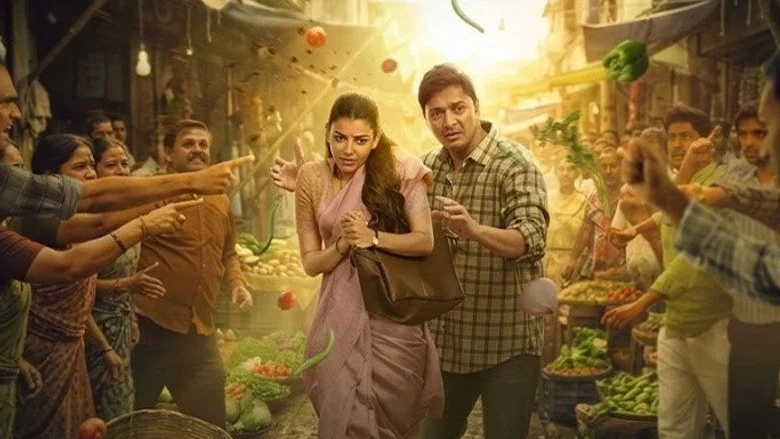
Kajal Aggarwal, cast in a role that demands more gravitas than glamour, anchors the film’s moral axis. In a crucial confrontation sequence, the details of which remain frustratingly vague in the public narrative, she registers distress through micro-expressions rather than loud outbursts. It is a performance of controlled restraint, though the script never gives her the knockout moment she deserves. She is competent, but the material around her feels undercooked.
Shreyas Talpade brings lived-in credibility
Shreyas Talpade plays his part with the weary competence of a man who has seen this system before. His naturalism contrasts sharply with the film’s occasionally overwrought dramatic beats. I am struck by how much his presence elevates scenes that would otherwise feel like television-grade moralizing. He makes you believe in a world the screenplay hasn’t fully built.
Chetan DK’s direction: structure over instinct
Chetan DK, stepping into the corporate-scandal arena, shows a clear grasp of the subject’s gravity. The film’s strength lies in its refusal to sensationalize pesticide misuse and corporate malfeasance, a restraint that many issue-based dramas lack.
However, the screenplay suffers from a structural weakness: it tells rather than shows. Key plot points about public-health consequences are delivered through exposition dumps, not dramatized scenes. The script needed another pass to translate its research into visceral cinema. DK trusts his audience’s intelligence, which is admirable, but he forgets that intelligence alone doesn’t move a scene.
The film’s pacing sags noticeably in the second half, where the investigation thread loses momentum. What begins as a tight crime drama unravels into a series of repetitive confrontations.
Genre-core execution: a crime drama that stays clinical
As a crime drama, The India Story operates in the register of sober journalism rather than pulpy thriller. There are no chase sequences, no gunfights, no cloak-and-dagger tension. The drama derives entirely from boardroom arguments and legal proceedings, a risky choice that demands exceptional writing to sustain engagement.
Without any verified scene-level references available, one can only assess through available sources: the film frames its central conflict around pesticide scandals and their public-health fallout. This is a worthy subject, but the execution lacks the specificity that separates reportage from art. A film about chemical poisoning needs visceral detail, hospital corridors, contaminated water, grieving families. The research suggests these elements exist in premise but not in crafted form.
For viewers who admire Court or Shahid, this will feel like a diluted cousin, earnest but dramatically flat. The crime-drama structure requires either procedural rigor or emotional rawness; this film settles for neither.
Supporting cast: functional but forgettable
No verified supporting cast details exist in available sources, which itself signals a deeper problem: the film’s world lacks texture. A corporate scandal narrative needs memorable bureaucrats, compromised journalists, and morally gray middlemen. Without these, the story operates in a vacuum. The casting of Kajal Aggarwal and Shreyas Talpade suggests the film depends entirely on its two leads, a risky strategy for a drama that needs institutional weight.
If the subject of corporate accountability in Indian cinema interests you, browse our curated collection of Hindi Thriller reviews for more such stories.
Audience reception: a film without a footprint
The absence of verified critic scores, audience ratings, or social-media sentiment is telling for a July 2026 release. Either the film arrived with minimal marketing noise, or it failed to generate the kind of conversation that sustains issue-driven cinema. For a drama tackling pesticide scandals, a topic with genuine public resonance, this silence is the harshest critique possible.
If you demand high craft from your issue-based dramas, this may leave you wanting. Watch it only if you are a completionist for Chetan DK’s filmography or have a specific interest in corporate-scam narratives. Regular format is adequate; nothing in the available data suggests a theatrical imperative.
The India Story means well but arrives unfinished, a 2.5/5 story told with the seriousness of a 4/5 subject.
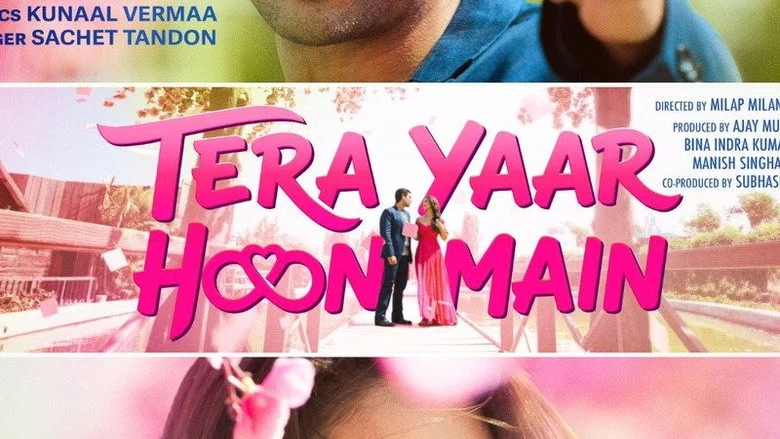
For a more tightly wound portrayal of lone figures against broken systems, see how Tera Yaar review despite weak payoffs.
And if narrative grip is what you crave, Odyssey verdict offers a masterclass in holding a fraying script together.
Ankit Jaiswal is the Chief Author, covering Indian cinema and OTT releases with honest, no-filler criticism. An SEO strategist by background, he brings a research-driven approach to film writing, cutting through hype to tell you exactly what's worth your time.