Skydance Warns Warner Bros. Q4 Film Slate Could Cut Profit by $200 Million
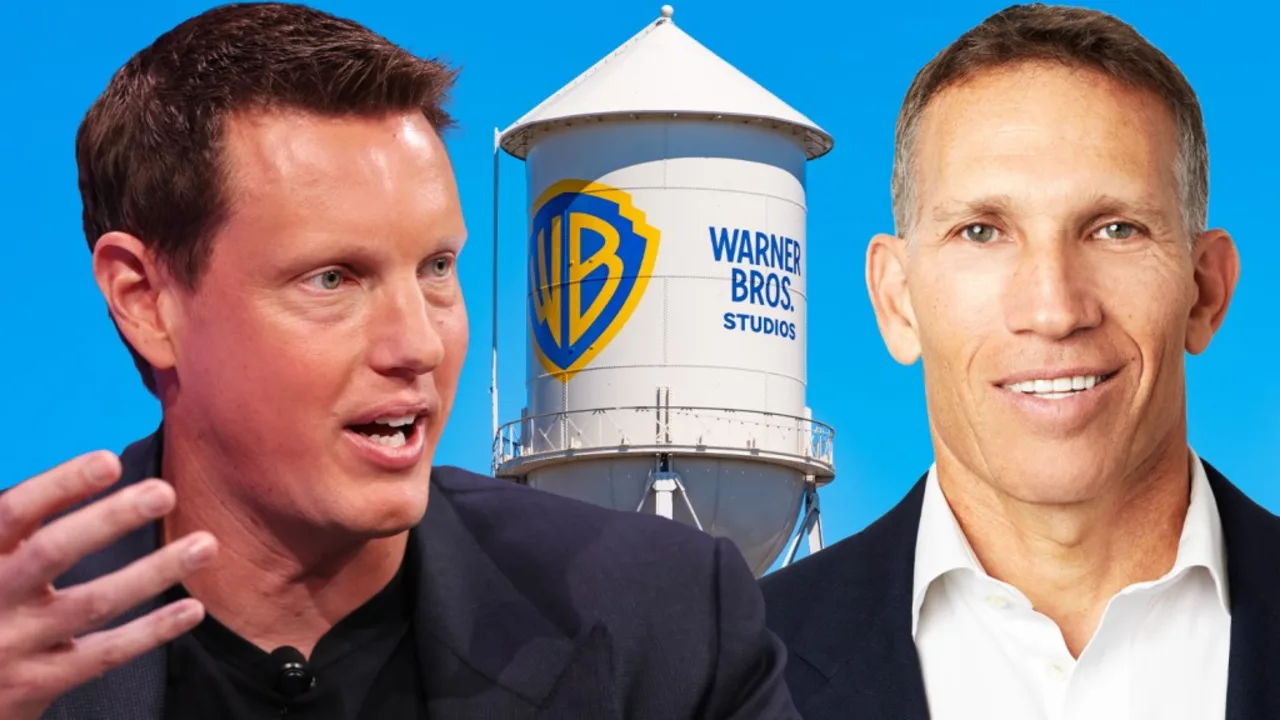
- The Scoop: Skydance management told investors Warner Bros.’ fourth-quarter film slate will underperform, denting expected profit by up to $200 million.
- The Playbook: David Ellison and Ynon Kreiz are importing the Paramount model, earlier testing, data-driven marketing, and tighter greenlight discipline.
- The Stakes: The warning lands barely weeks after the October 6 acquisition close, with a $6 billion run-rate cost-reduction target riding on the integration.
Skydance has told investors that Warner Bros.’ fourth-quarter film slate will underperform expectations, a shortfall management pegs at up to $200 million in lost profit.
The warning, issued in the company’s Q3 earnings communication, lands just weeks after the October 6 close of the Warner Bros. Discovery acquisition.
A $200 Million Admission Weeks After the Merger Close
This is not a creative note leaked from a screening room. It is a balance-sheet correction delivered to Wall Street while the integration is still wet behind the ears.
Skydance CEO David Ellison and co-CEO Ynon Kreiz wrote plainly that the Warner Bros. film slate would “underperform” expectations in the fourth quarter, converting a soft theatrical run into a hard earnings revision.
The only title the reporting pins to the damage is Tom Cruise’s Warner Bros. release Digger, which finished fifth in its U.S. and Canadian opening weekend in October.
One underperforming title does not absorb a $200 million hole on its own, so the shortfall reads as a slate-wide verdict rather than a single-film autopsy.
Ellison’s Paramount Playbook: Test Earlier, Spend Sharper
The remedy Ellison and Kreiz are prescribing is the operating system they ran at Paramount, now aimed squarely at Burbank’s release machinery.
“We are applying the playbook we ran at Paramount: testing earlier, tailoring our marketing and release strategy to the size of each opportunity, enhanced with real-time market data, and strengthening the slate we greenlight.”
That language is a direct challenge to how Warner Bros. has historically sized its P&A spend and timed its tentpoles.
Marketing outlays calibrated to real-time audience data, rather than locked in months ahead of release, would rewrite the studio’s entire campaign calendar.
The same discipline is already showing results on the Paramount side, where the 2026 film slate is tracking roughly $500 million more profit than its 2025 mix.
Six Billion Reasons the Integration Cannot Stumble
Skydance is chasing at least $6 billion in run-rate cost reductions across three years, a target that makes every theatrical miss a line item in the merger math.
A $200 million swing in one quarter is precisely the kind of variance that forces harder calls on output volume, marketing ceilings, and which greenlit projects survive.
The theatrical calendar offers no cushion either, with the fourth-quarter corridor already crowded by rival wide releases competing for the same holiday footfall.
For a newly merged studio still proving its thesis to investors, the difference between a $200 million miss and a hit rests on release-date discipline and campaign efficiency, monitored across our trade entertainment wire desk.
The pressure now sits on Warner Bros.’ upcoming theatrical bets to deliver, much as contemporary war release Operation Sindoor tested audience appetite for event-scale cinema this season.
Every weekend of underperformance compounds the integration bill, and Ellison has made clear he intends to answer it with data, not sentiment.